


PROJECT EVEREST

8.848 m 8.848 m 8.848 m

PROJECT EVEREST 2027

The Peruvian Andean Relief Association (S.A.P.)—with its own rescue team, international cooperation, and real-world experience in the Cordillera Blanca, Huayhuash, the Cusco and Arequipa regions, as well as in all three regions of Peru: coast, highlands, and jungle—presents a coherent, legitimate, and technically sound project.

This is not a “trip to Everest.”

It is an institutional program of training, research, and international cooperation in high-altitude and extreme environment rescue, with a clearly defined sporting and scientific objective: the Everest 2027 Project.

Advanced Technical Training
Investigation
International Cooperation

PROJECT EVEREST High Altitude Rescue & Training Project

The Peruvian Andean Rescue Association (S.A.P.) is a group specializing in high-altitude rescue.

The EVEREST 2027 project is an official initiative of the Peruvian Andean Rescue Association (S.A.P.), created to strengthen the technical, operational, and human capabilities of its high-altitude rescue teams through a training, exchange, and international cooperation program in the Himalayan region of Nepal.

This project combines three fundamental pillars:

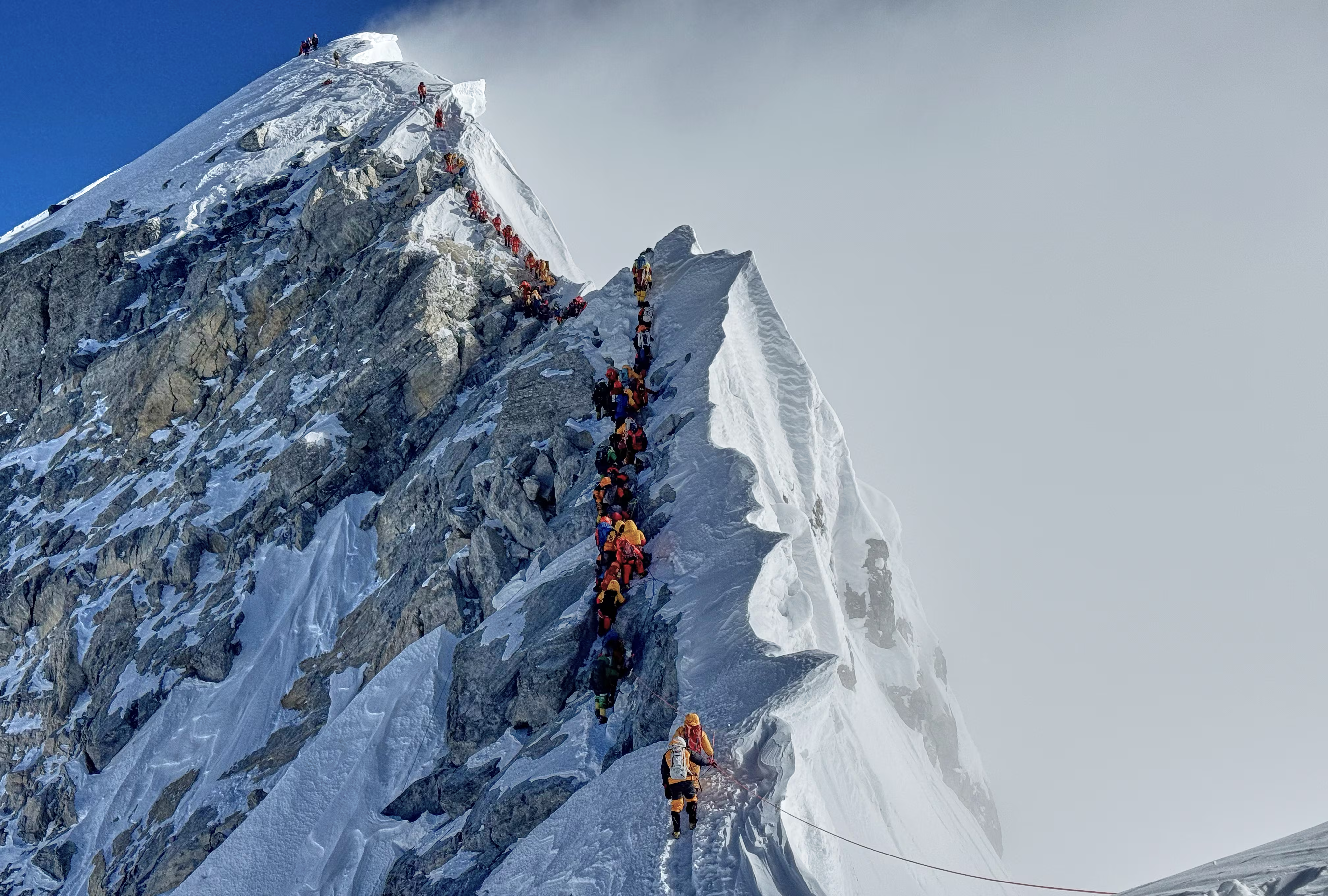
Advanced technical training, professional exchange with Sherpa rescuers, and a high-altitude expedition to Mount Everest (8,848 m), the highest peak on Earth.

The main objective of Project Everest 2027

To raise the technical and operational level of the High Mountain Rescue Corps of the Peruvian Andean Relief Association S.A.P, preparing it to operate in extreme mountain scenarios, including the 14 eight-thousanders of the world.

Through this project, the Peruvian Andean Relief Association (S.A.P.) seeks to acquire direct and specialized experience in:

Rescue at extreme altitudes

Above 7,000 and 8,000 meters, including operations in environments of severe hypoxia and critical weather conditions.

Risk management in the “death zone”

Decision making under pressure, assessment of ice stability, seracs, avalanches and objective hazards typical of extreme high mountain environments.

Comprehensive logistics for expeditions in extreme conditions

Planning of high-altitude camps, ascent and evacuation routes, management of human and technical resources in remote environments.
Advanced use of supplemental oxygen

Fixed ropes, vertical rescue techniques, ice evacuation, glaciers, crevasses and technical areas with seracs.

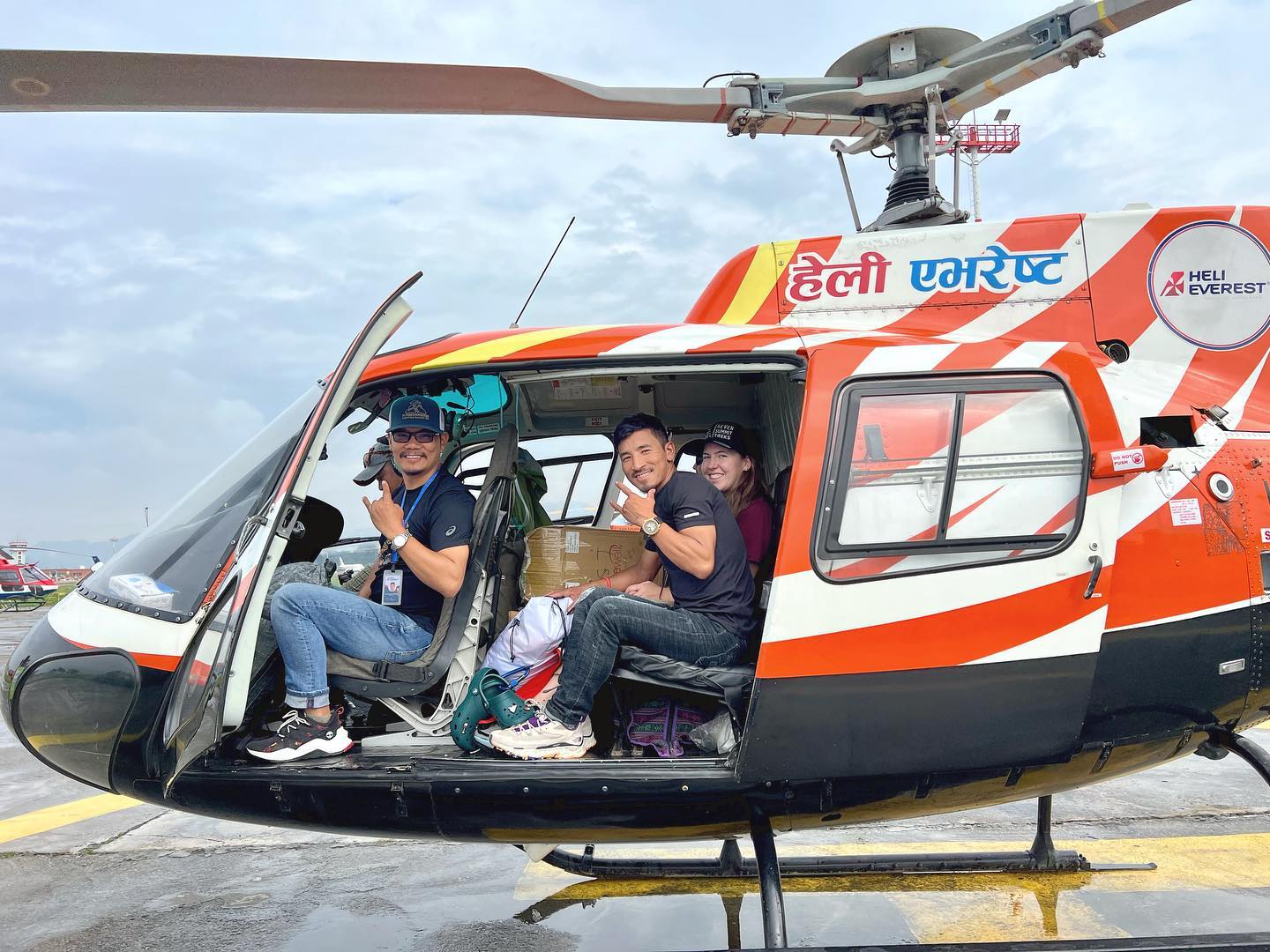
High mountain helicopter rescue

Air-ground coordination in extreme scenarios, selection and evaluation of high-altitude landing zones, long-line hoisting and air evacuation operations, safety protocols for aeromedical rescue, integration of the helicopter as a key tool in rescues above 6,000 m

Operational coordination with local Himalayan rescue teams

High-altitude helicopter pilots, expedition doctors, and rescue sherpas, strengthening the exchange of knowledge between the Andes and the Himalayas.

EXCLUSIVE COLLECTION

7 SUMMITS CLUB

Conquer the roof of the world. A legendary expedition to the seven highest peaks on each continent, led by the mastery of Russian mountain guides.

07

Peaks

07

Continents

01

Legend

Why Nepal and Everest?

Nepal is the world’s center for extreme mountaineering and high-altitude rescue, where the most complex and demanding rescue operations on the planet take place. The conditions of the Himalayas—extreme altitudes, unpredictable weather, unstable glacial terrain, and long exposure times—make this region the greatest real-world laboratory for mountain rescue.

Himalayan Sherpa rescuers are internationally recognized as the most experienced professionals in the world

Rescues above 7,000 and 8,000 meters

In environments of severe hypoxia and in the so-called death zone.

Technical operations at the Khumbu Icefall

One of the most dangerous environments in world mountaineering, with rescues in deep crevasses, ladder bridges, moving ice and constant collapses.

Extreme vertical rescue

Use of fixed ropes, anchors in ice and rock, evacuations on technical walls, corridors and mixed areas.

Evacuations in avalanche zones

Serac collapses and ice avalanches, with immediate response and work in high-risk scenarios.

Rescue logistics with supplemental oxygen

Bottle handling, regulation systems, care of victims with high altitude cerebral and pulmonary edema (HACE and HAPE).

Coordination with multidisciplinary teams

Integrating rescue sherpas, high-altitude helicopter pilots, expedition doctors, and specialized logistics operators.

High mountain helicopter rescues

High-altitude aeromedical evacuations

Longline operations and hoisting in areas without landing zones

Victim extraction on walls, glaciers and exposed ridges

Air-ground coordination in extreme weather conditions