

The Everest 2027 Project is primarily composed of active rescue brigade members from the High Mountain Rescue Corps of the Asociación Socorro Andino Peruano (S.A.P.), selected through a rigorous internal process that evaluates experience, physical condition, technical skills, and psychological resilience to operate in extreme mountain environments.
This is not a commercial or tourist trip. It is an institutional, technical, and educational project, focused on developing real rescue and operational capabilities at extreme altitudes, including scenarios above 8,000 meters.
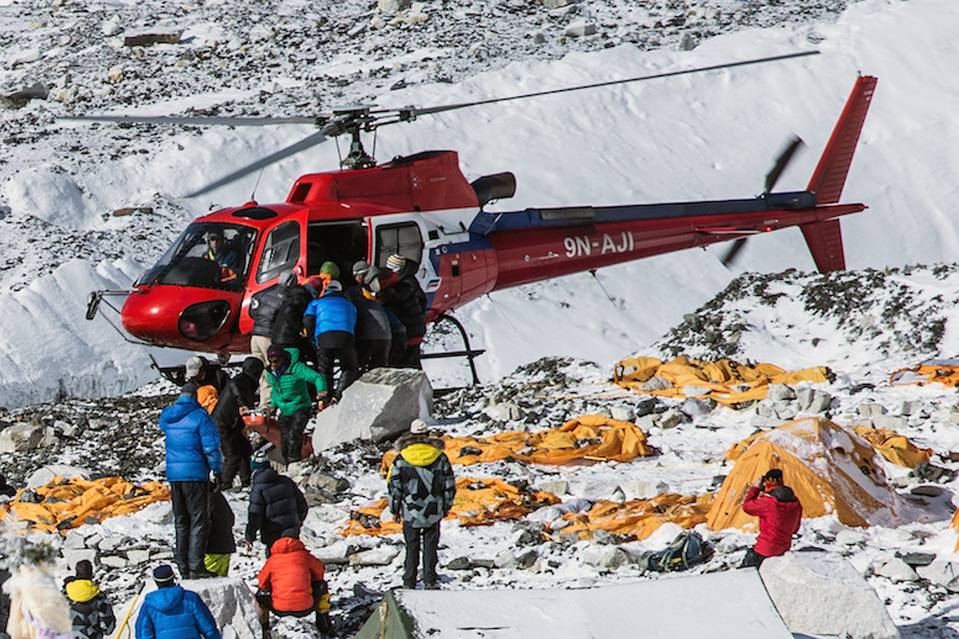
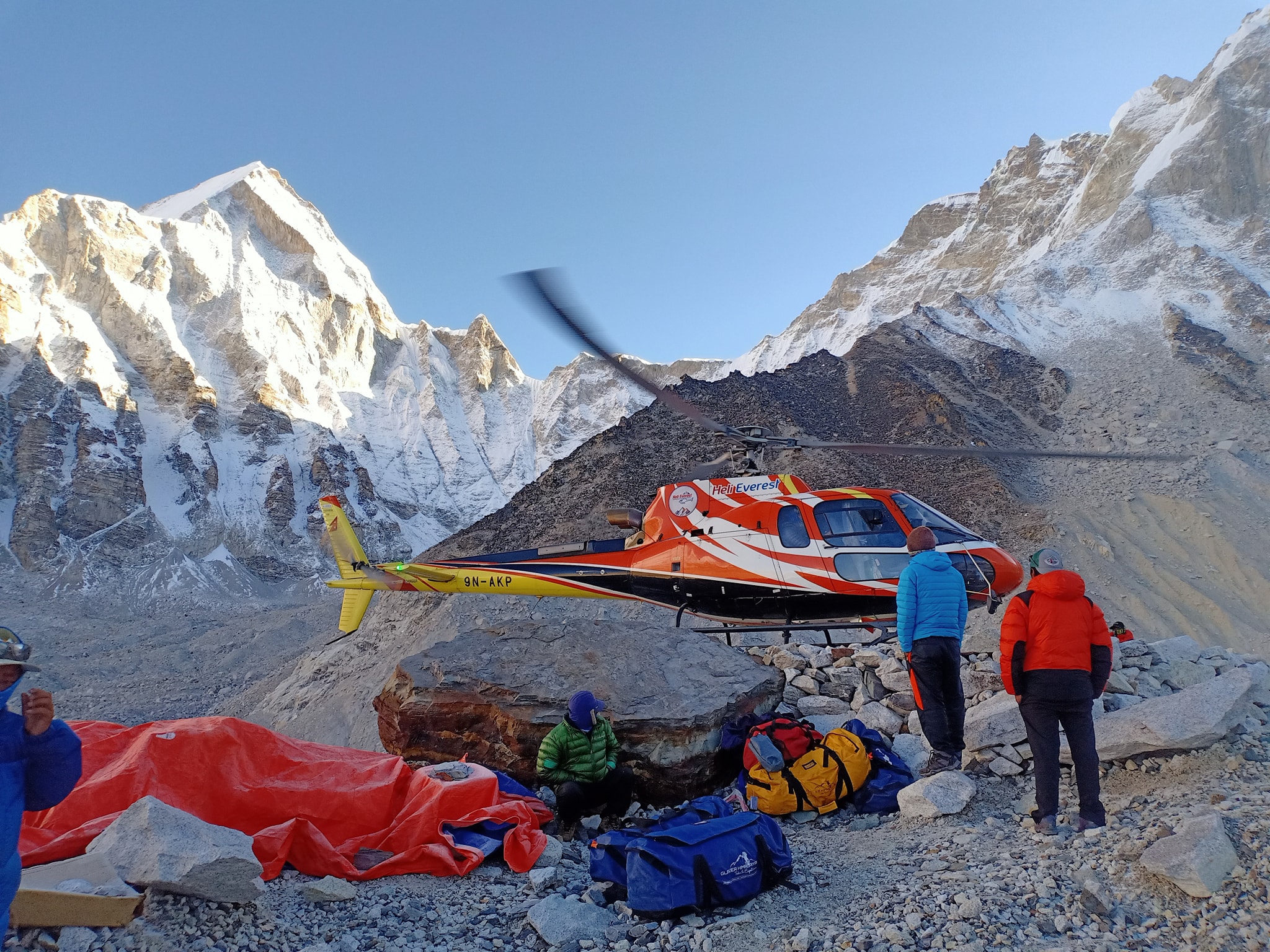
EVEREST 2027 does not seek to add people, but to add real experience. Each member of the project must be capable of operating autonomously, responsibly, and safely under extreme conditions.
This project is designed for those who already possess a solid background in high-altitude mountaineering and wish to be part of a serious process of training, international cooperation, and knowledge transfer in extreme rescue.
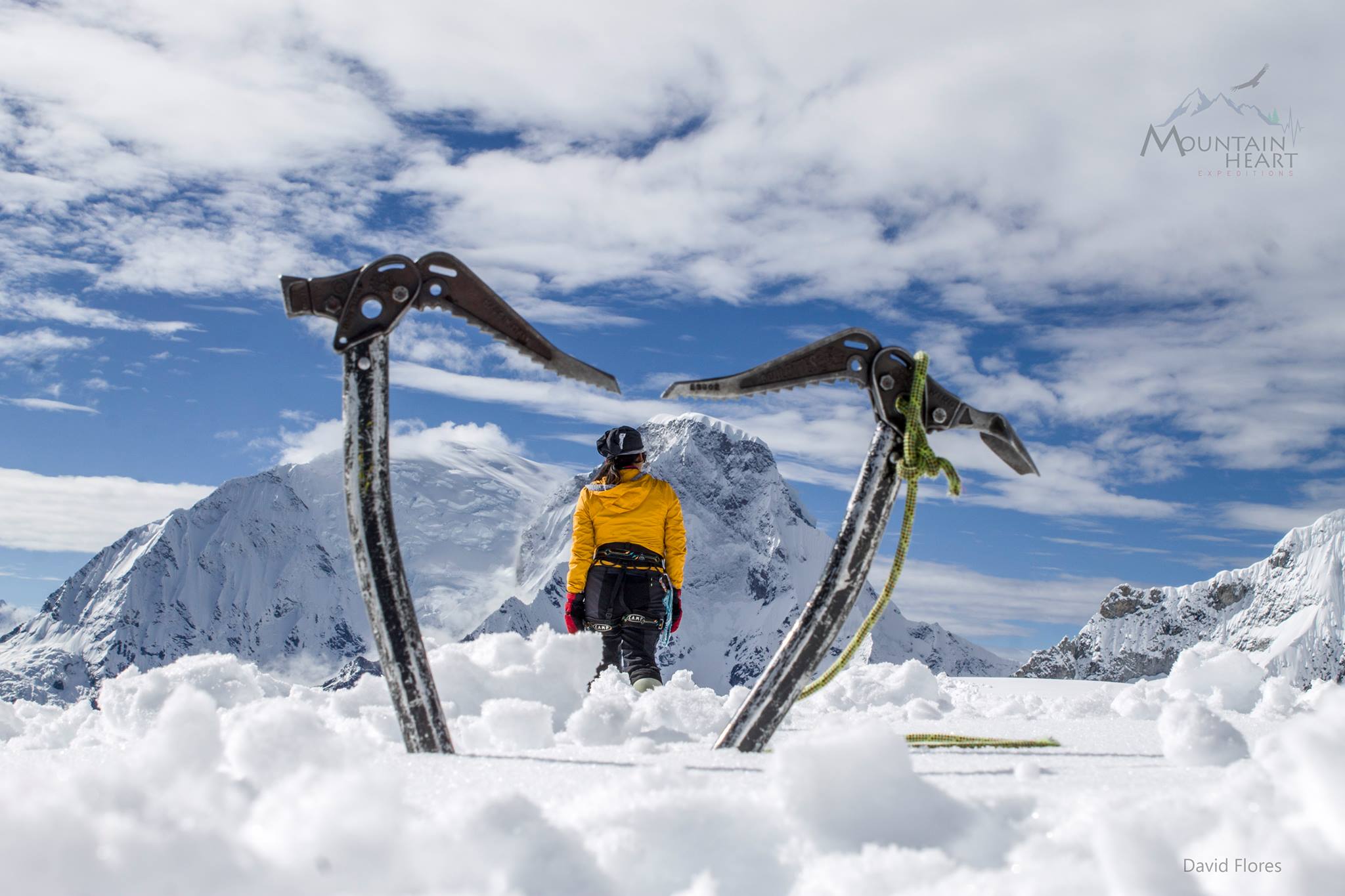

The Everest 2027 Project positions Socorro Andino Peruano (S.A.P.) as one of the very few high-altitude rescue organizations in South America with direct and proven experience on mountains over 8,000 meters.
This experience places Peru at a technical level comparable to leading countries in high-altitude rescue, opening up opportunities for:
The true objective is to save lives in the world’s most challenging and extreme mountains. EVEREST 2027 represents a historic project of training, experience, and commitment to high-altitude rescue.
The expedition to the roof of the world is not about seeking the limelight or breaking records, but about acquiring real-world knowledge in extreme scenarios, where mistakes are not an option and every decision can mean the difference between life and death.
The experience gained in the Himalayas will allow the rescuers of the Peruvian Andean Rescue Team (S.A.P.) to be better prepared to face complex accidents, technical rescues, and extreme emergencies in the Andes of Peru and South America, especially in hard-to-reach areas and at high altitudes.
EVEREST 2027 is a strategic and visionary step that strengthens the operational capacity of Andean rescue, raises mountain safety standards, and leaves a legacy of knowledge that will benefit mountaineers, international expeditions, and local communities. This project doesn’t end at the summit. It begins where others can no longer reach.
The Everest 2027 Project represents a historic milestone for high-altitude rescue in Peru and a qualitative leap in the country's operational capacity in the face of emergencies in extreme environments.
This project will allow Peru to have: