The 14 EightThousanders

Makalu

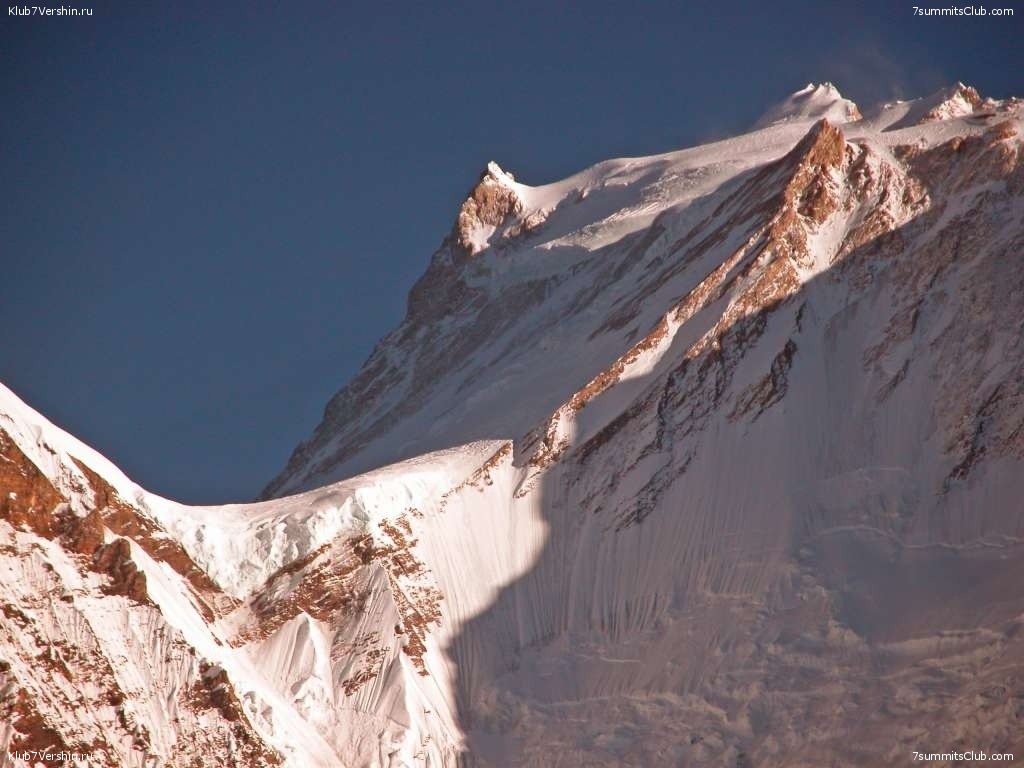
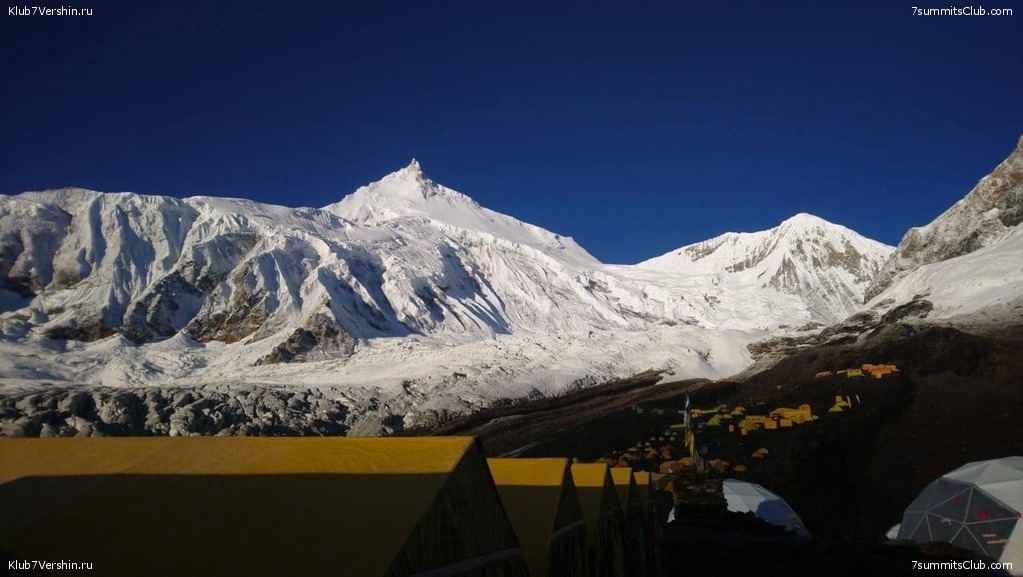
Makalu, an isolated peak whose shape is a four-sided pyramid, is the fifth highest mountain in the world at 8,485 m (27,838 ft).

Country

Nepal

Peak name

Mt. Makalu

Duration

50 days

Route

NW Ridge

Range

5

Coordinates

27°53'24"N 87°05'18"E

Weather reports

Live weather report

Range

Kumbhakarna Range

Trip summary

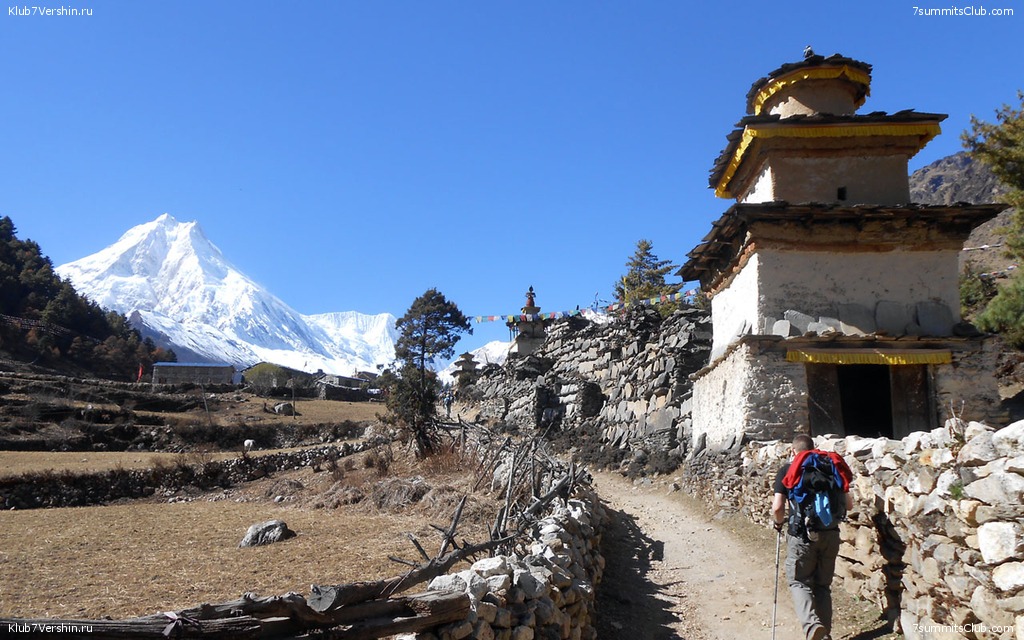
Makalu, It is the fifth highest mountain in the world, with an altitude of 8,485 meters (27,838 feet) above sea level. It is located in the Himalayas, on the border between Nepal and China. Mount Makalu is known for its isolated location and its distinctive pyramidal peak, which makes it a visually striking mountain. At the base of Mount Makalu lies a natural wonder: the Barun Valley. This valley is home to breathtaking waterfalls cascading into deep gorges, diverse flora and fauna, and the rich cultures of ethnic communities such as the Sherpas and Kirat. Although this area is somewhat isolated, every step you take here will undoubtedly create a lifelong memory.

Mount Makalu was first summited on May 15, 1955, by a French team consisting of Lionel Terray and Jean Couzy, led by Jean Franco. The team ascended the mountain via the northeast ridge, the most common route to the summit. Since the first ascent, there have been several successful attempts. The southeast and northwest ridges are the most prominent. Of these two, the northwest ridge route is the one most commonly used by climbers to reach the summit. The expedition to Mount Makalu in Nepal is fraught with adventure and danger. The Russian team climbed the western route, considered the most dangerous, in 1997. They reached the summit on May 21, 1997, following the most challenging route.

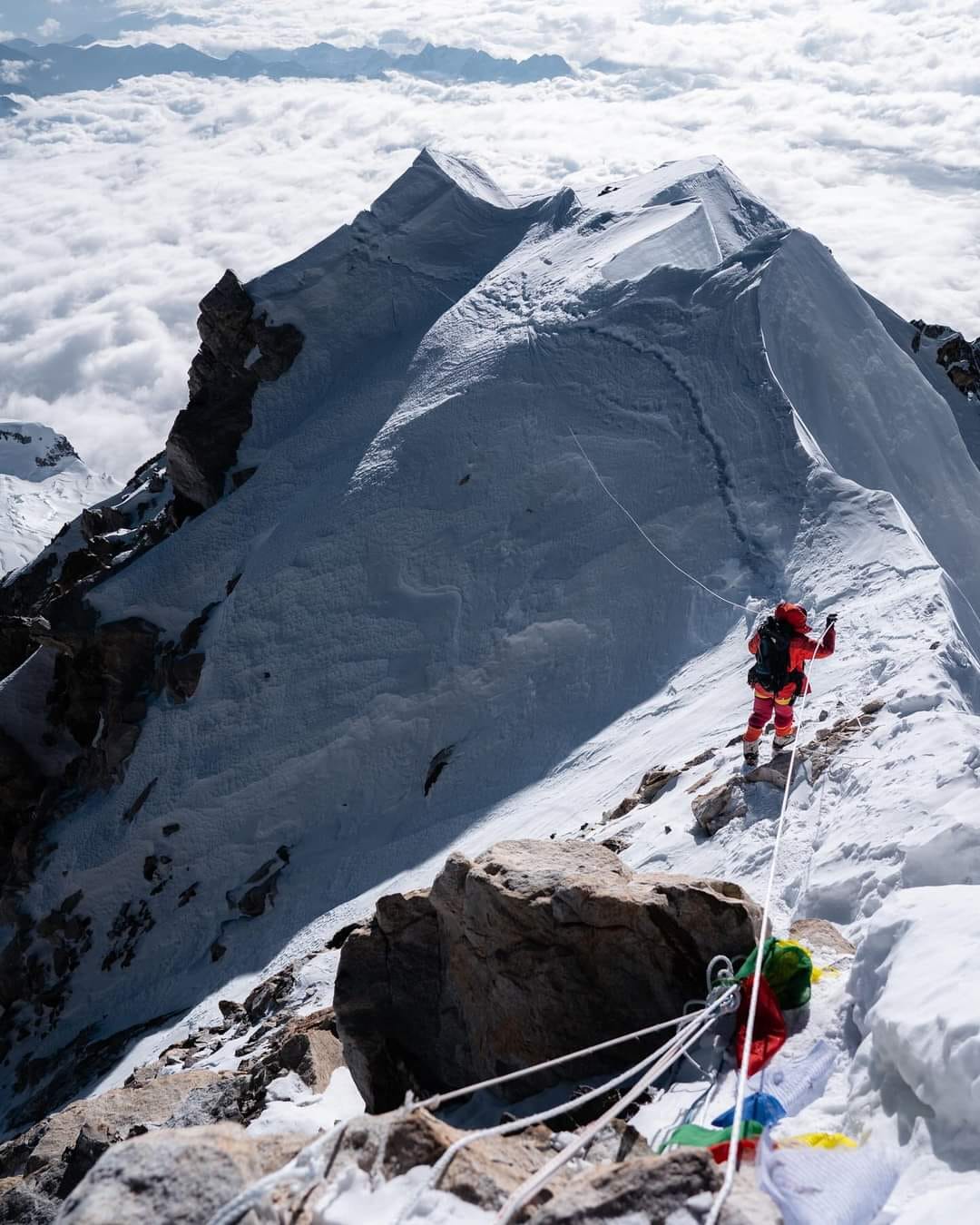
Climbing Makalu is a considerable challenge that requires a high level of physical fitness, technical climbing skills, and mental fortitude. The mountain is known for its steep and challenging northeast ridge route, and the thin air and extreme altitude make it a demanding climb. However, for those who can and are willing to take on the challenge, the experience of standing on the summit of Mount Makalu can be extremely rewarding. The Makalu Seven Summits Expedition will begin the second week of April from Kathmandu. You will have a couple of days to prepare your equipment and documentation. Afterward, you will fly to Tumlingtar and drive to Num. From here, you will begin your trek to Makalu Base Camp. This trip is ideal for those with experience climbing peaks of 7,000 meters or higher. We will rotate frequently between camps for optimal acclimatization. The advanced base camp is typically at 5,600 m/18,372 ft, Camp I at 6,100 m/20,013 ft, Camp II at 6,500 m/21,325 ft, Camp III at 7,400 m/24,278 ft, Camp IV at 7,800 m/25,590 ft, and the summit at 8,485 m/27,838 ft.
WHY CLIMB MOUNT Makalu WITH SEVEN SUMMIT EXCURSIONS?

  • Highly qualified, professional, friendly, and experienced Sherpa climbing guide, kitchen staff, and base camp manager.
  • We have complete climbing equipment and logistical support for base camp and the upper camps.
  • Safety is our top priority, and we take all necessary measures to minimize risks and ensure the well-being of our clients.
  • We offer a variety of itineraries to suit different levels and interests, so you can choose the option that best suits your needs.
  • State-of-the-art weather forecasting and communication technology.
  • Helicopter hire service available when needed (at an additional cost). One Sherpa climbing guide per member.

“We look forward to serving you and sharing our experience with you”

More Information

Base Camp (5600 m/18,372 ft)

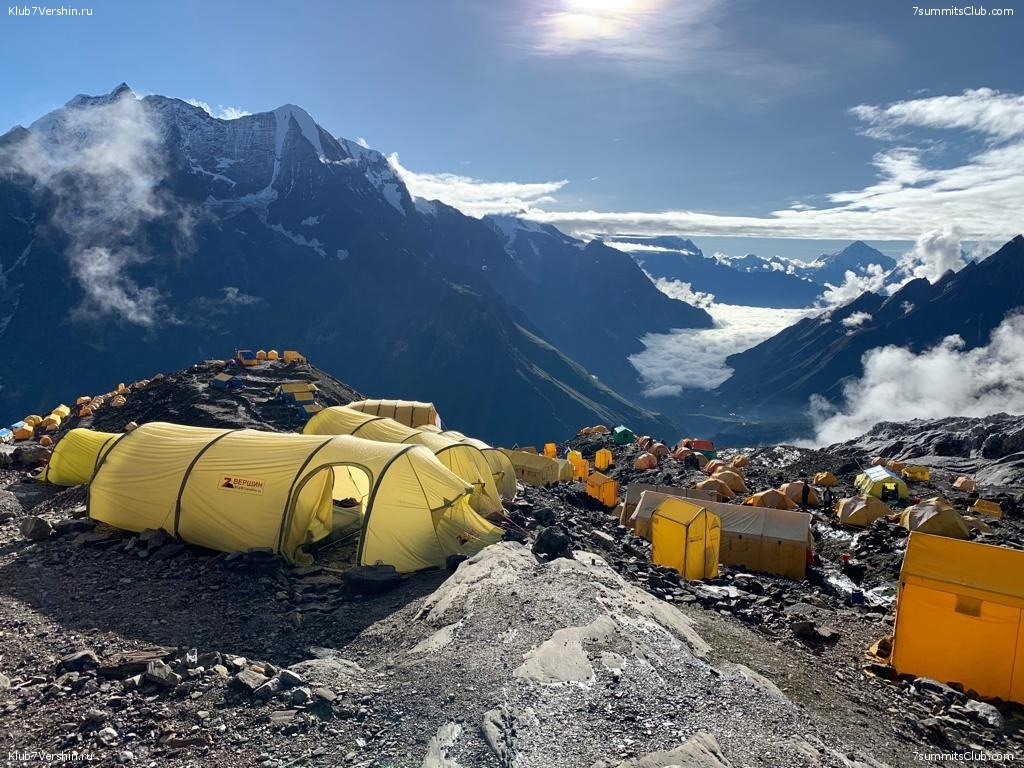
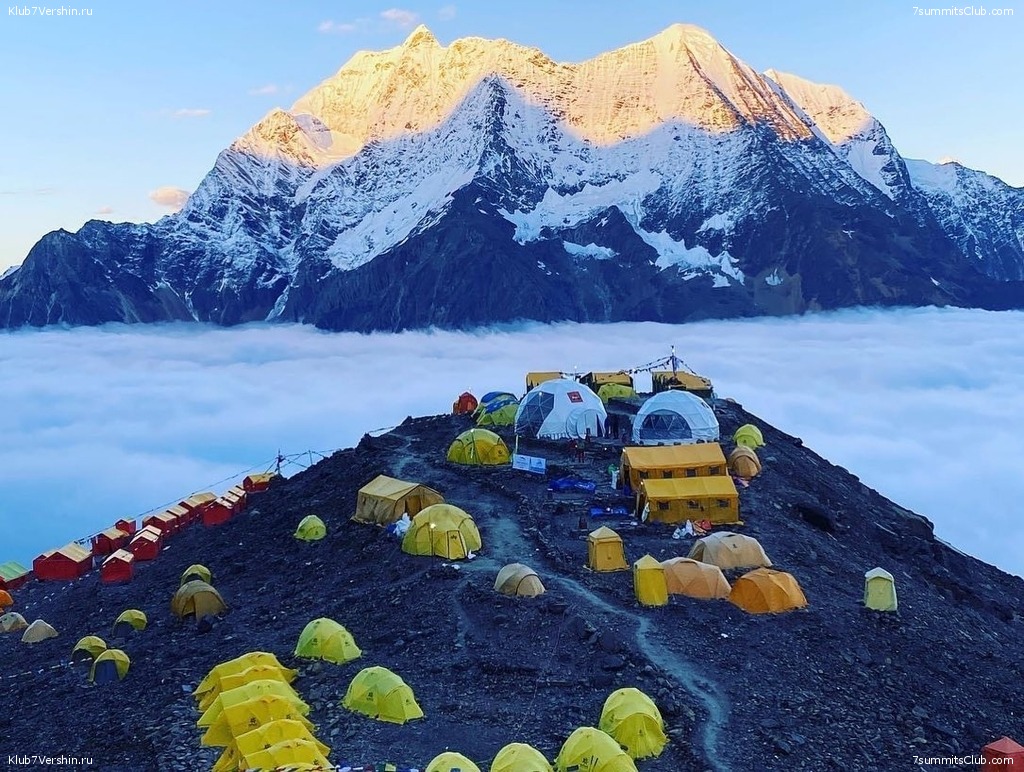
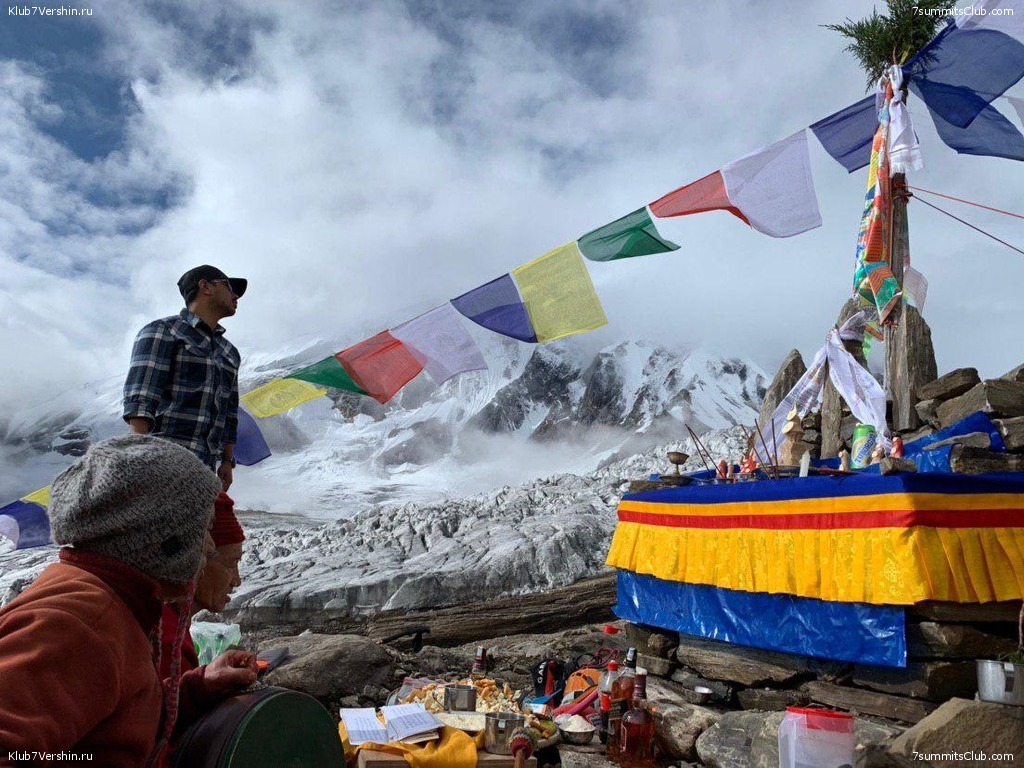
Scenic flight to Tumlingtar, drive to Num, and trek to the Makalu Base Camp (4870 m), with magnificent views of the Himalayan range. There, our best Sherpa team will be waiting for you. Seven Summit boasts the best base camp. You will spend approximately one month at base camp. Each member will have an individual tent, and there are also tents with a dining area, kitchen, showers, communication facilities, and toilets. Before ascending, we will hold a large ceromancy puja at base camp to wish for good luck and a safe climb. Seven Summits offers frequent helicopter charter flights to Base Camp (ABC), and each charter flight carries plenty of fresh vegetables, fresh meat, drinks, and sometimes bread.

Camp I (6100 m/20,013 ft)

Once at Base Camp (ABC), your personal Sherpa climber or team leader will review the base and advanced training at Base Camp. You will then ascend to Camp I. For better acclimatization, once the Sherpa team has fixed the rope, you will ascend to Camp I, which is at an altitude of 6100 m. On this section of the climb, you will encounter mixed terrain with a few crevasses and ice on the glacier section. This will take you between 4 and 5 hours of climbing. We will have frequent rotations at Camp I and back to Base Camp.

Camp II (6500 m/21,325 ft)

The climb from Camp I to Camp II is an intermediate ice section with some mixed climbing sections. In this section, there are some rock sections and a glacier, and the central part of the glacier is somewhat technical, but there will be fixed ropes throughout. The duration will be 4 to 5 hours.

Camp III (7400 m/24,278,215 ft)

The climb from Camp II to Camp III is a fairly long distance. The climb will only take 5 to 6 hours.

It’s a long section, though easier. The climbing sherpa and fixed rope will be available for safe climbing.

Camp IV (7800 m/25,590 ft)

The climb to Camp IV is short, but there are crevasses, so caution is advised due to the altitude and low oxygen levels.

Summit (8485 m/27,838 ft)

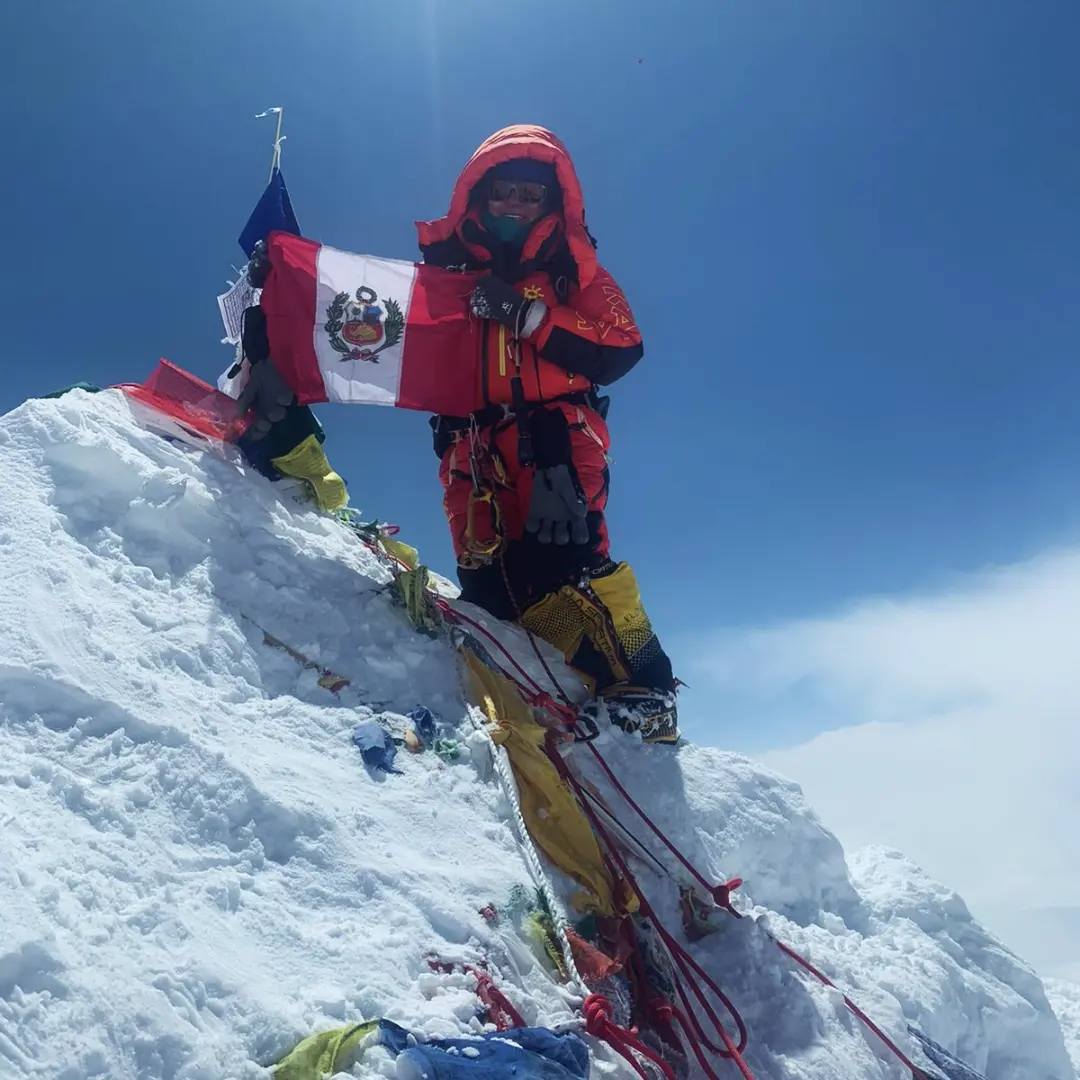
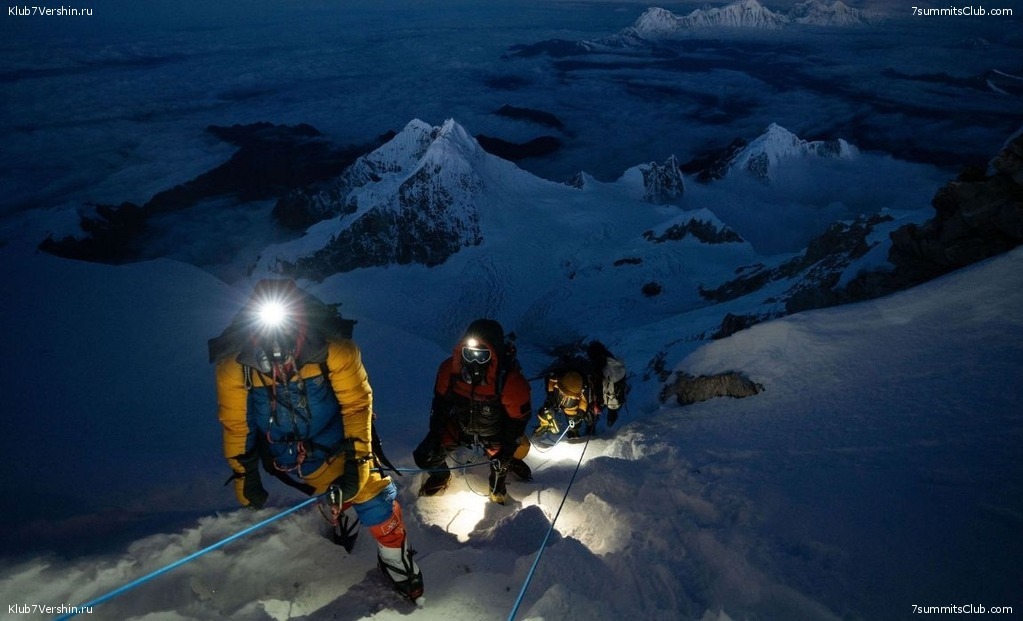
The most important day is summit day. It’s the main goal for all climbers. It’s a day climbers dream of. Most climbers begin their ascent to the summit late at night and will hike for approximately 7 to 8 hours, reaching the top around 8-10 am. The summit of Mount Makalu is breathtaking. You will be mesmerized by the stunning views of various 8,000-meter peaks. On the same day, after taking some photos, you will hike down to Camp III or Camp II, which will take about 5 to 6 hours. Descending from the summit is also a challenging part of this expedition, so a safe descent is a crucial aspect of summit day. Seven Summit Treks will have a Sherpa climber accompanying each member from Camp IV to summit day and back to base camp. The SST guide will carry an oxygen cylinder for themselves and the team members. For a safe summit of Mount Makalu, SST will always provide guidance on the best weather forecast, communication, and follow-up support from the base camp leader. Fixing ropes to reach the summit is the main task of our climbing sherpa, so we greatly admire our sherpa for fixing ropes, opening trails, and making every effort to ensure the group reaches the summit of Mount Makalu.

Maximum elevation:

8,485m / 27,838ft

Walking per day:

5-6 hours

Accommodation:

Hotel + Lodge + Tent

Best season:

Spring/Autumn

Group size:

2 - 15 PEOPLE

Itinerary

Expedition Log

MAKALU 2026

Arrival in Kathmandu and transfer to the hotel by our staff.
Hotel
Rest day in Kathmandu. Official expedition briefing and final equipment preparations.
B / D Hotel
Flight from Kathmandu to Tumlingtar and transfer by vehicle to the village of Num.
B / L / D Lodge
Start of the trek, descending to the Arun River and then ascending toward Seduwa.
B / L / D Lodge
Trek through cultivated fields and forests to the last permanent settlement, Tashi Gaun.
B / L / D Lodge
Acclimatization rest day before the steep ascents that follow.
B / L / D Lodge
Challenging ascent through rhododendron forests to Khongma.
B / L / D Lodge
Trek crossing Shipton La Pass to the camp at Dobato.
B / L / D Lodge
Descent to the Barun River valley, reaching Yangle Kharka.
B / L / D Lodge
Ascending trek through the Barun Valley to the pastures of Langmale Kharka.
B / L / D Lodge
Trek to the Lower Base Camp and initial acclimatization in the area.
B / L / D Tent
First rest day and active acclimatization at the Lower Base Camp.
B / L / D Tent
Second rest day to ensure proper altitude acclimatization.
B / L / D Tent
Final ascent from the Lower Base Camp to the Main Base Camp (Advanced Base).
B / L / D Tent
Acclimatization cycles and establishment of camps: [Base Camp – Rotation (Camp I, Camp II, and Camp III) – Base Camp].
Full Board High-Altitude Camps
Summit window: [Base Camp – Summit of Mount Makalu (8,485m) – Return to Base Camp].
Full Board Summit
Dismantling of the camp and preparation of loads for the descent.
B / L / D Tent
Descent on foot from Base Camp to Yangle Kharka.
B / L / D Lodge
Continuation of the trek returning to Khongma.
B / L / D Lodge
Trek descending from Khongma to reach Seduwa.
B / L / D Lodge
Final stretch of trekking to Num, followed by vehicle transfer to Khandbari.
B / L / D Lodge
Transfer to Tumlingtar to catch the flight to Kathmandu. Transfer to the hotel.
Breakfast Hotel
Free day for rest, shopping, or sightseeing in Kathmandu.
Breakfast Hotel
Transfer to the International Airport for your departure. End of services.
Breakfast

Included

Cost Includes

Accommodation & Welcome

  • Kathmandu: 4 nights in a 4-star hotel (Single room, breakfast included).
  • Welcome Dinner: One dinner at a standard tourist restaurant in Kathmandu with the office team.
  • Cargo Handling: Assistance with Nepal customs clearance for expedition cargo (clearance costs subject to charges).
  • Map & Equipment: Trekking/climbing map and one official Seven Summit Treks duffle bag.

Permits & Official Logistics

  • Expedition Permit: Royalty and climbing permit issued by the Government of Nepal for Mt. Makalu.
  • National Park: Entry permit and fees for Makalu Barun National Park.
  • Liaison Officer: One government Liaison Officer (equipment, salary, and accommodation included).
  • Waste Management: Human waste disposal fees and garbage deposit.
  • Certificate: Summit certificate issued by MoCTCA upon successful ascent.

Transportation & Flights

  • Transfers: Airport – Hotel – Airport transfers by private vehicle.
  • Domestic Flights: Kathmandu – Tumlingtar (round trip) as per itinerary.
  • Ground Transportation: Tumlingtar to Num and return journey.
  • Expedition Cargo: Transportation of expedition equipment Kathmandu – Tumlingtar (air cargo/truck) and to Base Camp (porters). Return included.
  • Personal Baggage: Up to 60 kg per member carried by porters during the trek.

Meals & Base Camp

  • Full Board: Three meals daily (breakfast, lunch, dinner) with tea and coffee during the trek and at Base Camp.
  • Fresh Supplies: Green vegetables, fresh meat, fruits, soft drinks, and juices served regularly (supplied by helicopter).
  • Individual Tents: One individual “Box” tent per member at Base Camp with foam mattress and pillow.
  • Base Camp Infrastructure: Dining, kitchen, communication, toilet, shower, storage tents, tables, chairs, and full kitchen equipment.
  • Power & Heating: Solar panels and generator for device charging. Heaters in the dining tent and required camps.

Mountain Support & Staff

  • Personal Sherpa: One licensed, veteran Sherpa per member (1:1) throughout the climb and rotations.
  • Assistance: The Sherpa will assist in carrying your equipment to high camps.
  • Route Fixing: An experienced Sherpa team will fix the route on Makalu (no extra cost).
  • Base Camp Staff: Experienced cook and assistants. Includes salaries, equipment, food, and insurance for all Nepali staff.
  • Training: Base Camp training on oxygen use, mask, regulator, ice walls, and ladder crossing by a UIAGM guide.

Oxygen & High Altitude

  • Oxygen Bottles: Four (4L) bottles for the member and two bottles for the high-altitude Sherpa.
  • Oxygen System: One “Summit” mask and regulator set per member and Sherpa.
  • High-Altitude Logistics: Shared high-altitude tents (2:1), EPI gas, cooking pots, and high-altitude food (C1 to C4).
  • Backup: Spare oxygen, mask, and regulator available (subject to additional charges).

Communications & Safety

  • Safety: Satellite phone for emergencies (carried by the Sherpa) and walkie-talkie radios (Base Camp–Mountain) with permits.
  • Weather Reports: Regular forecasts from Meteotest (Switzerland) throughout the expedition.
  • Internet: Internet facility at Base Camp (subject to charges).
  • Medical: Comprehensive medical kit for members and staff.

Not included

Cost Excludes

International Flights

Airfare to and from Kathmandu.

Nepal Visa

Visa fee (USD $125 for 90 days).

Meals in the City

Lunches and dinners in Kathmandu (and in case of early return from the expedition).

Extra Nights

Additional accommodation in Kathmandu due to early arrival, late departure, or domestic flight cancellations.

Travel Insurance

Mandatory: Medical coverage, high-altitude rescue, aerial evacuation, and repatriation.

Personal Expenses

Phone calls, laundry, hot showers, alcoholic beverages, and soft drinks (outside Base Camp).

Personal Equipment

Technical clothing, personal climbing gear, personal first-aid kit, and toiletries.

Special Permits

Fees for professional filming, video cameras, or drone use.

Summit Bonus

Bonus for the climbing Sherpa: Minimum USD $1,500.

Tips (Gratuities)

Suggested for base camp and high-altitude staff: Minimum USD $350.
Dates

CONFIRMED DATES 2027
DURATION
STATUS
GROUP
ACTION
08 APR – 27 MAY 2027
50 DAYS
Applications Open
15 PAX Maximum Group
08 APR – 27 MAY 2027
50 DAYS
Applications Open
10 PAX Private Group

Map

Reviews

Leave a Reply

Your email address will not be published. Required fields are marked *