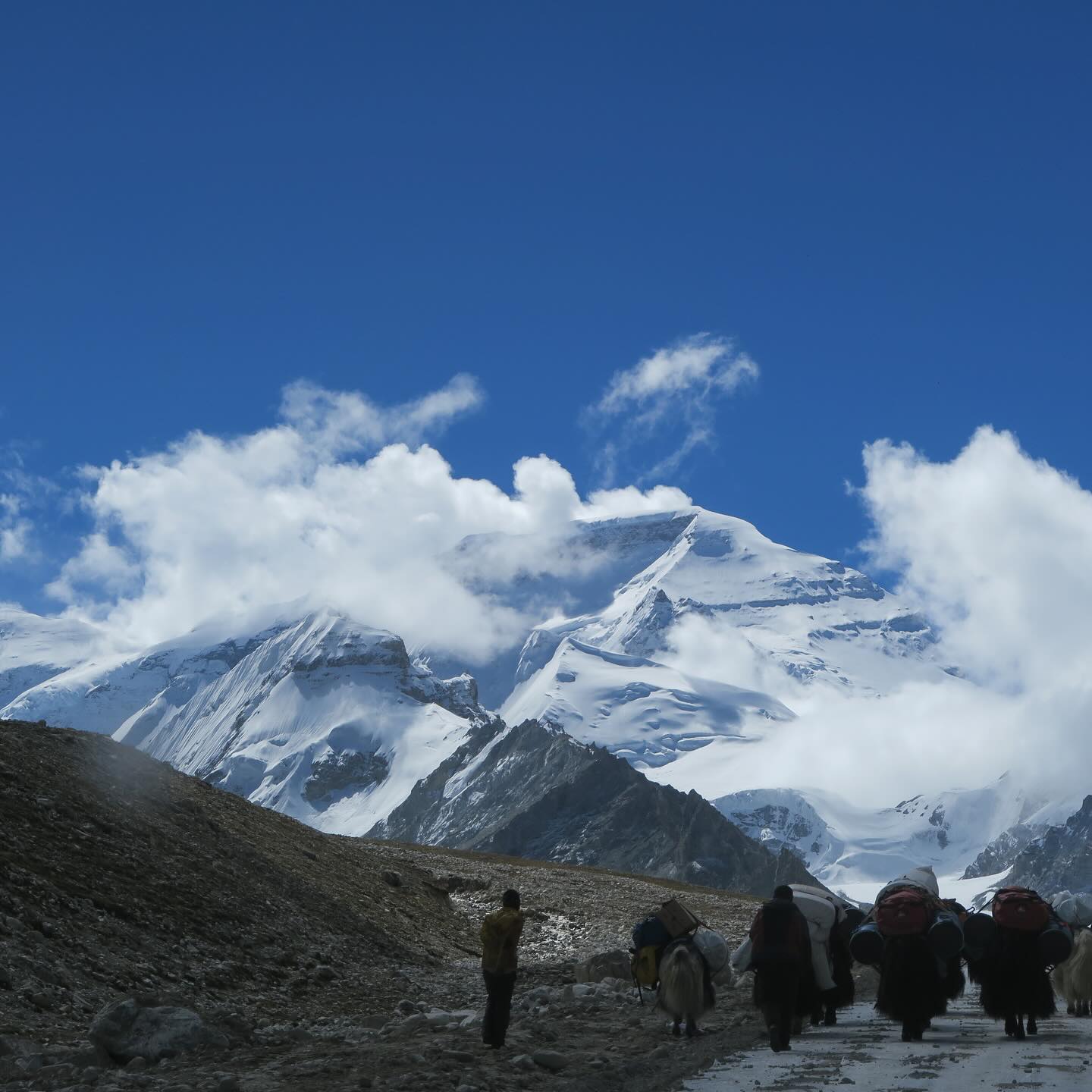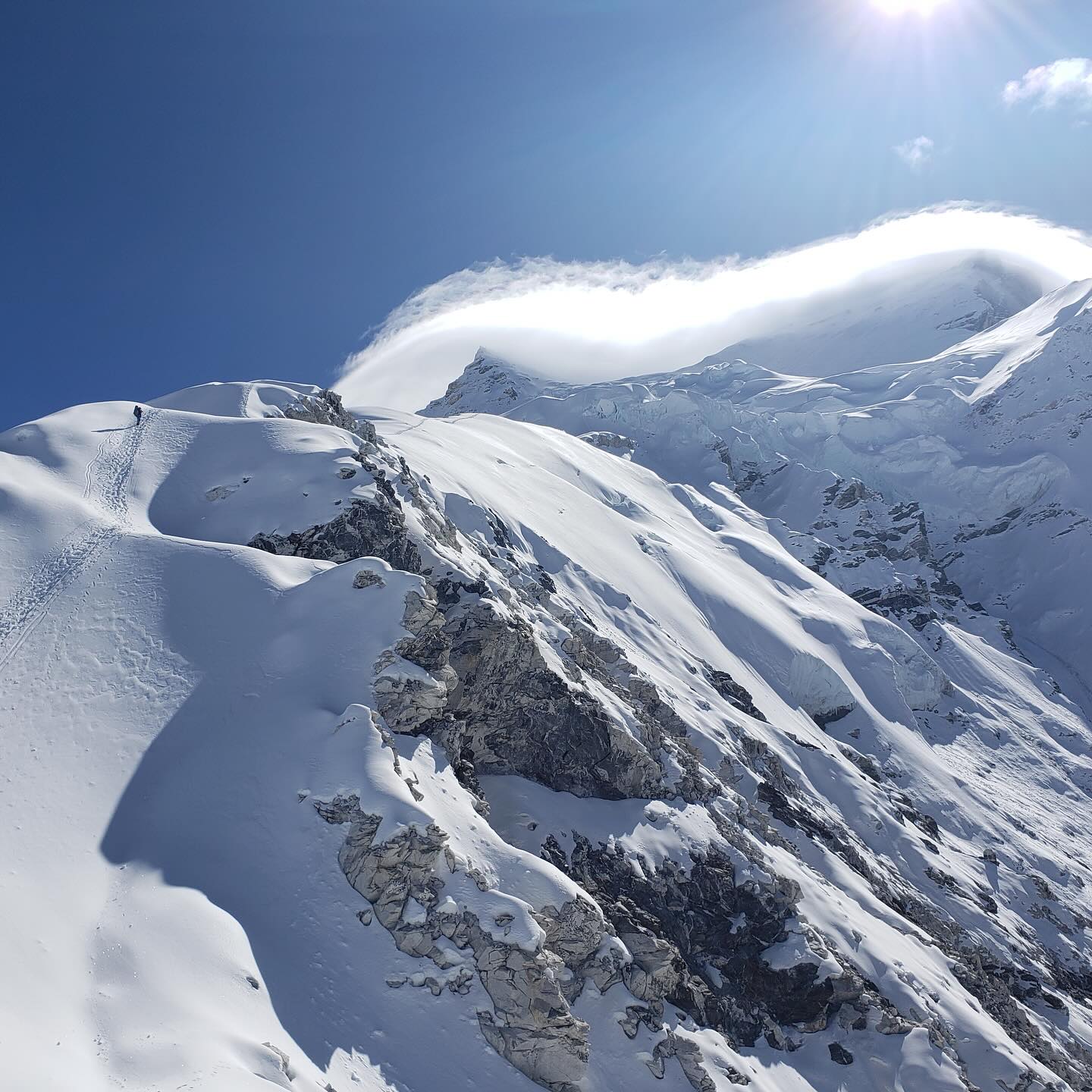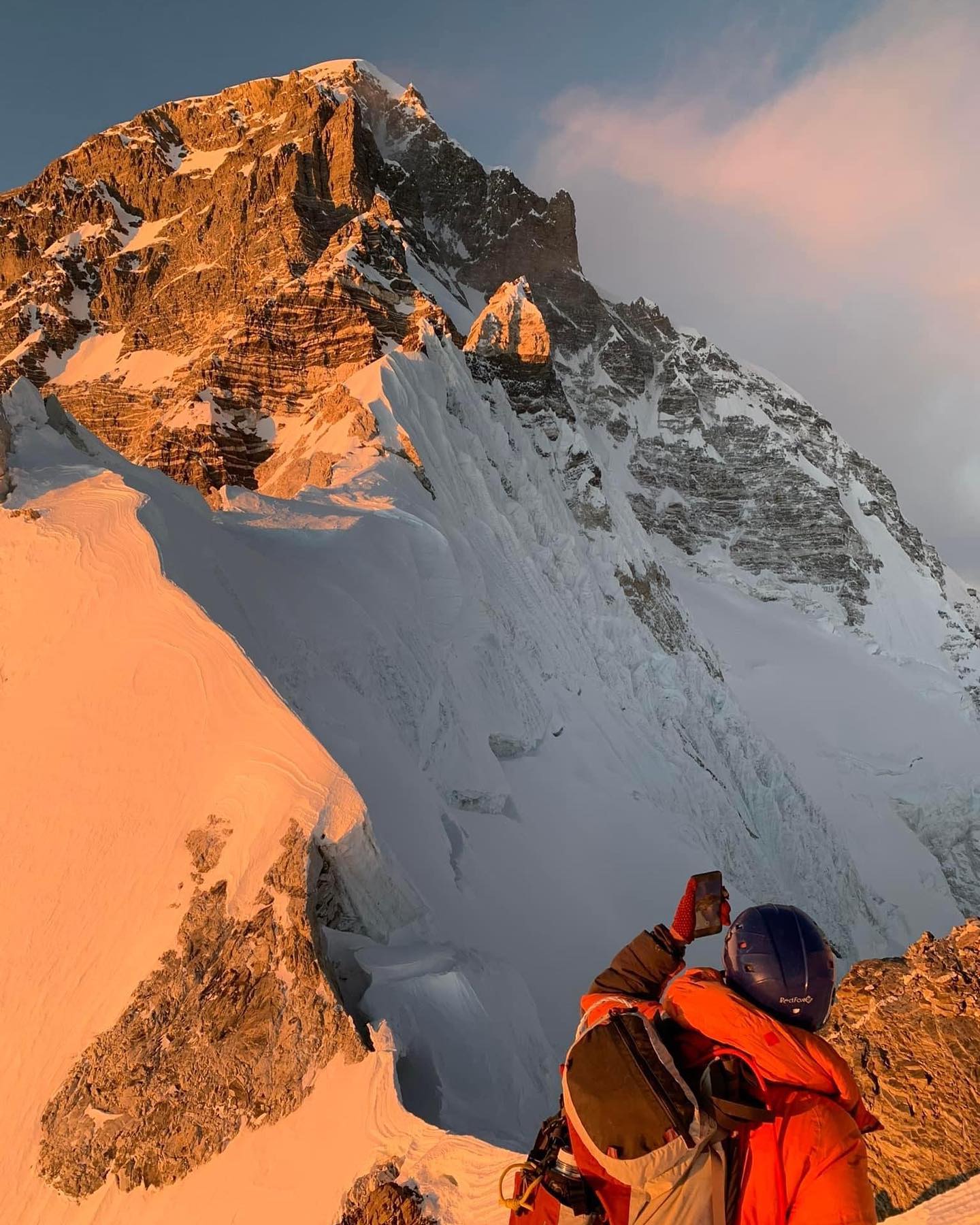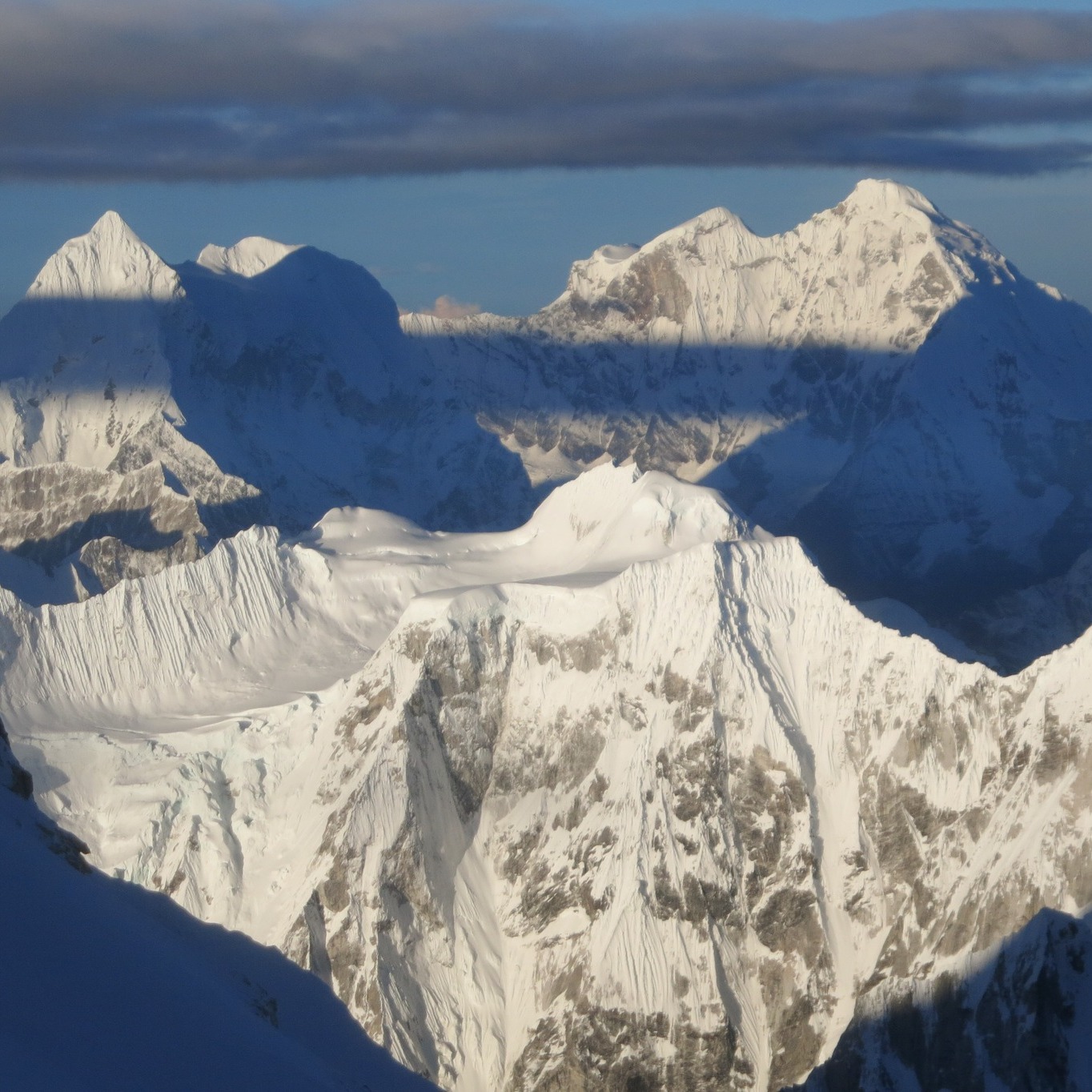
Cho-Oyu is the sixth highest mountain in the world, at 8188 m (26,864 ft) above sea level. Cho-Oyu means “Turquoise Goddess” in Tibetan.
China
Mt. Cho-Oyu
32 days
NW Face / Northern Ridge
6
28°05'39"N 86°39'39"E
Live weather report
Mahalangur Range
Cho Oyu, (8201 m) is the sixth highest mountain in the world, located a short distance west of Everest in the Khumbu region of eastern Nepal, along the Tibetan border.
There are no technical sections and objective hazards are virtually nonexistent. Its relatively easy access makes it an attractive climb for those short on time, as it can be completed in approximately six weeks (round trip). Base Camp is accessible by jeep, and it is possible to reach Kathmandu in a very long day from Base Camp.
Due to its easy access, the ABC (Ascent of the Khumbu Mountains) is often crowded with expeditions. Just west of Cho Oyu lies Nangpa La, the ancient trade route between the Khumbu Sherpas and Tibet.
It was the third peak of this type climbed, and the first on a lightweight expedition in autumn. Herbert Tichy, Joseph Jöchler and Sherpa Pasang Dawa Lama, from an Austrian expedition, first climbed the mountain on October 19, 1954, via the northwest ridge.
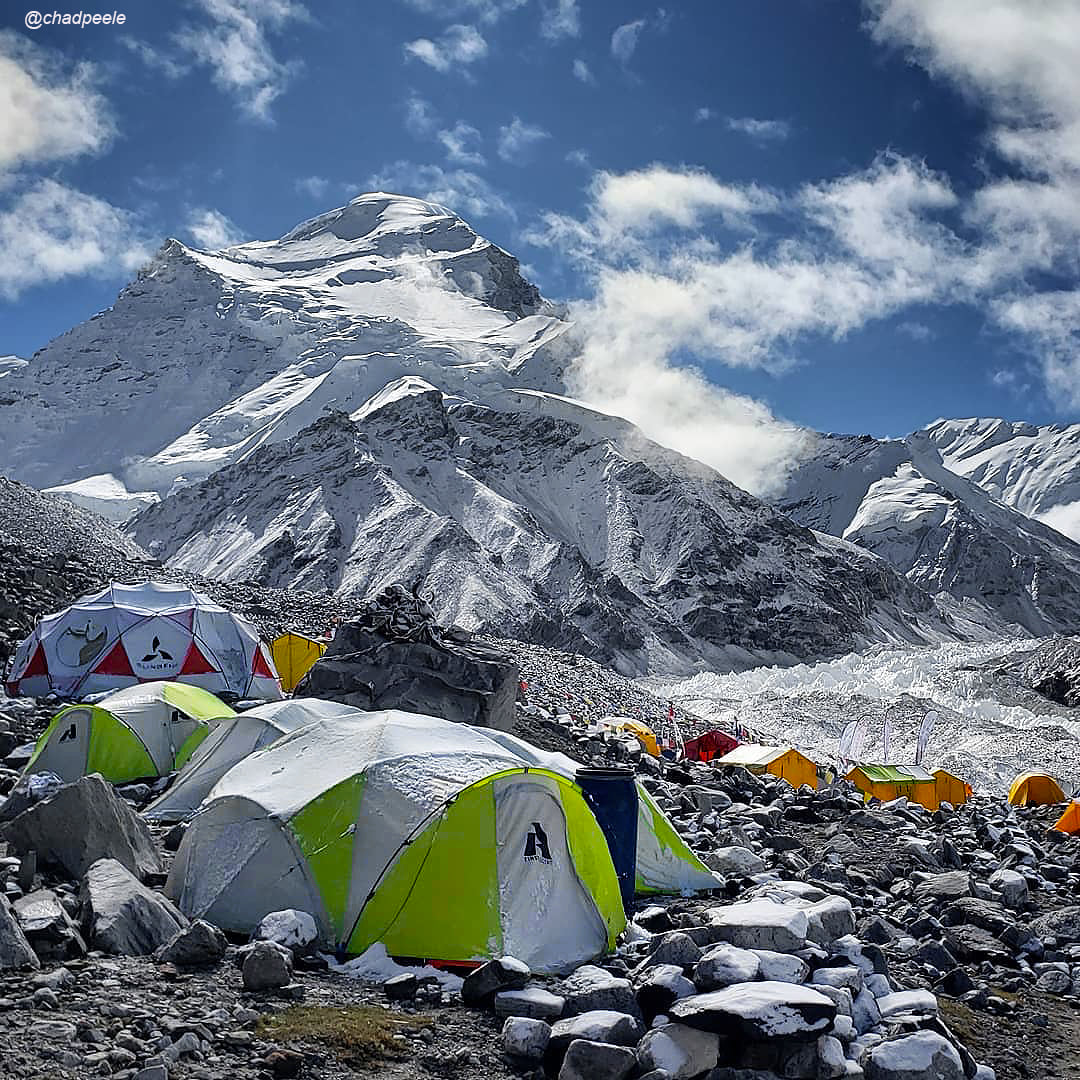
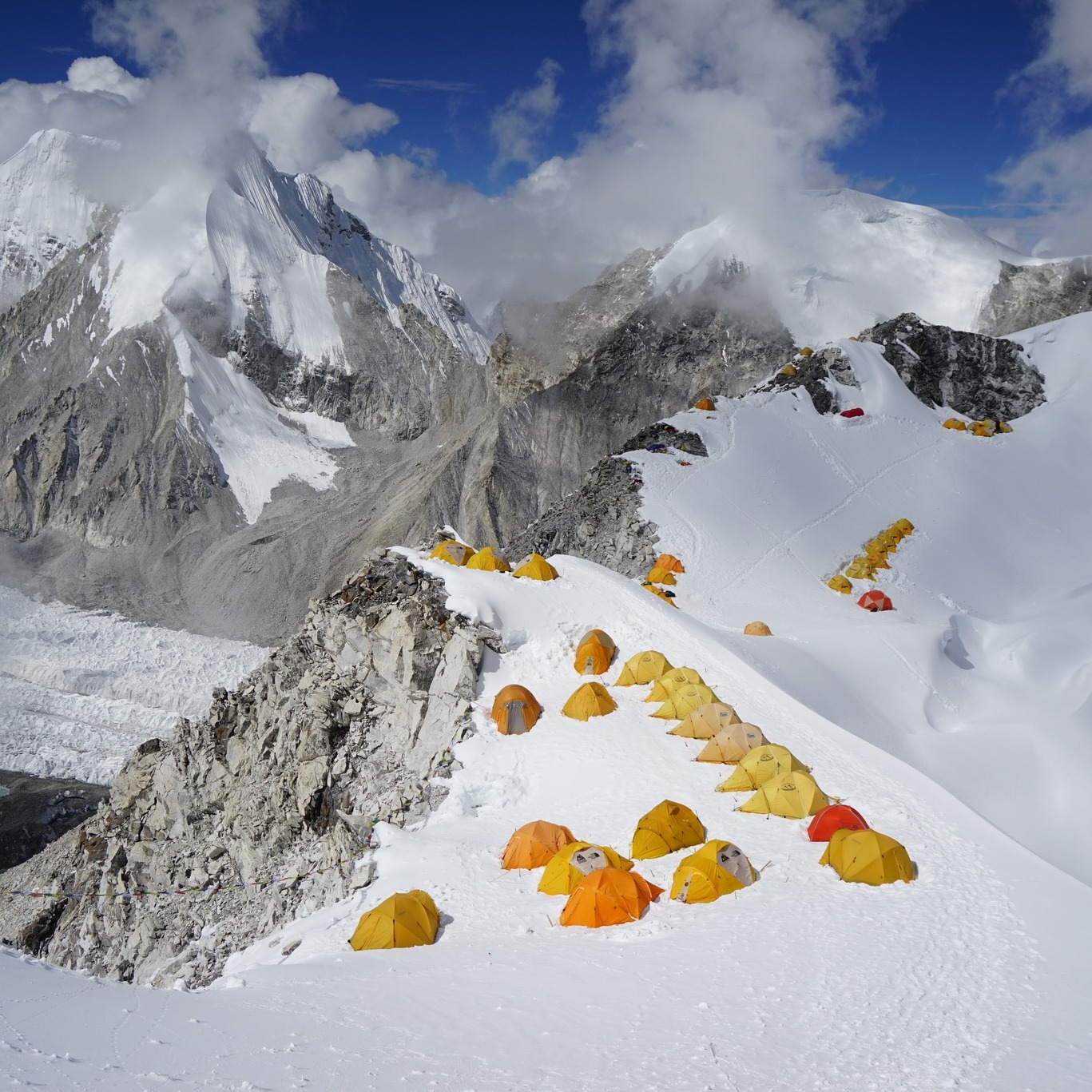
According to our itinerary, you will arrive at the Chinese base camp of Mount Cho Oyu (4,900 m) between days 10 and 12. You will acclimatize for a few days and then continue the trek to Advanced Base Camp. You will enjoy a pleasant stay with the team. A puja ceremony for good luck will be performed before we head to the upper camps. Seven Summit Treks boasts the best base camp, with a spacious dining hall, kitchen, bathrooms, communication facilities, and member tents.
Base camp is located at an altitude of 5,700 m (18,700 ft). It features comfortable dining areas, a kitchen, and member tents, with panoramic views of the beautiful peaks surrounding Mount Cho Oyu. This camp will be your home base until the end of the expedition. It will be your second home for approximately one month. There will also be another team for the climb.
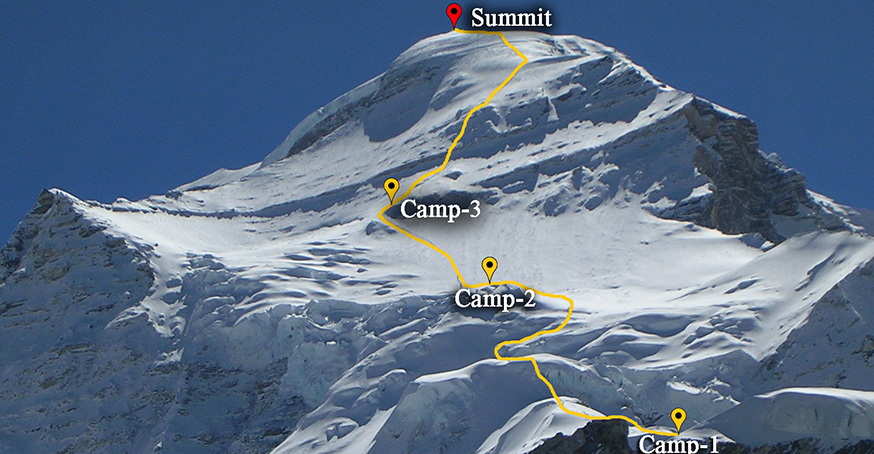
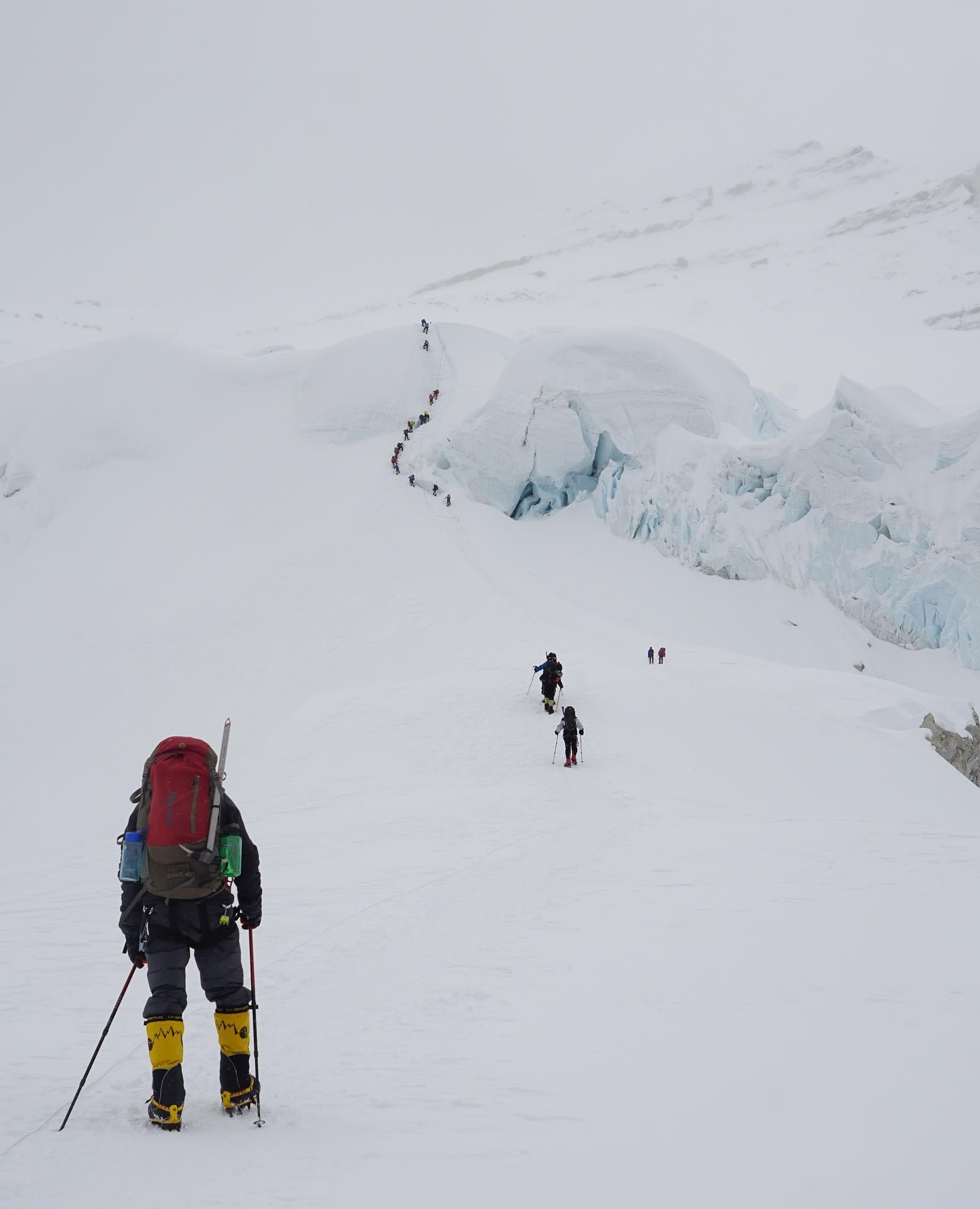
The route to Camp I will take between 4 and 6 hours. We will hike across the main glacier and snowfield to Camp I. Our experienced climbing guides and Sherpas will set up camp in a safe area.
Camp II is located at 7,100 m altitude before ascending to the high ground. Once the climbing rope is fixed to the ascent route, we will approach Camp II as a group. The trek will take approximately 6 to 7 hours. The snow slope will be 30 to 40 degrees. Two traverses will be undertaken for acclimatization. The first leg will be the ascent and return to base camp, and then you’ll go to Camp II while attempting the summit. Camp II is a spacious camp.
Camp III is located at an altitude of 7,500 m. It is just below the yellow strip. This strip is a rocky cliff that we must cross to reach the summit. It will take us about two hours to cross it. Sometimes, the rock may be covered with snow. You will not sleep at Camp III, so your summit ascent will begin from there. Most climbers will leave Camp III late at night or early in the morning to attempt the summit, and people will begin using supplemental oxygen from Camp III.
Summit (8,188 m/26,863 ft)
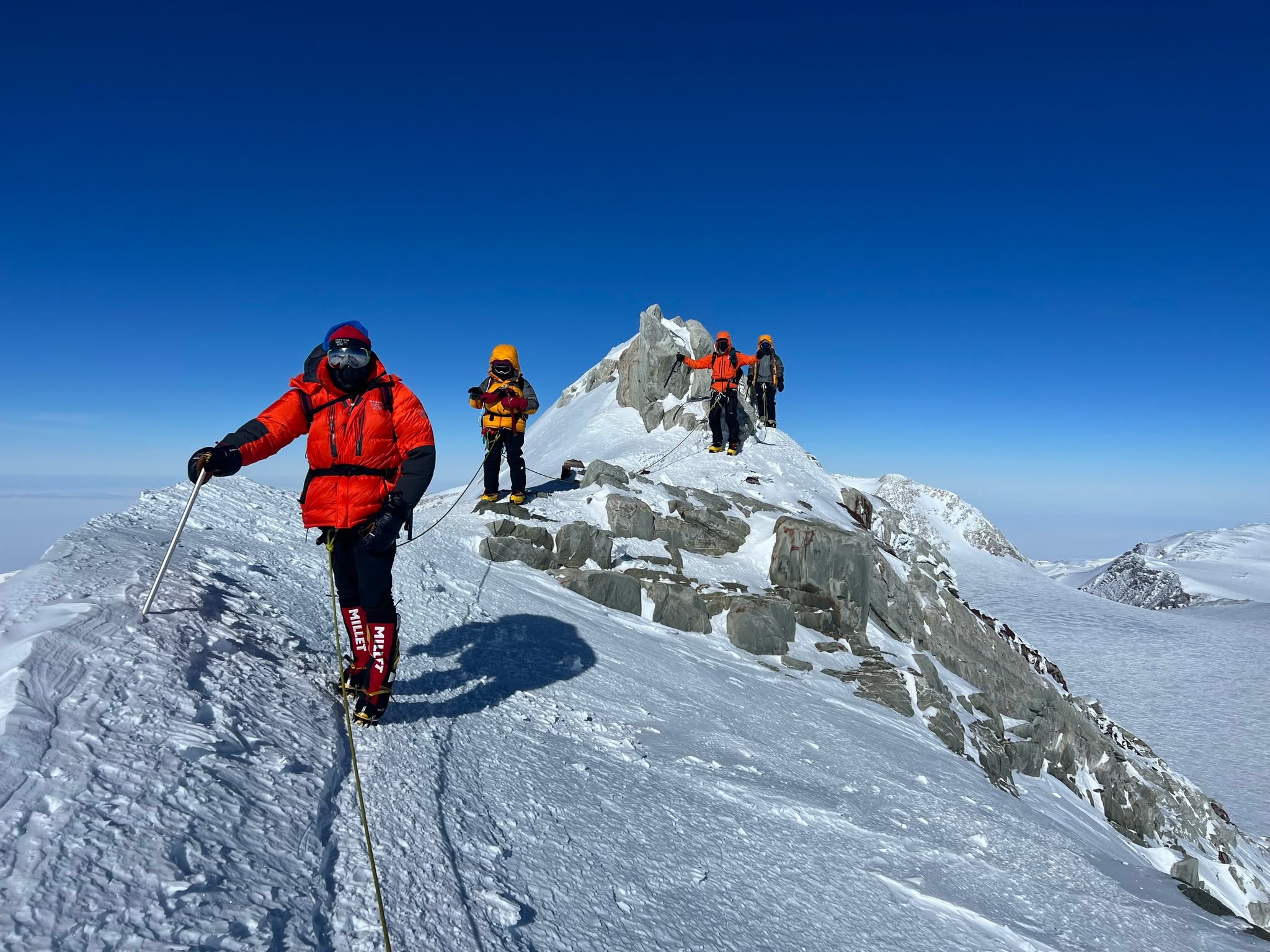
With the best weather forecast, once we leave Camp III for the summit, it will take us between 6 and 9 hours of climbing. It is a long, challenging, and adventurous trek. Most of the summit attempt will be made early in the morning, between 7 and 10 a.m., and the return to Camp II will be made the same day after summiting Cho Oyu. The descent will take several hours. Fixing ropes to reach the summit is the main task of our climbing sherpa, so we greatly admire his ability to fix ropes, open trails, and make every effort to ensure the group reaches the top of Mount Cho Oyu.
8.188 m / 26.863 ft
4-5 hours
Hotel + Lodge + Tent
Autumn
2 - 15 PEOPLE
Airfare to and from Kathmandu.
USD $125 for 90 days (must be multiple-entry).
Lunches and dinners in Kathmandu (or in case of early return).
Additional accommodation in Kathmandu due to itinerary or flight changes.
Mandatory: Medical coverage, rescue, evacuation, and repatriation.
Technical clothing, climbing gear, personal first-aid kit, and toiletries.
Satellite phone, internet (Thuraya), and excess baggage / yak charges (USD $500 per extra yak).
Fees for filming, professional cameras, or drones.
Minimum USD $1,800 for the climbing Sherpa.
Minimum USD $100 (Yak/Porter), USD $100 (Guide), and USD $400 (Base Camp and High Camp staff).