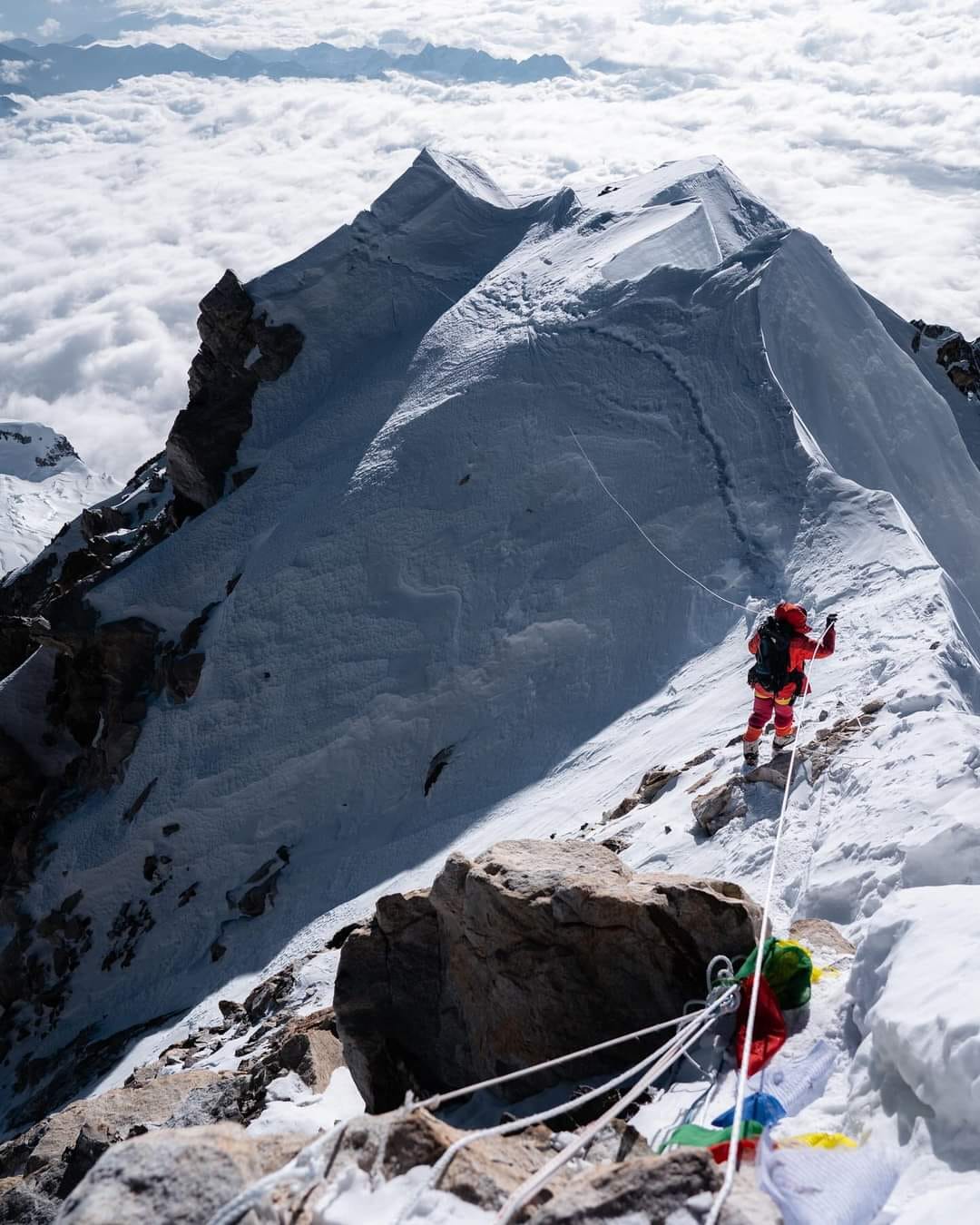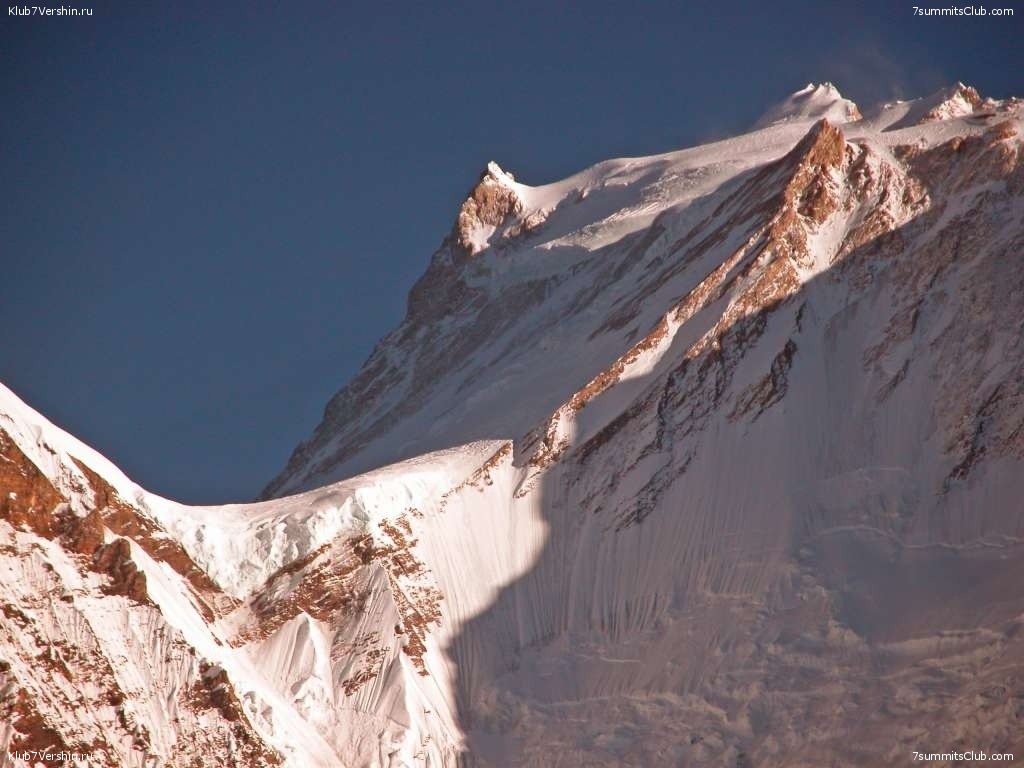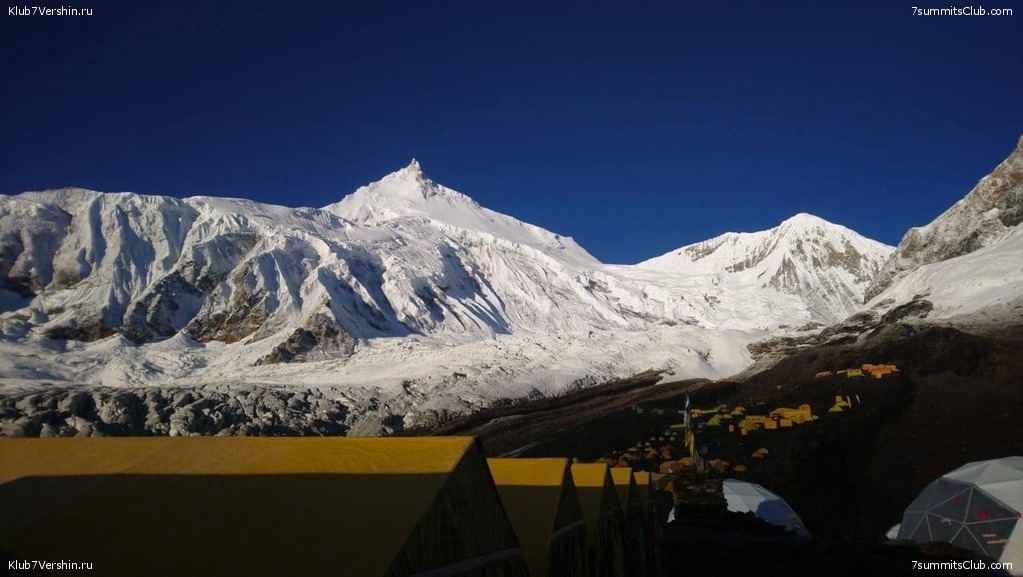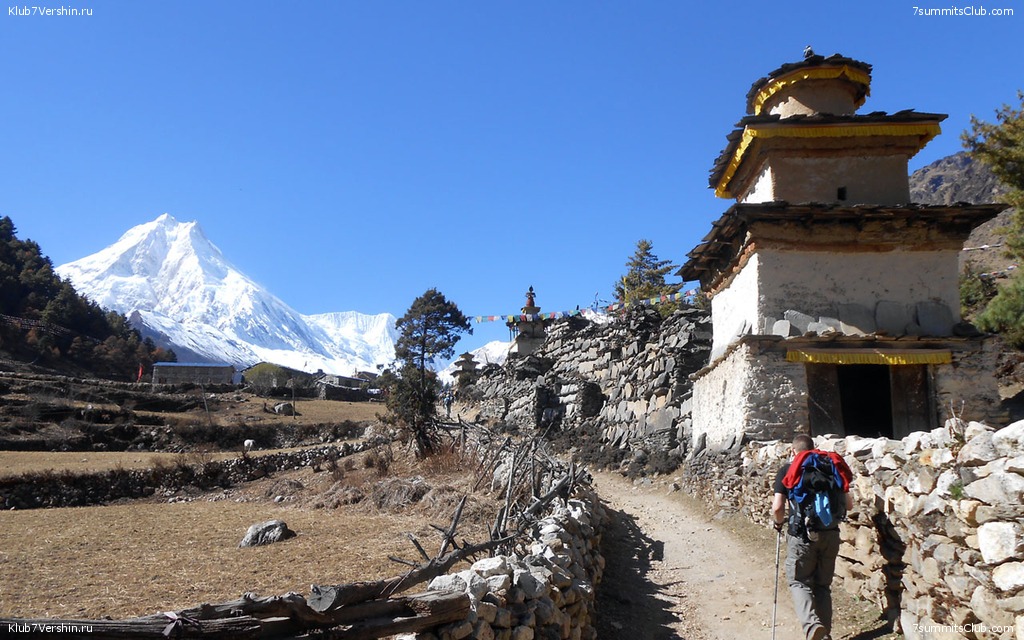
Makalu, an isolated peak whose shape is a four-sided pyramid, is the fifth highest mountain in the world at 8,485 m (27,838 ft).
Nepal
Mt. Makalu
50 days
NW Ridge
5
27°53'24"N 87°05'18"E
Live weather report
Kumbhakarna Range
Makalu, It is the fifth highest mountain in the world, with an altitude of 8,485 meters (27,838 feet) above sea level. It is located in the Himalayas, on the border between Nepal and China. Mount Makalu is known for its isolated location and its distinctive pyramidal peak, which makes it a visually striking mountain. At the base of Mount Makalu lies a natural wonder: the Barun Valley. This valley is home to breathtaking waterfalls cascading into deep gorges, diverse flora and fauna, and the rich cultures of ethnic communities such as the Sherpas and Kirat. Although this area is somewhat isolated, every step you take here will undoubtedly create a lifelong memory.
Mount Makalu was first summited on May 15, 1955, by a French team consisting of Lionel Terray and Jean Couzy, led by Jean Franco. The team ascended the mountain via the northeast ridge, the most common route to the summit. Since the first ascent, there have been several successful attempts. The southeast and northwest ridges are the most prominent. Of these two, the northwest ridge route is the one most commonly used by climbers to reach the summit. The expedition to Mount Makalu in Nepal is fraught with adventure and danger. The Russian team climbed the western route, considered the most dangerous, in 1997. They reached the summit on May 21, 1997, following the most challenging route.
Climbing Makalu is a considerable challenge that requires a high level of physical fitness, technical climbing skills, and mental fortitude. The mountain is known for its steep and challenging northeast ridge route, and the thin air and extreme altitude make it a demanding climb. However, for those who can and are willing to take on the challenge, the experience of standing on the summit of Mount Makalu can be extremely rewarding. The Makalu Seven Summits Expedition will begin the second week of April from Kathmandu. You will have a couple of days to prepare your equipment and documentation. Afterward, you will fly to Tumlingtar and drive to Num. From here, you will begin your trek to Makalu Base Camp. This trip is ideal for those with experience climbing peaks of 7,000 meters or higher. We will rotate frequently between camps for optimal acclimatization. The advanced base camp is typically at 5,600 m/18,372 ft, Camp I at 6,100 m/20,013 ft, Camp II at 6,500 m/21,325 ft, Camp III at 7,400 m/24,278 ft, Camp IV at 7,800 m/25,590 ft, and the summit at 8,485 m/27,838 ft.
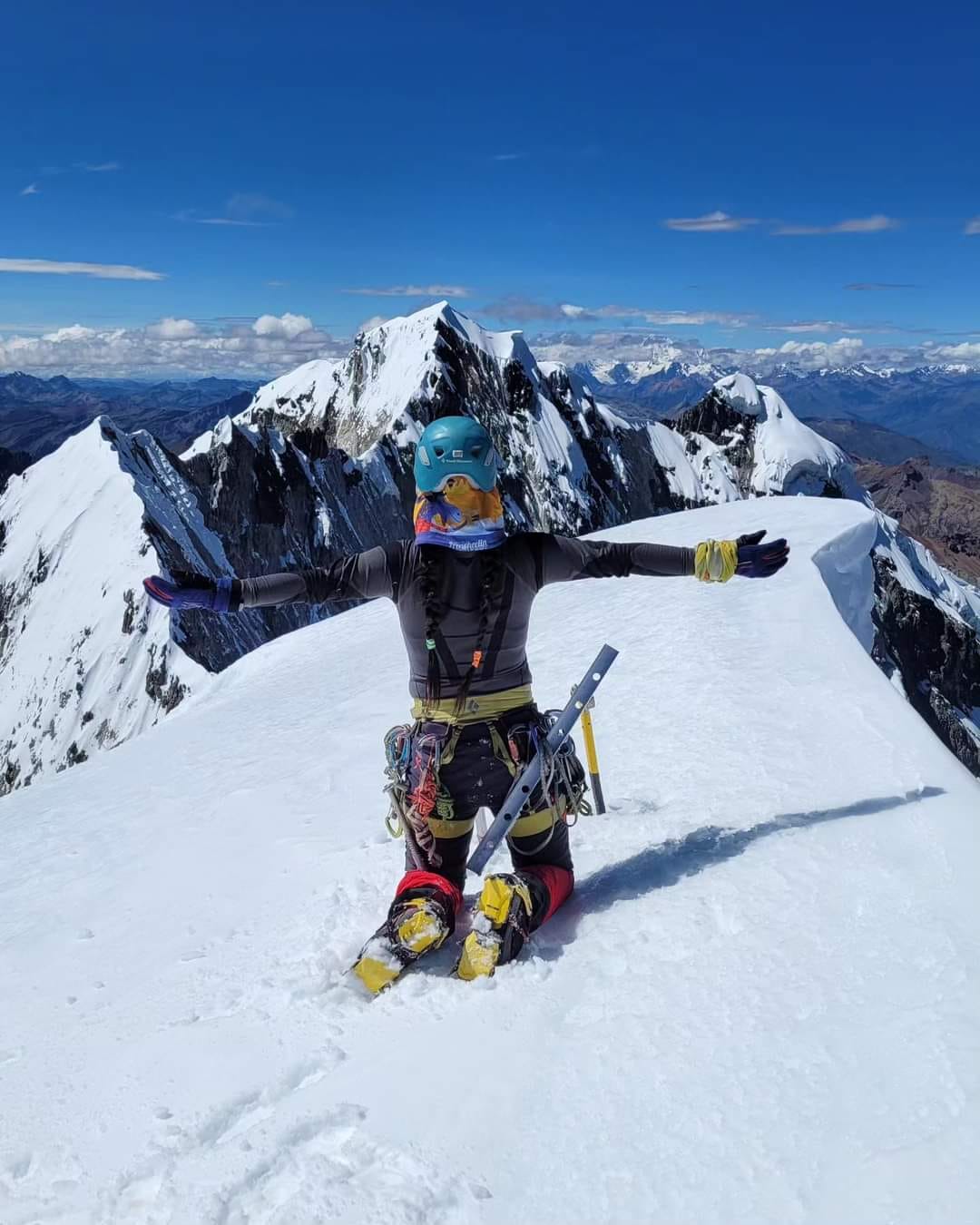
WHY CLIMB MOUNT Makalu WITH SEVEN SUMMIT EXCURSIONS?
“We look forward to serving you and sharing our experience with you”
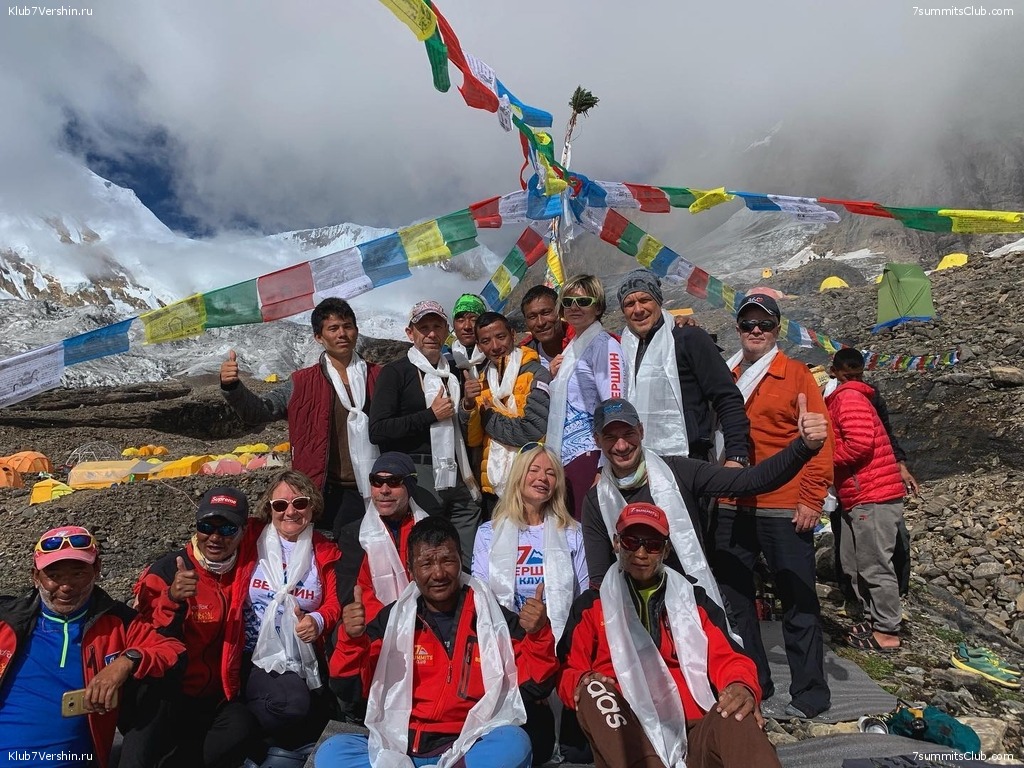
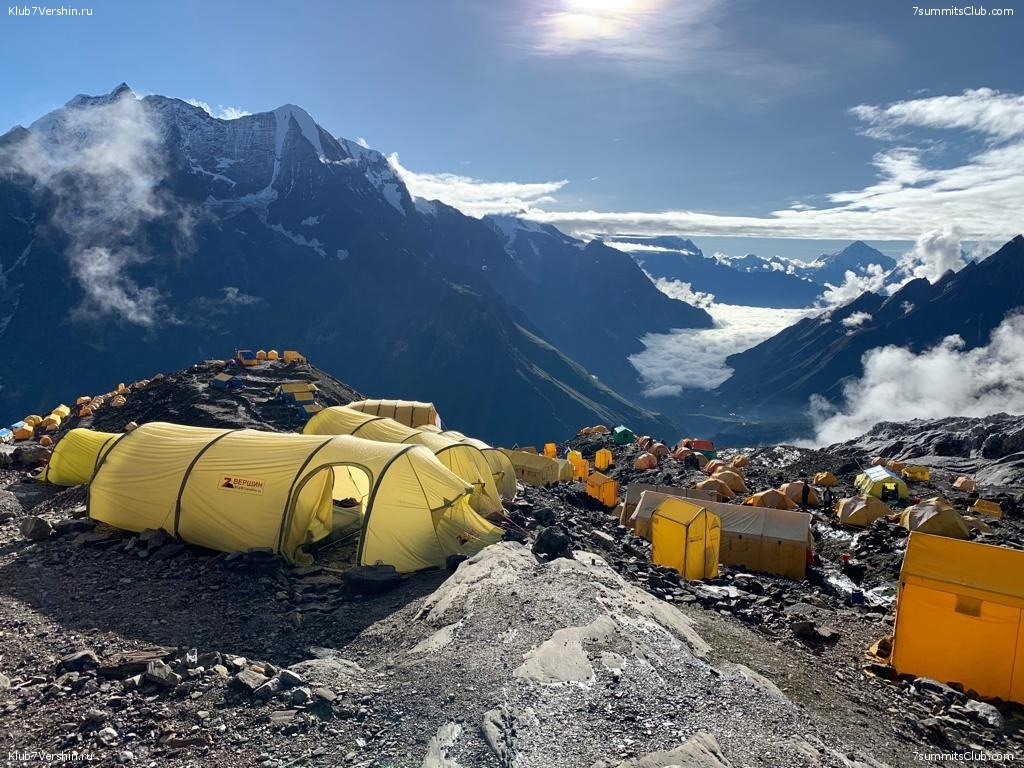
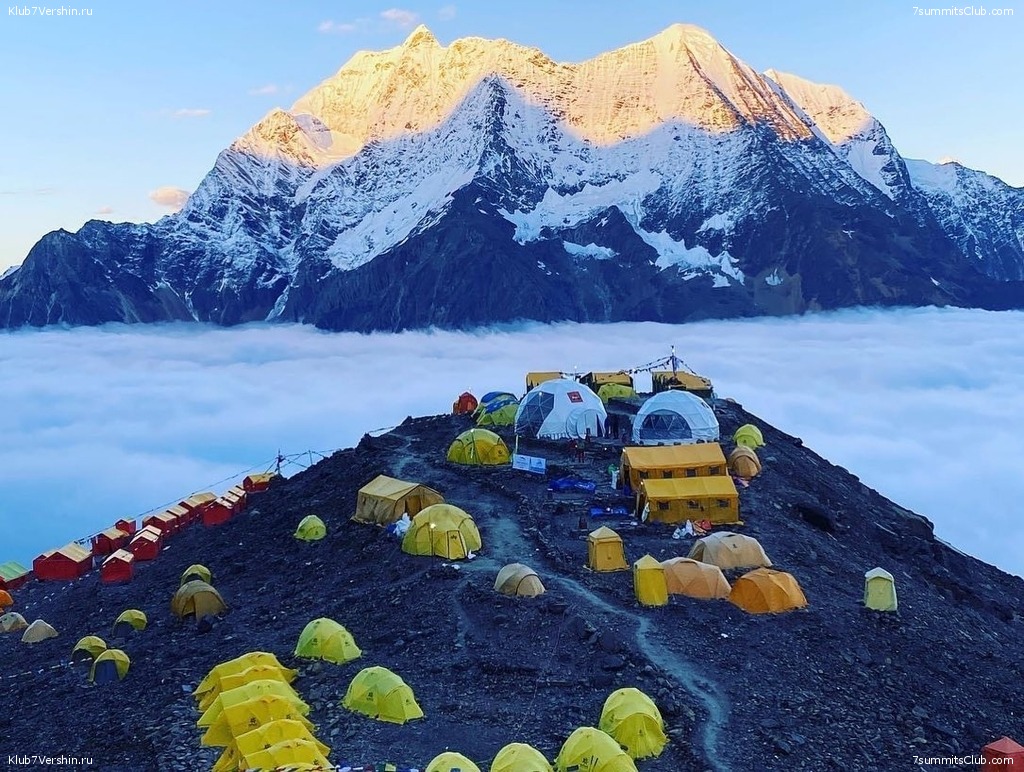
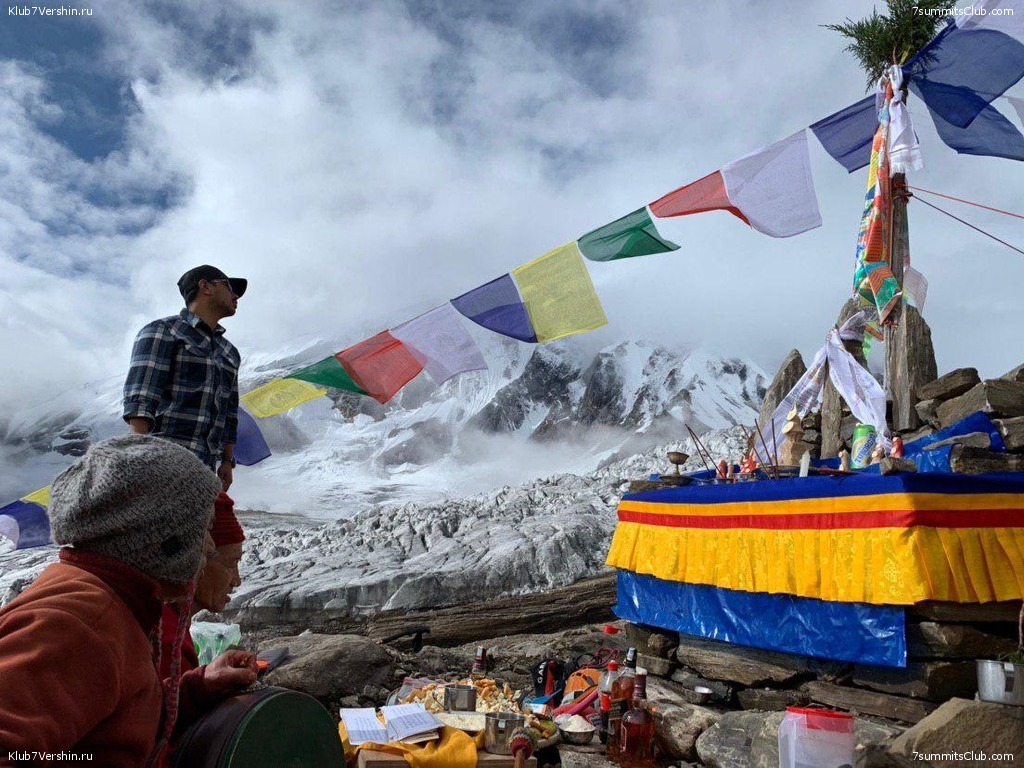
Scenic flight to Tumlingtar, drive to Num, and trek to the Makalu Base Camp (4870 m), with magnificent views of the Himalayan range. There, our best Sherpa team will be waiting for you. Seven Summit boasts the best base camp. You will spend approximately one month at base camp. Each member will have an individual tent, and there are also tents with a dining area, kitchen, showers, communication facilities, and toilets. Before ascending, we will hold a large ceromancy puja at base camp to wish for good luck and a safe climb. Seven Summits offers frequent helicopter charter flights to Base Camp (ABC), and each charter flight carries plenty of fresh vegetables, fresh meat, drinks, and sometimes bread.
Once at Base Camp (ABC), your personal Sherpa climber or team leader will review the base and advanced training at Base Camp. You will then ascend to Camp I. For better acclimatization, once the Sherpa team has fixed the rope, you will ascend to Camp I, which is at an altitude of 6100 m. On this section of the climb, you will encounter mixed terrain with a few crevasses and ice on the glacier section. This will take you between 4 and 5 hours of climbing. We will have frequent rotations at Camp I and back to Base Camp.
The climb from Camp I to Camp II is an intermediate ice section with some mixed climbing sections. In this section, there are some rock sections and a glacier, and the central part of the glacier is somewhat technical, but there will be fixed ropes throughout. The duration will be 4 to 5 hours.
The climb from Camp II to Camp III is a fairly long distance. The climb will only take 5 to 6 hours.
It’s a long section, though easier. The climbing sherpa and fixed rope will be available for safe climbing.The climb to Camp IV is short, but there are crevasses, so caution is advised due to the altitude and low oxygen levels.
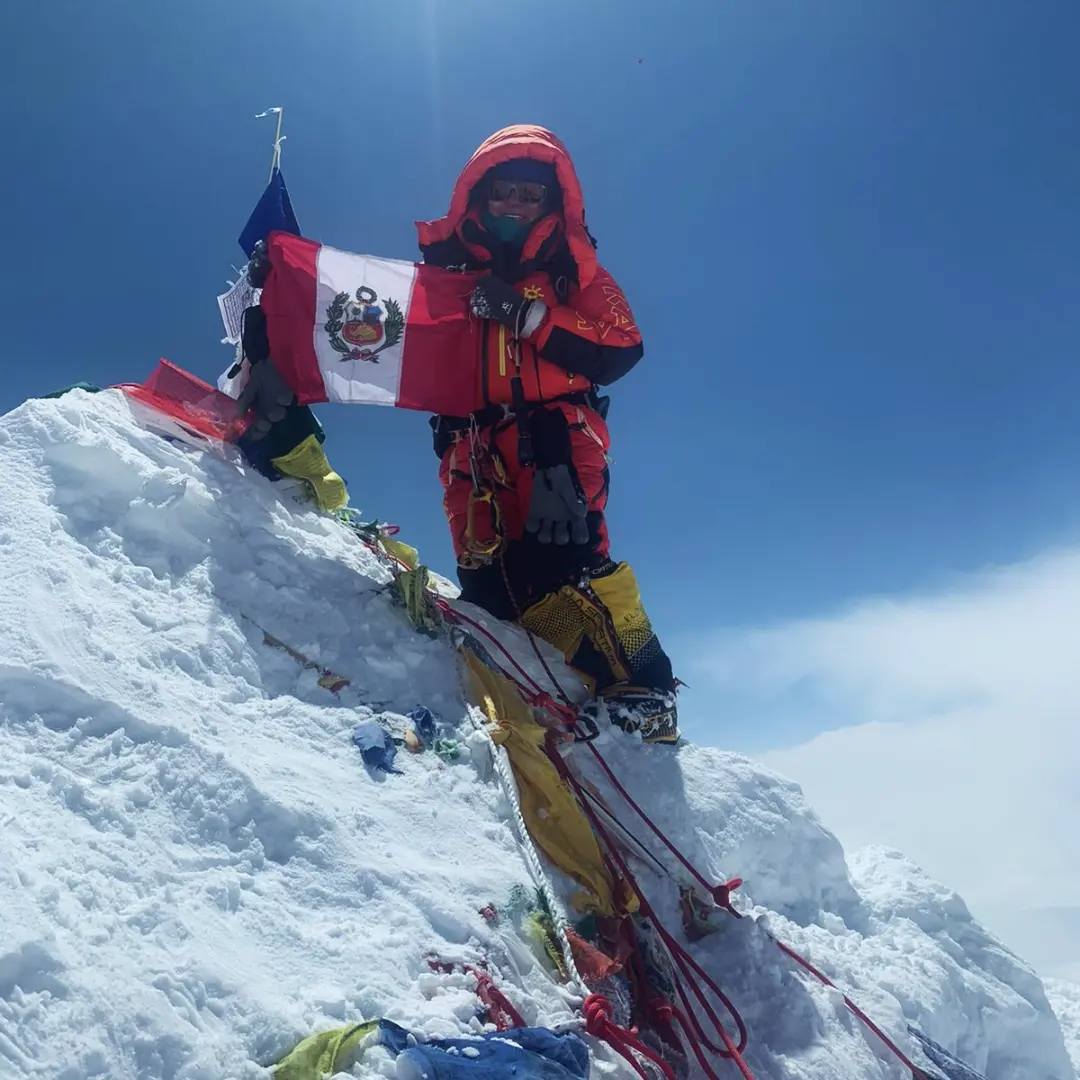
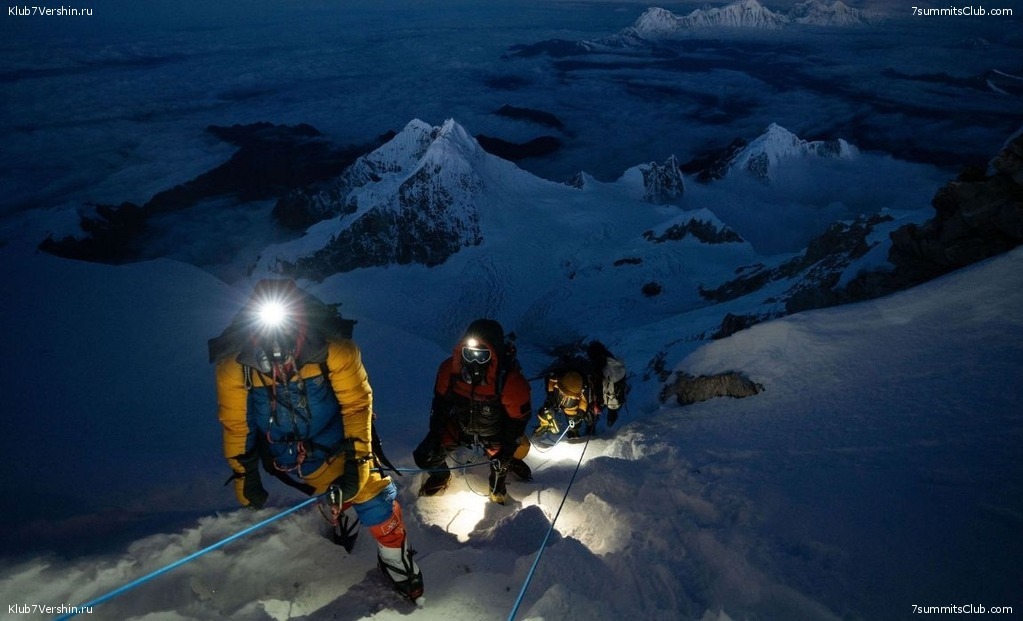
The most important day is summit day. It’s the main goal for all climbers. It’s a day climbers dream of. Most climbers begin their ascent to the summit late at night and will hike for approximately 7 to 8 hours, reaching the top around 8-10 am. The summit of Mount Makalu is breathtaking. You will be mesmerized by the stunning views of various 8,000-meter peaks. On the same day, after taking some photos, you will hike down to Camp III or Camp II, which will take about 5 to 6 hours. Descending from the summit is also a challenging part of this expedition, so a safe descent is a crucial aspect of summit day. Seven Summit Treks will have a Sherpa climber accompanying each member from Camp IV to summit day and back to base camp. The SST guide will carry an oxygen cylinder for themselves and the team members. For a safe summit of Mount Makalu, SST will always provide guidance on the best weather forecast, communication, and follow-up support from the base camp leader. Fixing ropes to reach the summit is the main task of our climbing sherpa, so we greatly admire our sherpa for fixing ropes, opening trails, and making every effort to ensure the group reaches the summit of Mount Makalu.
8,485m / 27,838ft
5-6 hours
Hotel + Lodge + Tent
Spring/Autumn
2 - 15 PEOPLE
Airfare to and from Kathmandu.
Visa fee (USD $125 for 90 days).
Lunches and dinners in Kathmandu (and in case of early return from the expedition).
Additional accommodation in Kathmandu due to early arrival, late departure, or domestic flight cancellations.
Mandatory: Medical coverage, high-altitude rescue, aerial evacuation, and repatriation.
Phone calls, laundry, hot showers, alcoholic beverages, and soft drinks (outside Base Camp).
Technical clothing, personal climbing gear, personal first-aid kit, and toiletries.
Fees for professional filming, video cameras, or drone use.
Bonus for the climbing Sherpa: Minimum USD $1,500.
Suggested for base camp and high-altitude staff: Minimum USD $350.