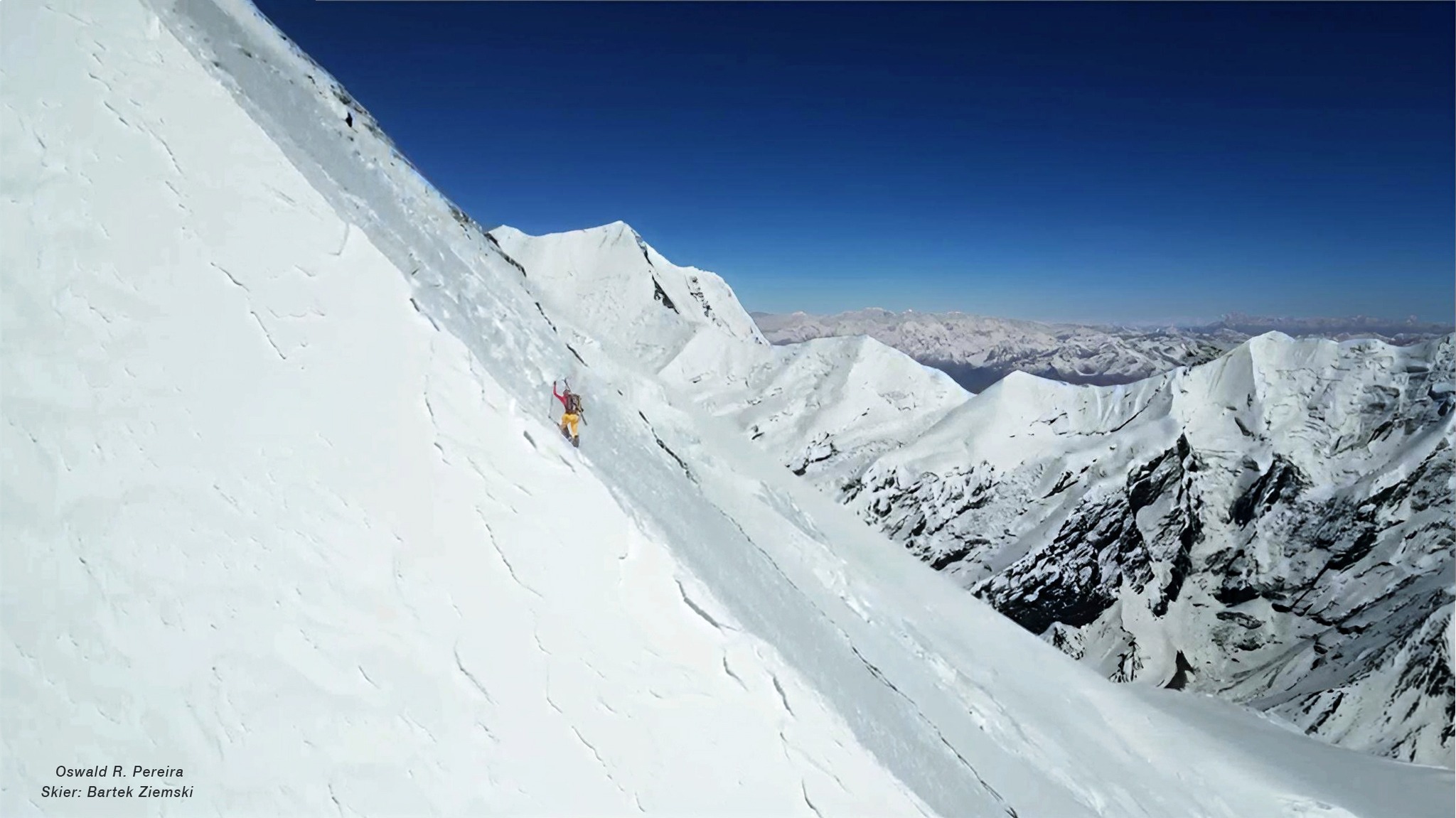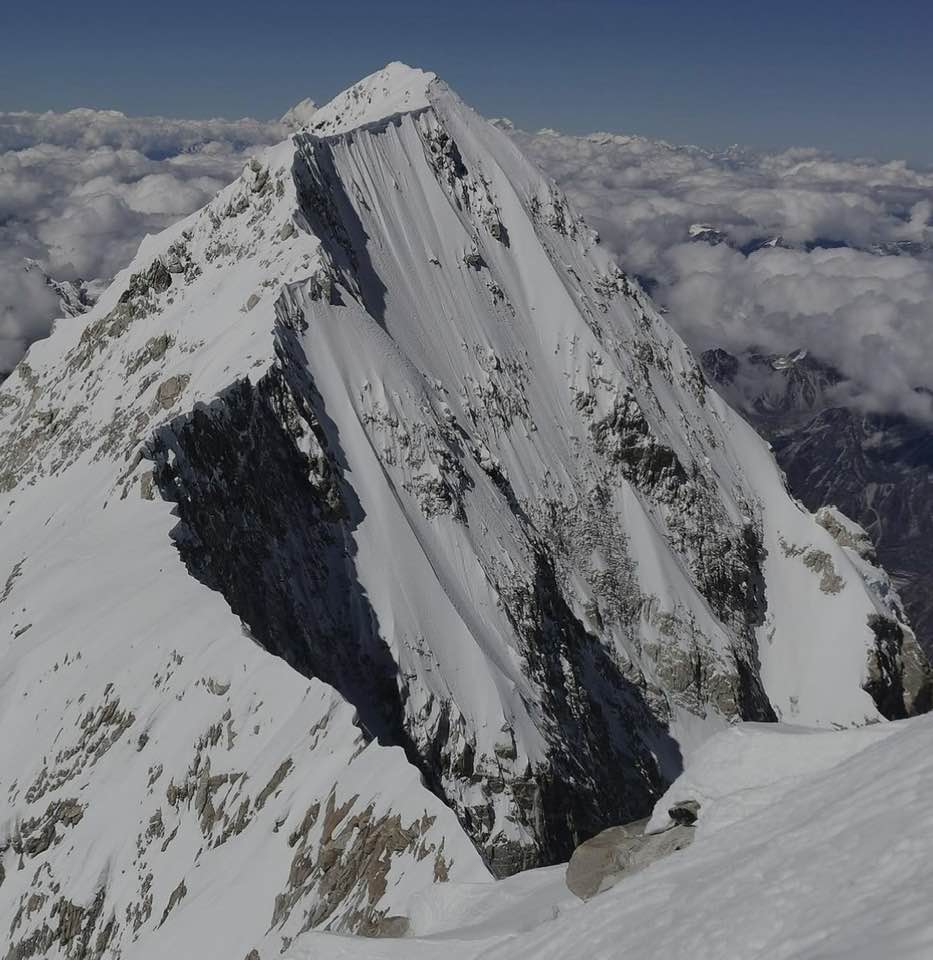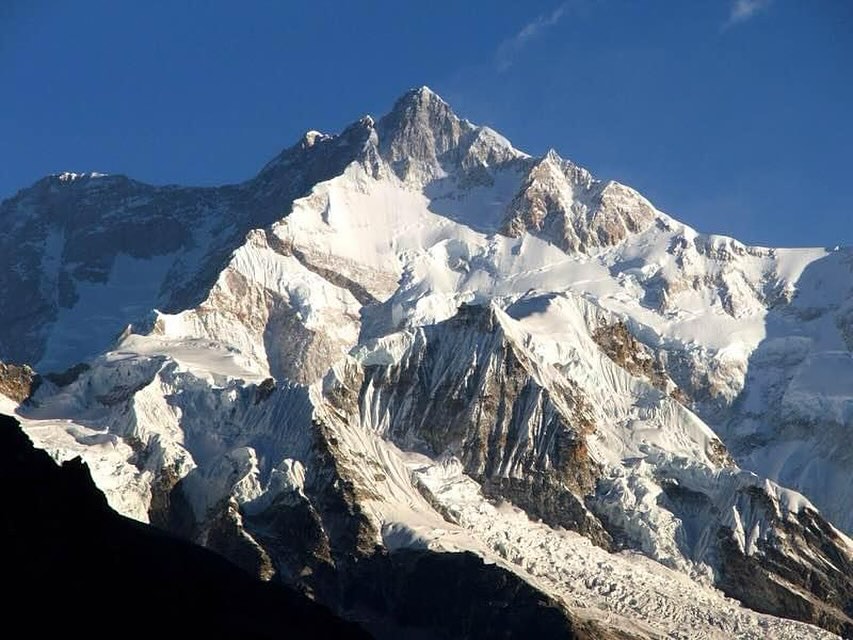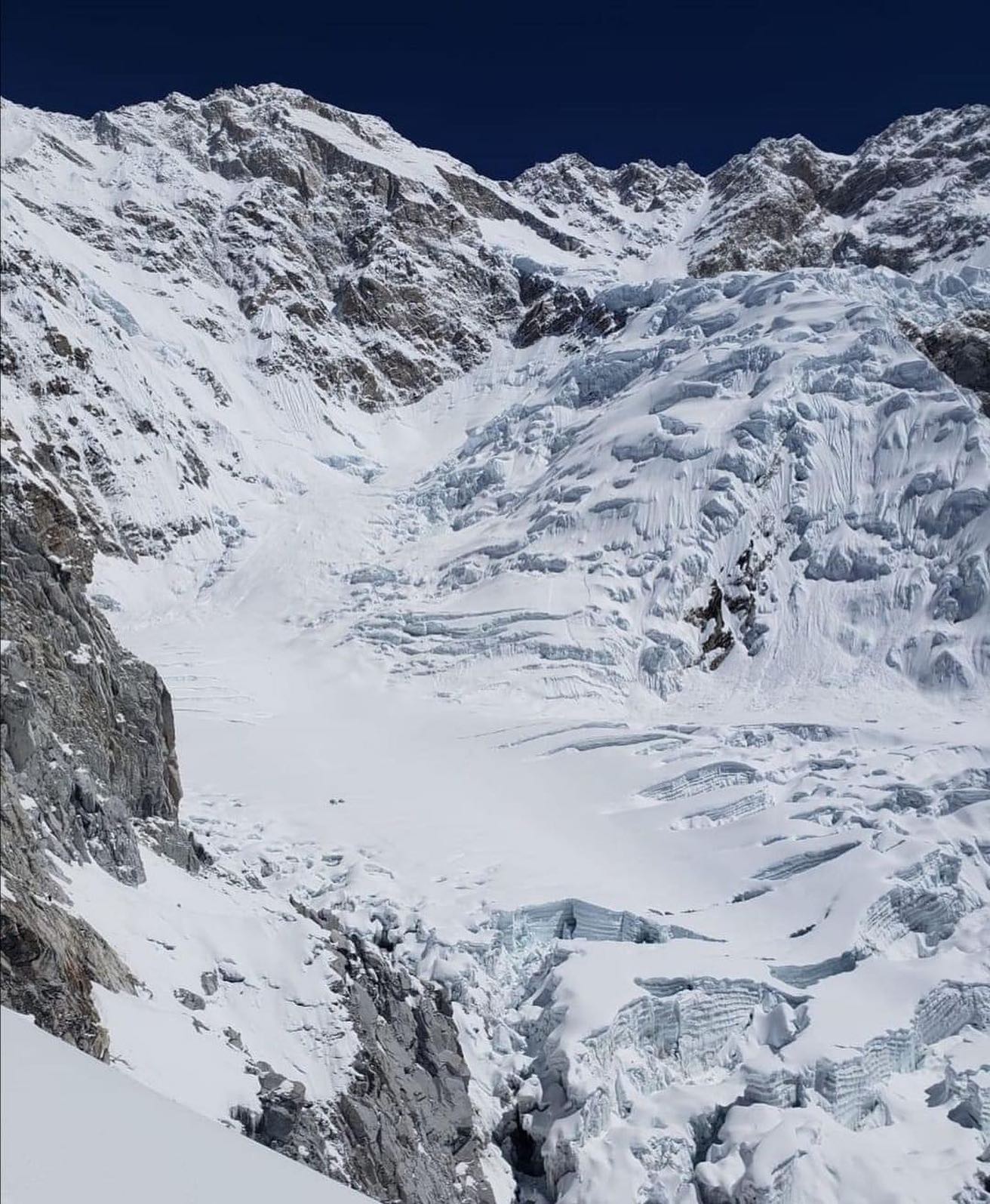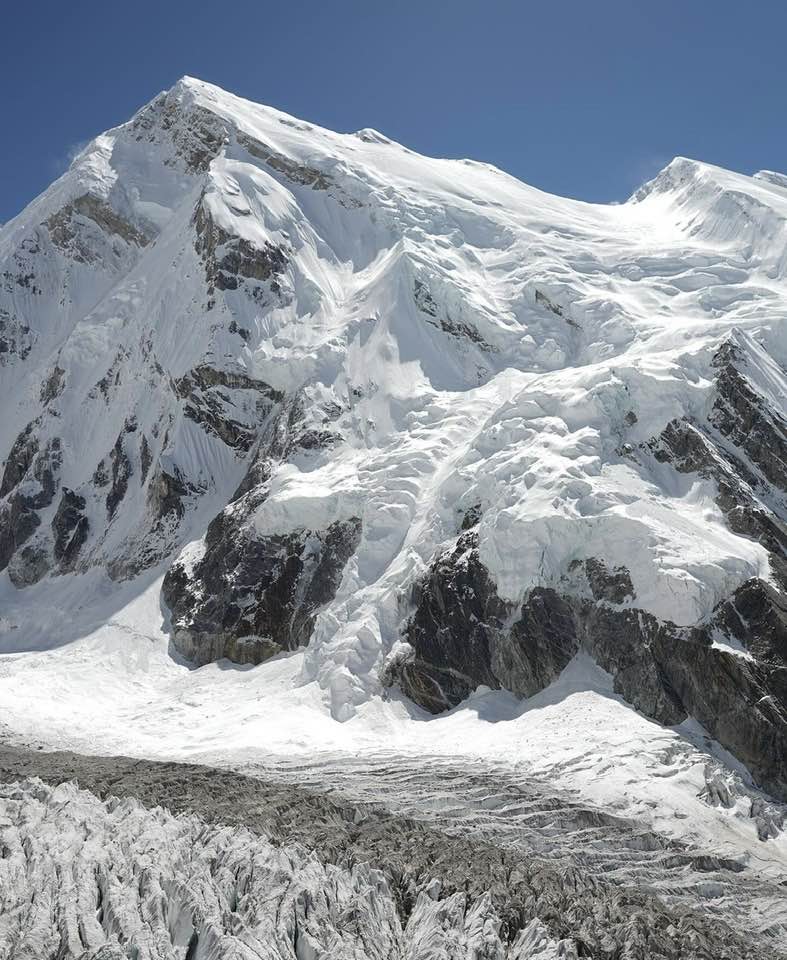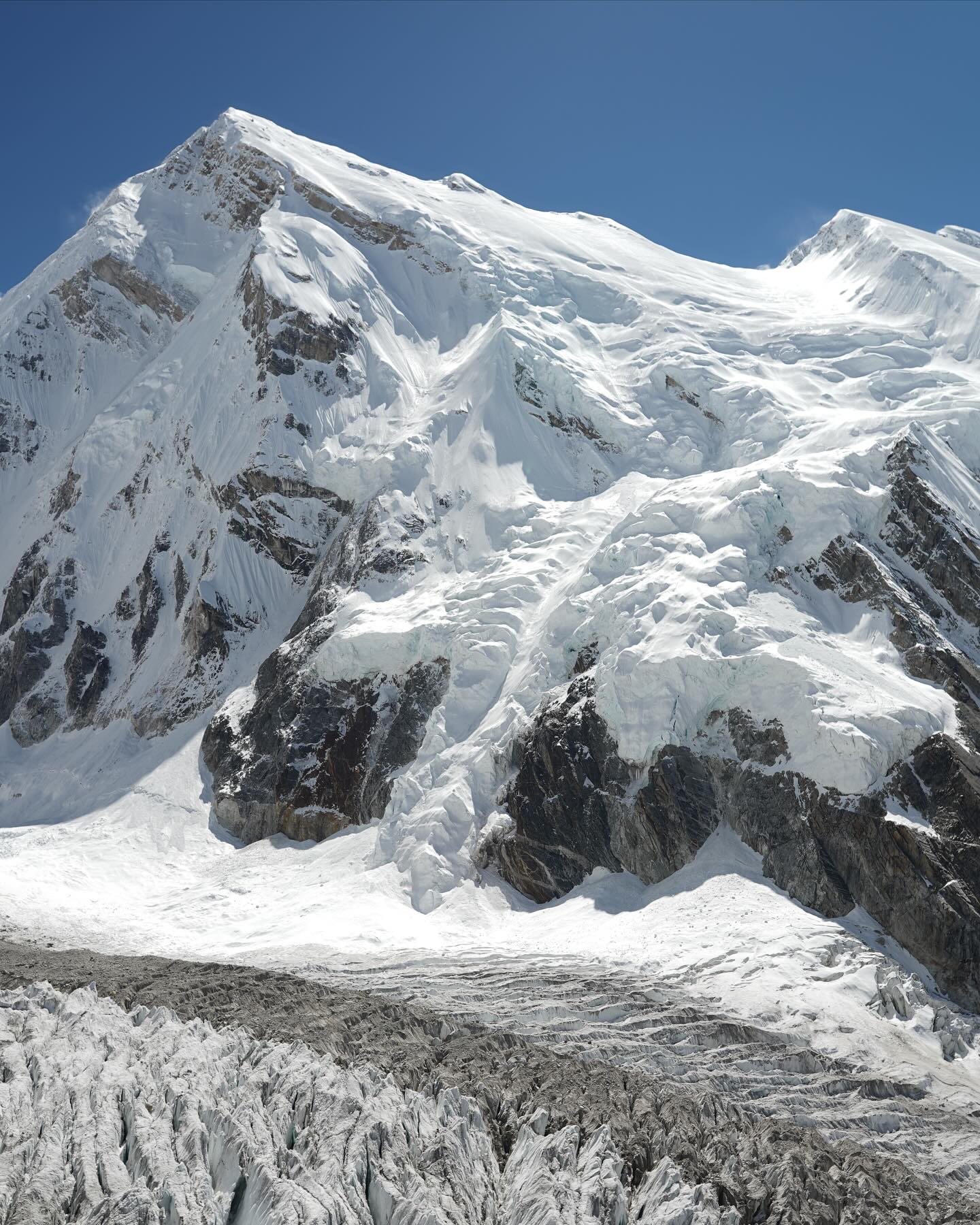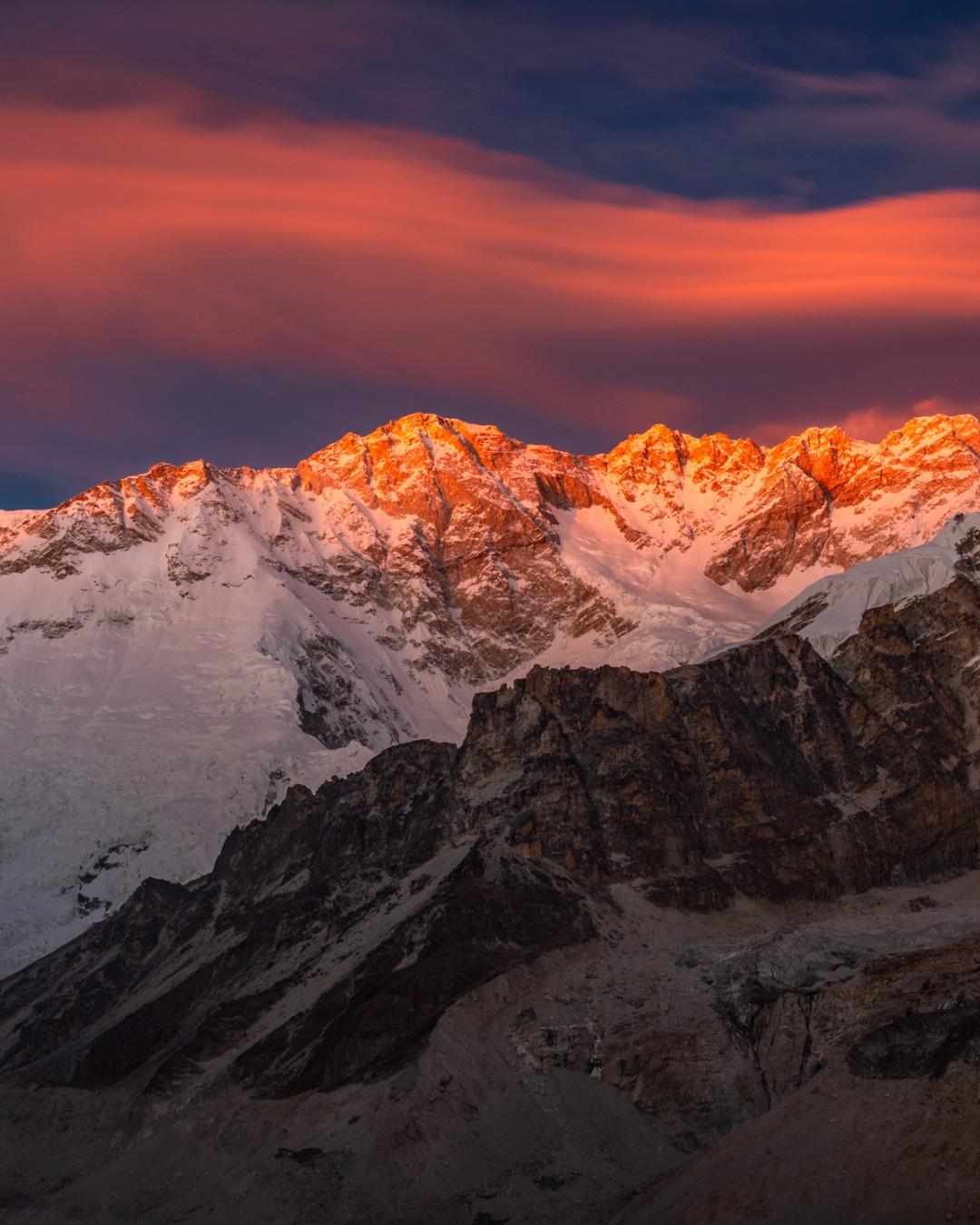
Kangchenjunga, which means “The Five Treasures of the Snows”, is the third highest mountain in the world and the second highest in Nepal.
Nepal
Mt. Kangchenjunga
50 days
N-Face Route
3
27°42'09"N 88°08'54"E
Live weather report
Kangchenjunga Range
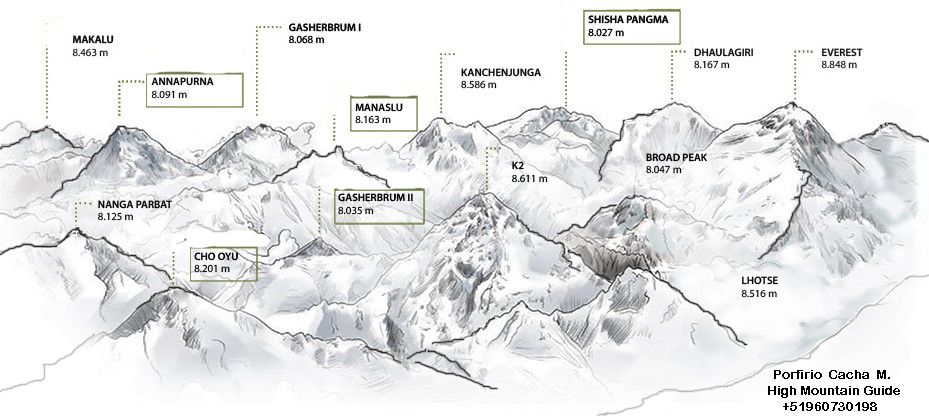
Kangchenjunga, It is the third highest peak in the world and the second highest in Nepal. It is located in the eastern Himalayas, on the border between India and Nepal. The mountain rises to an altitude of 8,586 meters (28,169 feet) above sea level and is part of the Great Himalayan Range. The name “Kanchenjunga” comes from the Tibetan words “Kanchen” and “Dzonga,” meaning “The Five Treasures of the Great Snows,” as it comprises five peaks: Kanchenjunga I (8,586 m), Kanchenjunga West (8,505 m), Kanchenjunga South (8,494 m), and Kangbachen (7,903 m). The treasures represent the five storehouses of God: gold, silver, gems, grain, and sacred books.
Kangchenjunga has a long and fascinating history of climbing. The mountain was first surveyed by the British in 1849, but it wasn’t until 1955 that it was finally climbed for the first time. A team of British climbers, led by Joe Brown and George Band, achieved the first successful ascent of the mountain on May 25, 1955.
Kangchenjunga is considered a challenging and technical mountain, and many people are drawn to the sense of accomplishment and personal growth that comes with reaching the summit of such a formidable peak. Some also climb Kangchenjunga to experience the beauty and majesty of the Himalayas and to enjoy nature.
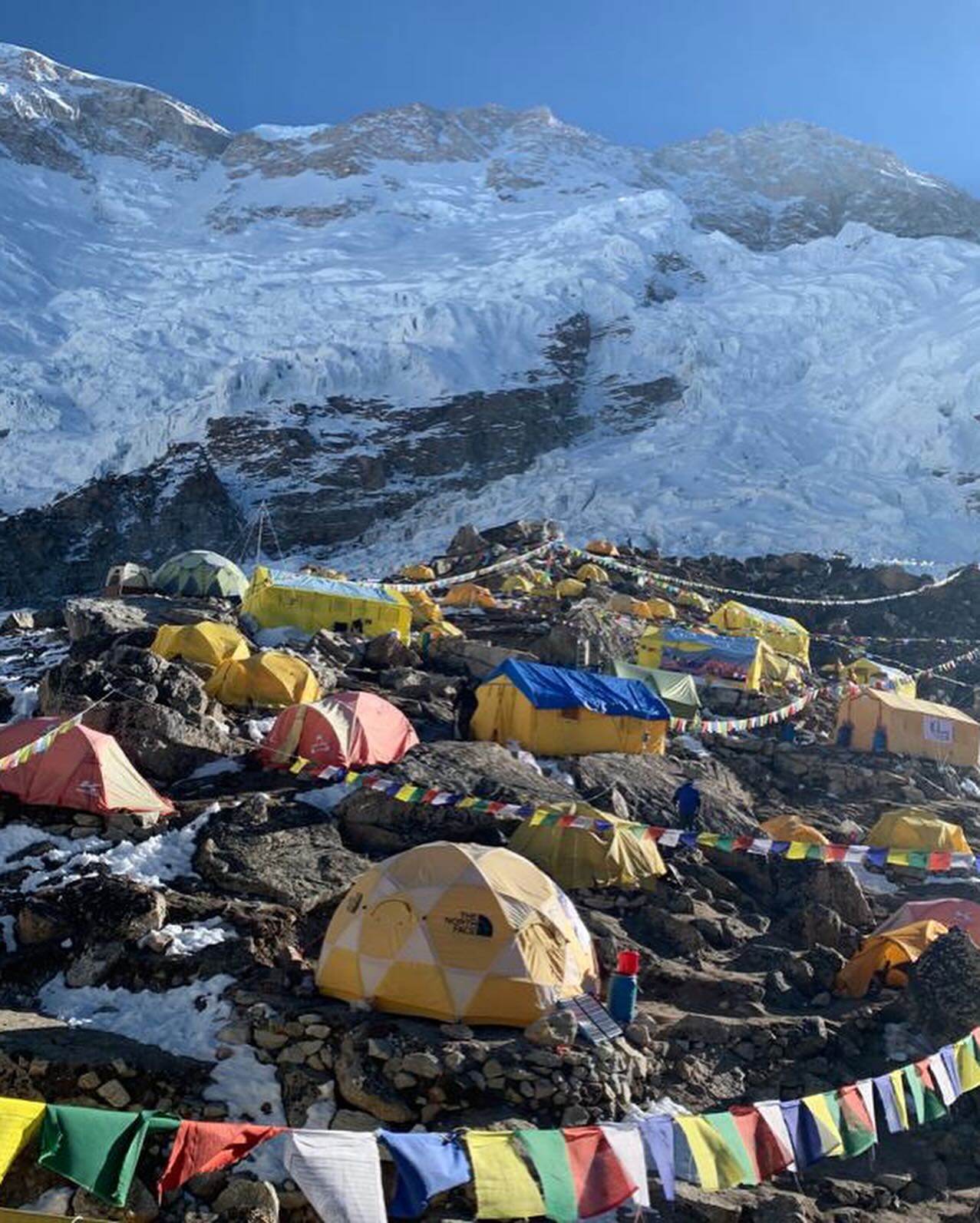
The Kangchenjunga Seven Summits expedition will begin the second week of April from Kathmandu. You will have a couple of days to prepare your equipment and documentation. Afterward, you will fly to Bhadrapur and drive to Phidim. From there, you will begin your trek to Kangchenjunga Base Camp. This trip is ideal for those who already have experience on peaks of 7,000 m or higher. We will rotate frequently between camps for optimal acclimatization. Advanced Base Camp is typically established at 5,475 m (17,963 ft), Camp I at 6,200 m (20,241 ft), Camp II at 6,400 m (20,997 ft), Camp III at 7,100 m (23,294 ft), Camp IV at 7,570 m (24,770 ft), and the summit at 8,586 m (28,169 ft).
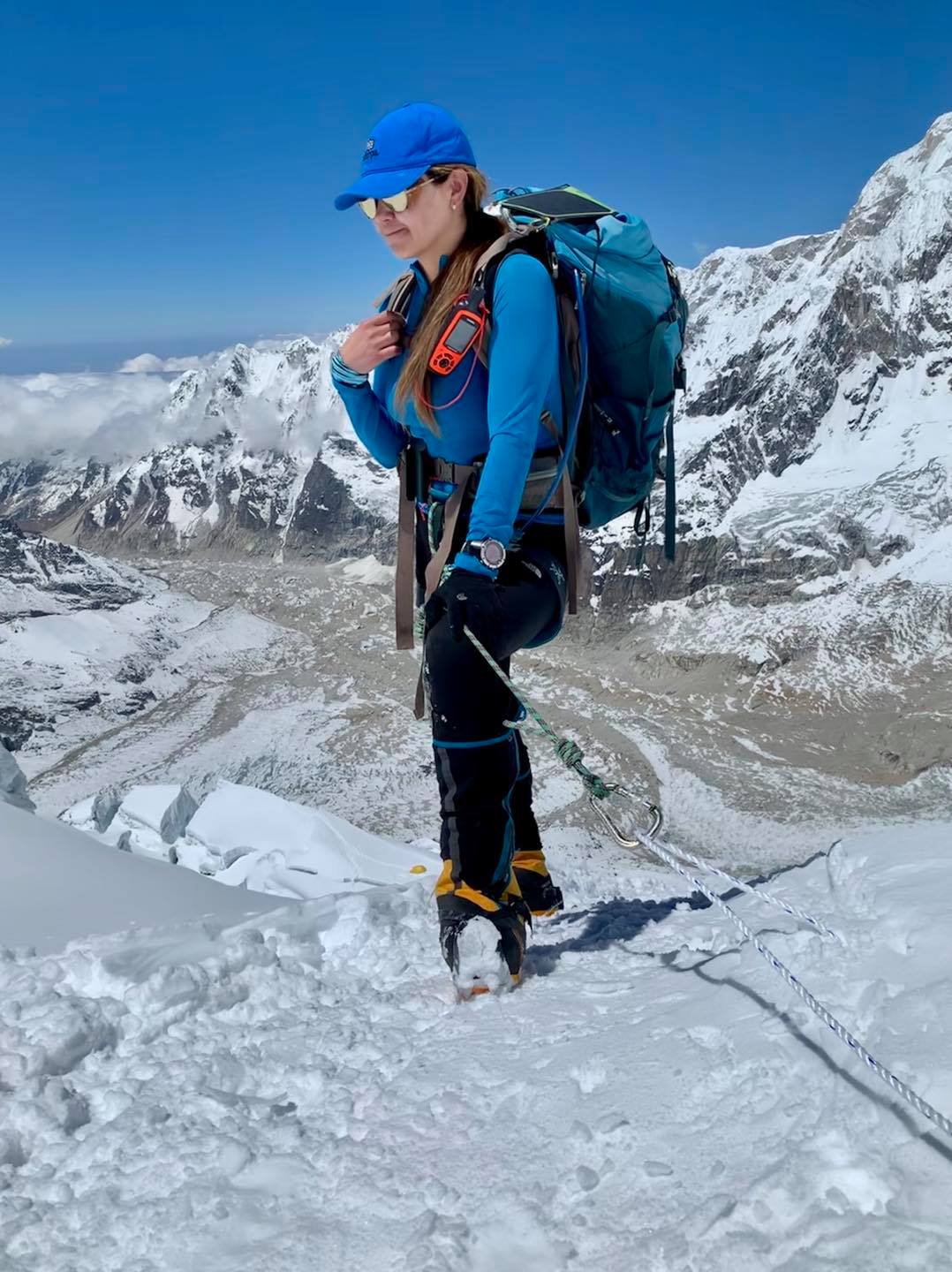
WHY CLIMB MOUNT Makalu WITH SEVEN SUMMIT EXCURSIONS?
“We look forward to serving you and sharing our experience with you”
8,586m / 28,169ft
5-6 hours
Hotel + Lodge + Tent
Spring
2 - 15 PEOPLE
Airfare to and from Kathmandu.
Visa fee (USD $125 for 90 days).
Lunches and dinners in Kathmandu (and in case of early return from the expedition).
Additional accommodation in Kathmandu or Bhadrapur due to early arrival, late departure, or logistical changes.
Mandatory: Medical coverage, high-altitude rescue, aerial evacuation, and repatriation.
Phone calls, laundry, hot showers, alcoholic beverages, and soft drinks (outside Base Camp).
Technical clothing, personal climbing gear, personal first-aid kit, and toiletries.
Fees for professional filming, video cameras, or drone use.
Bonus for the climbing Sherpa: Minimum USD $1,500.
Suggested for Base Camp staff: Minimum USD $400.