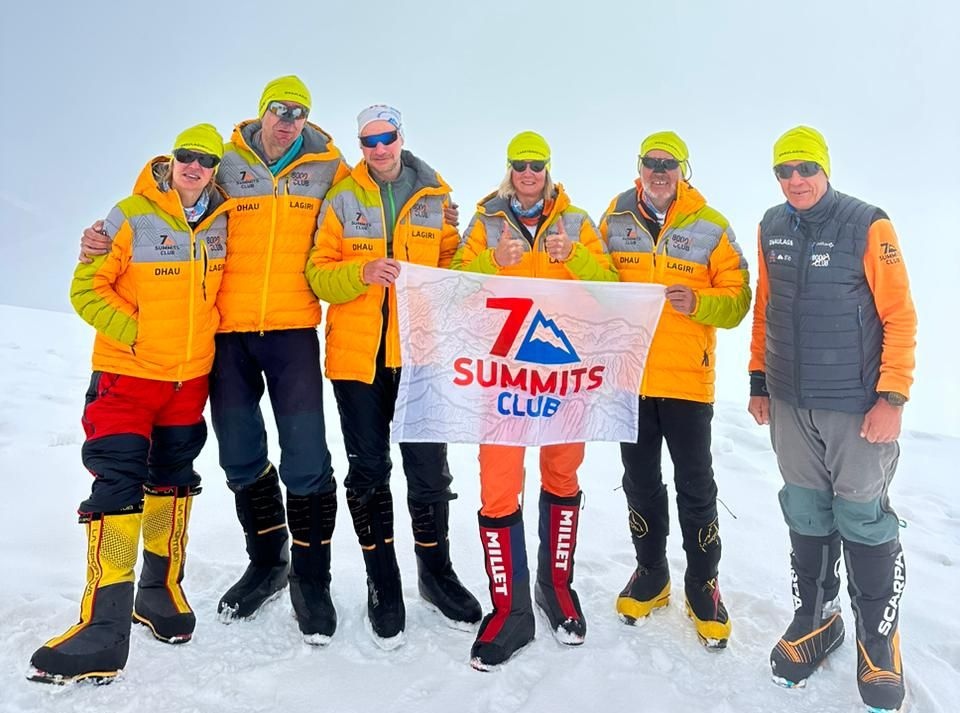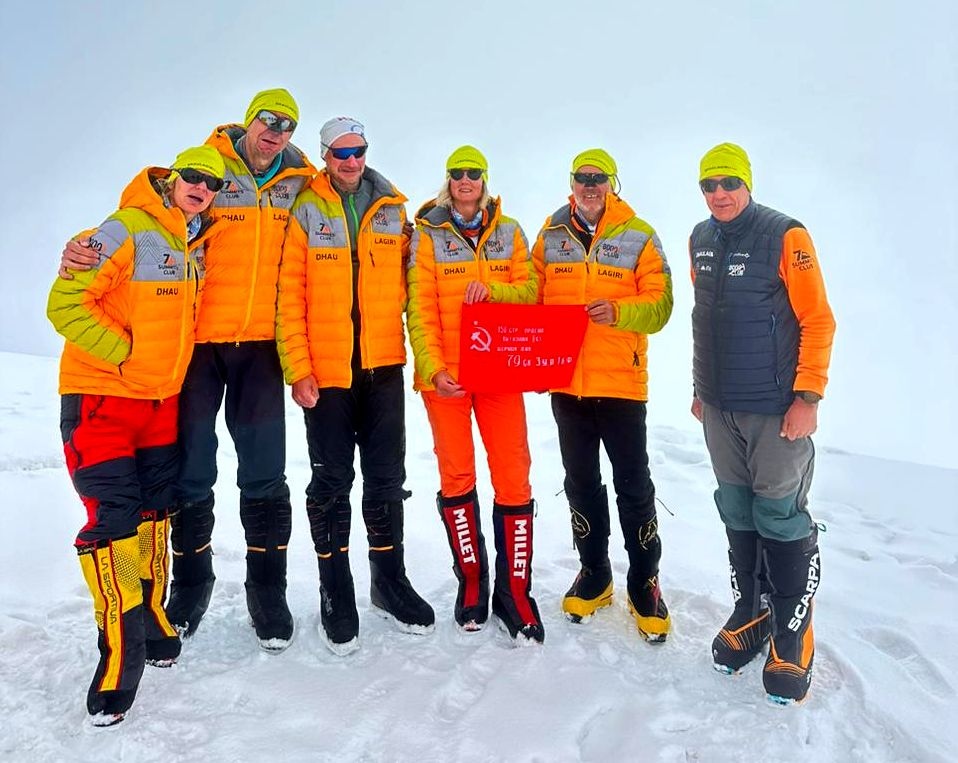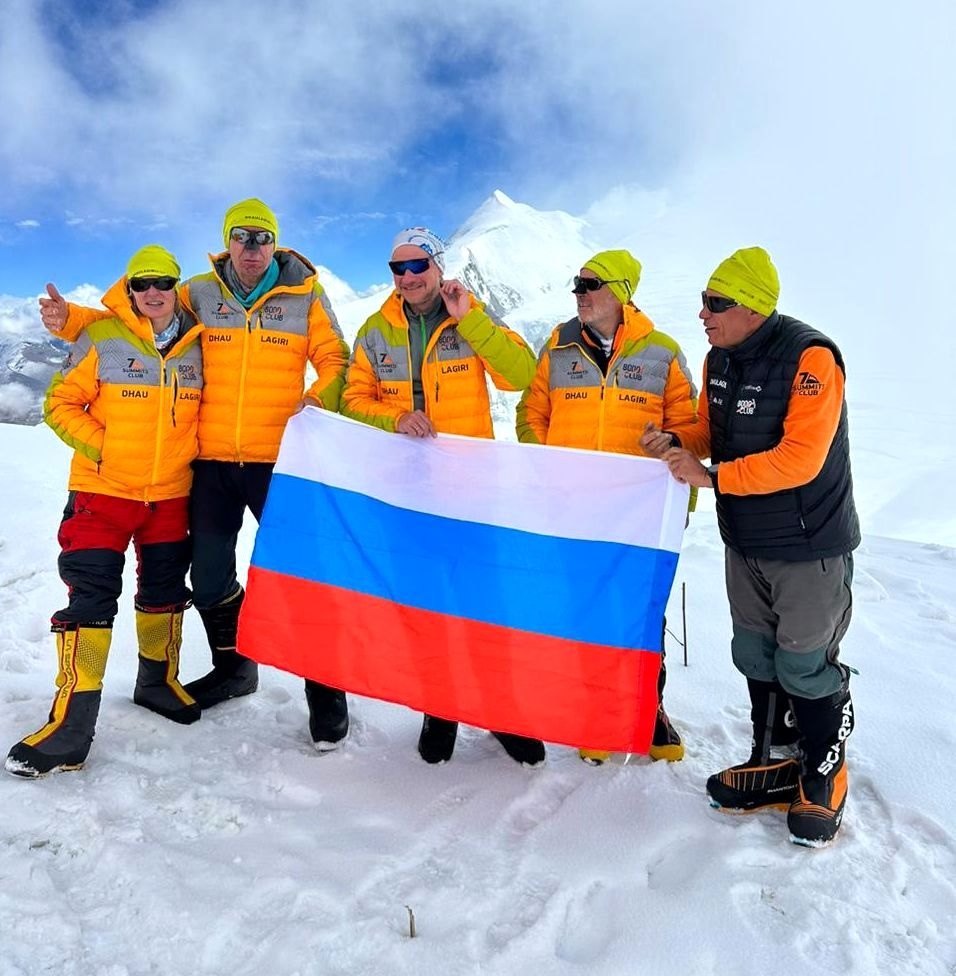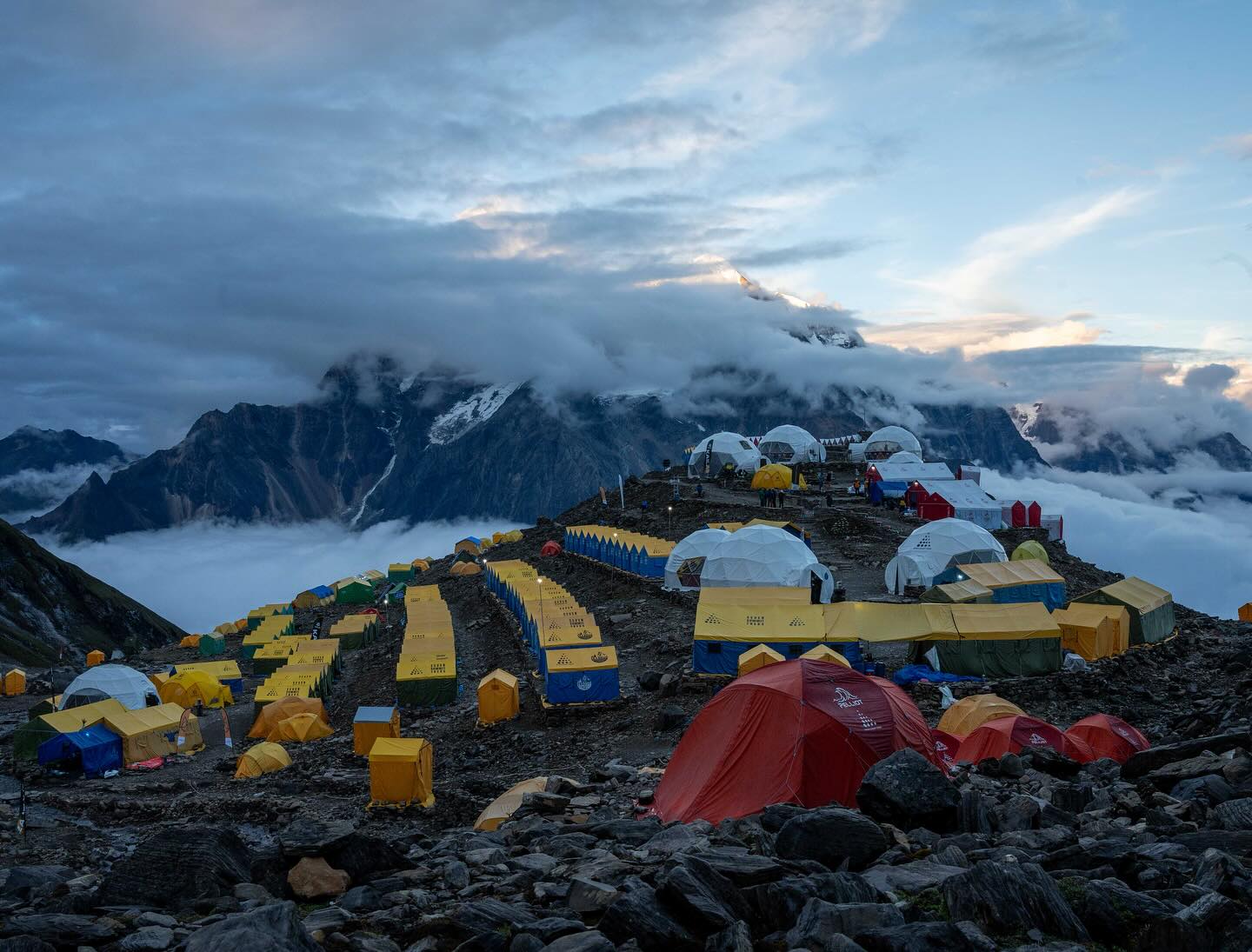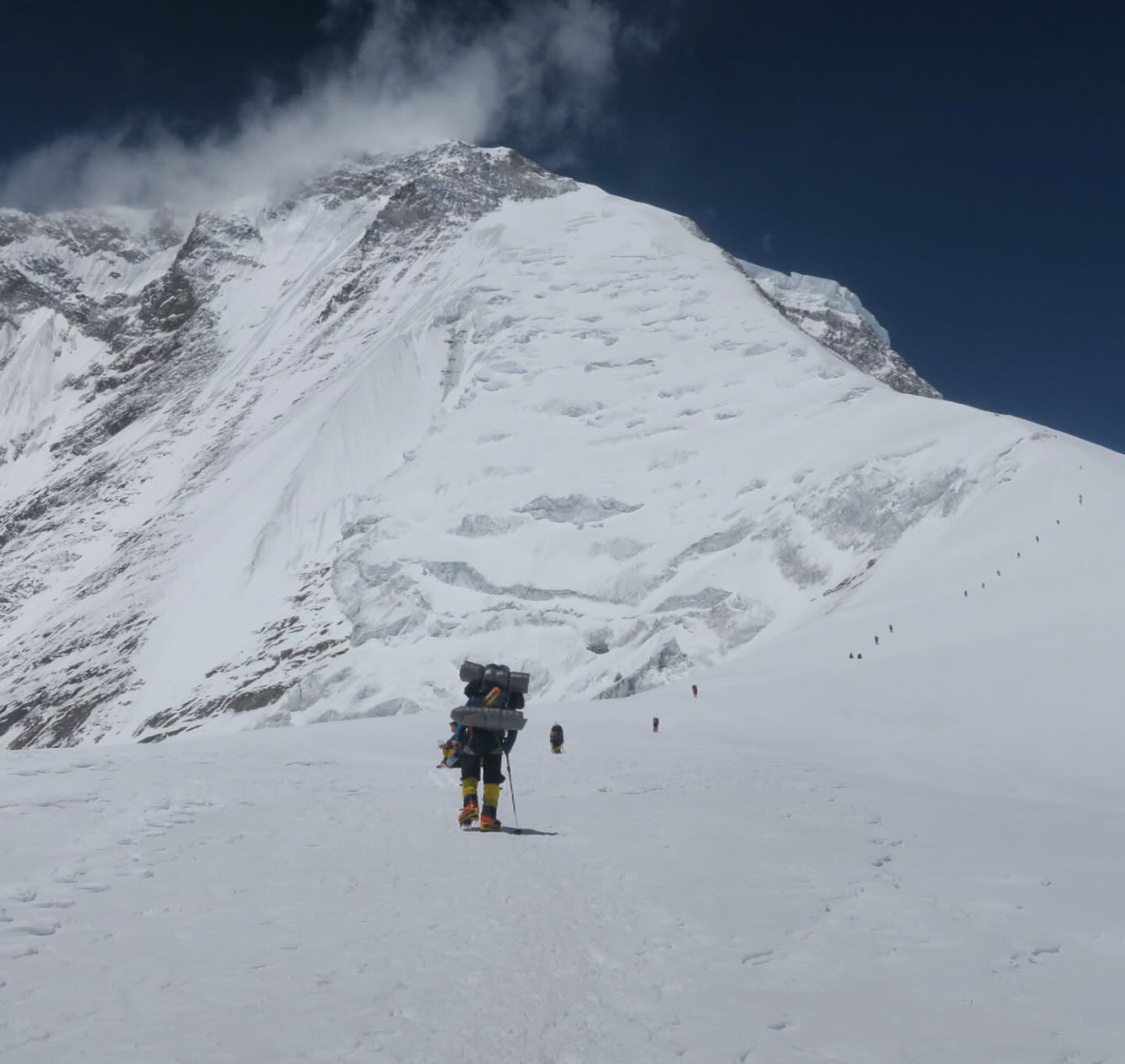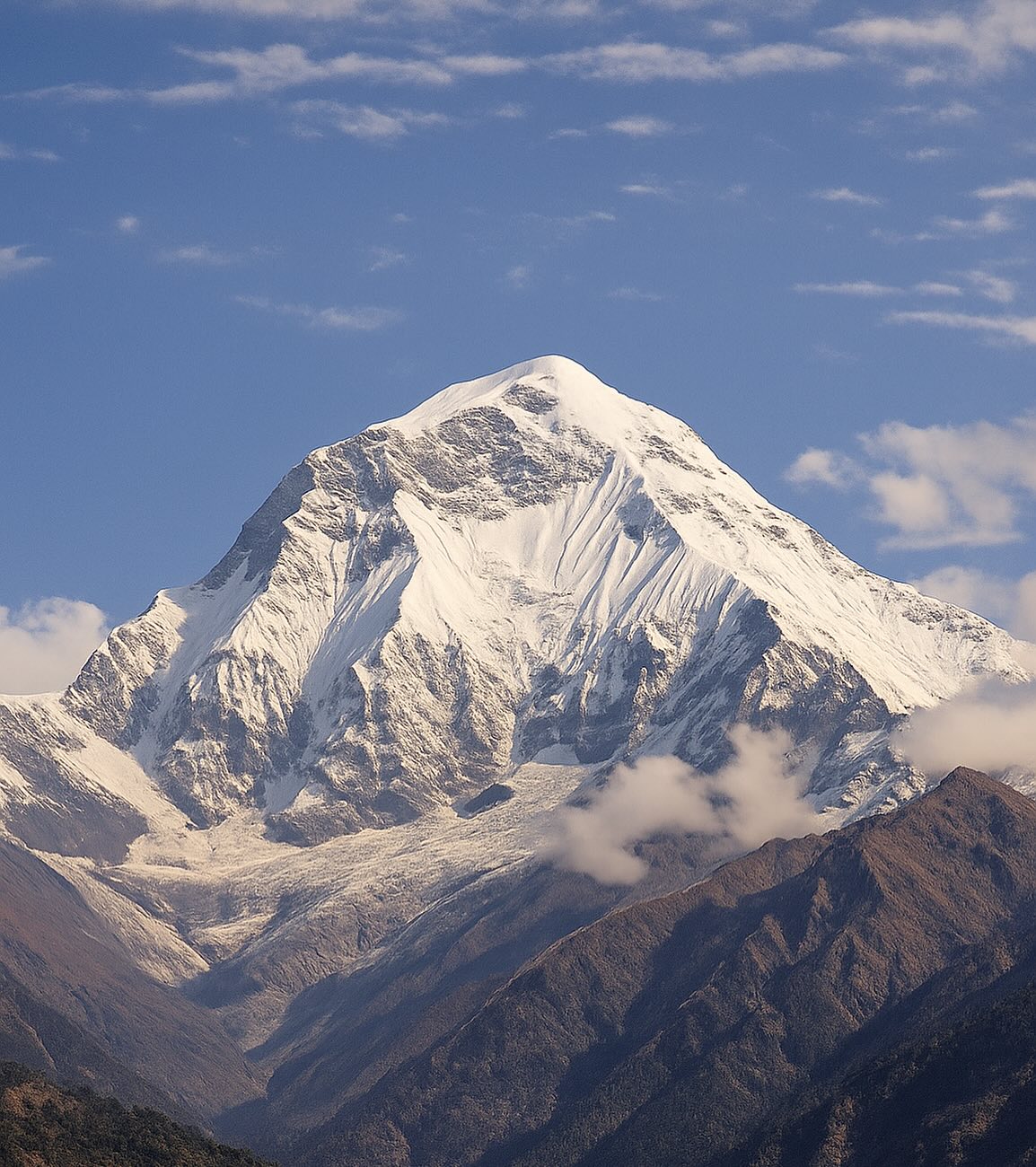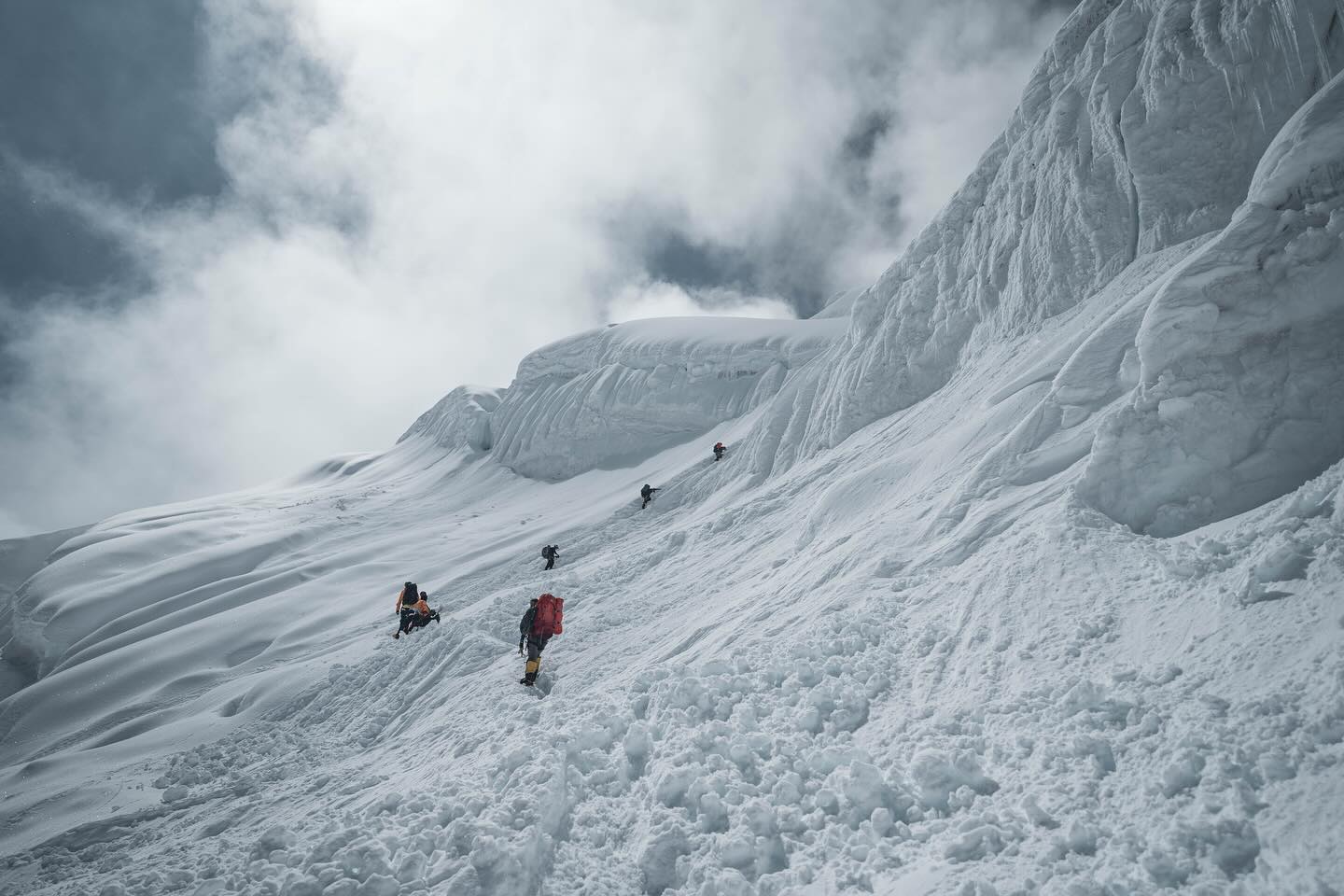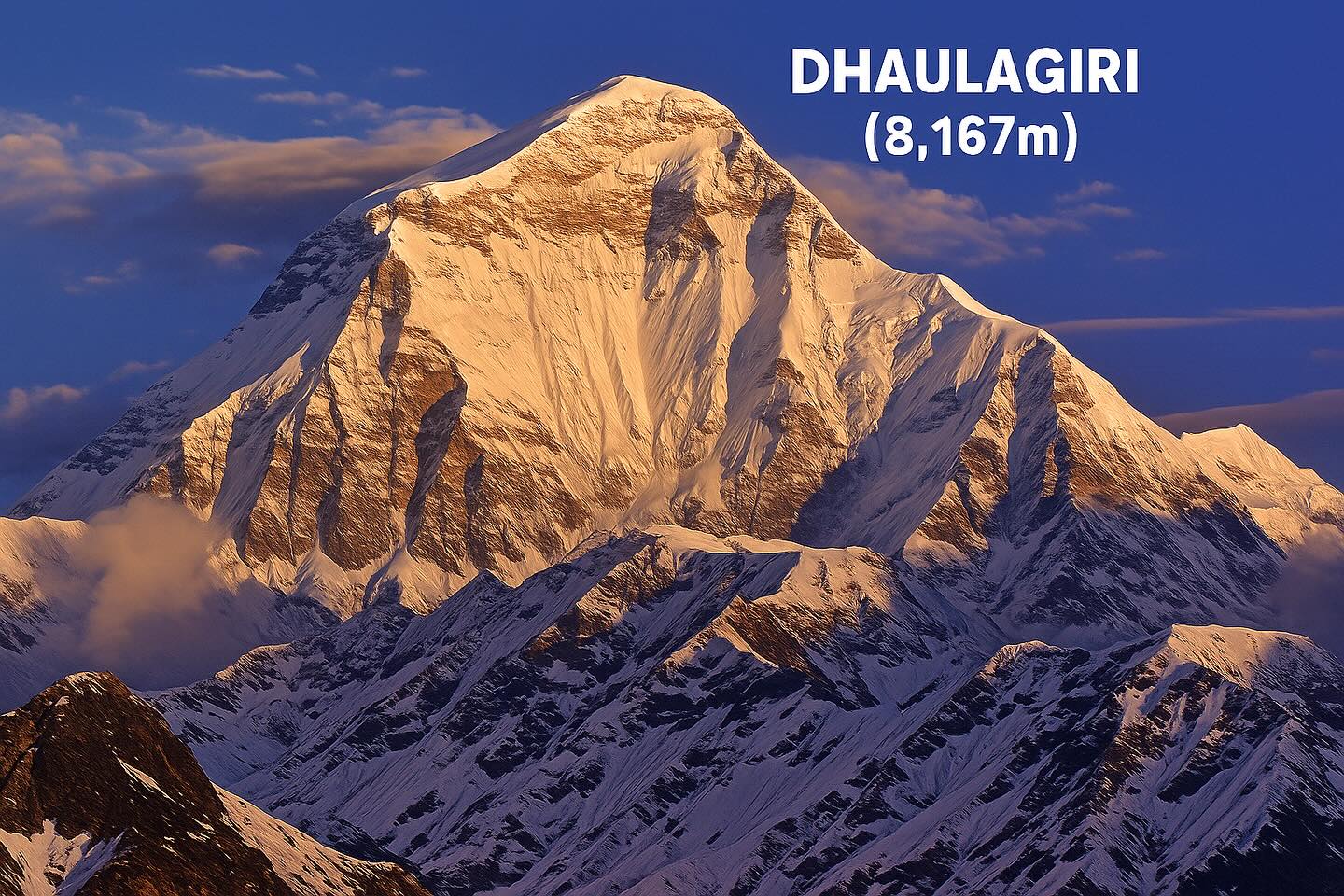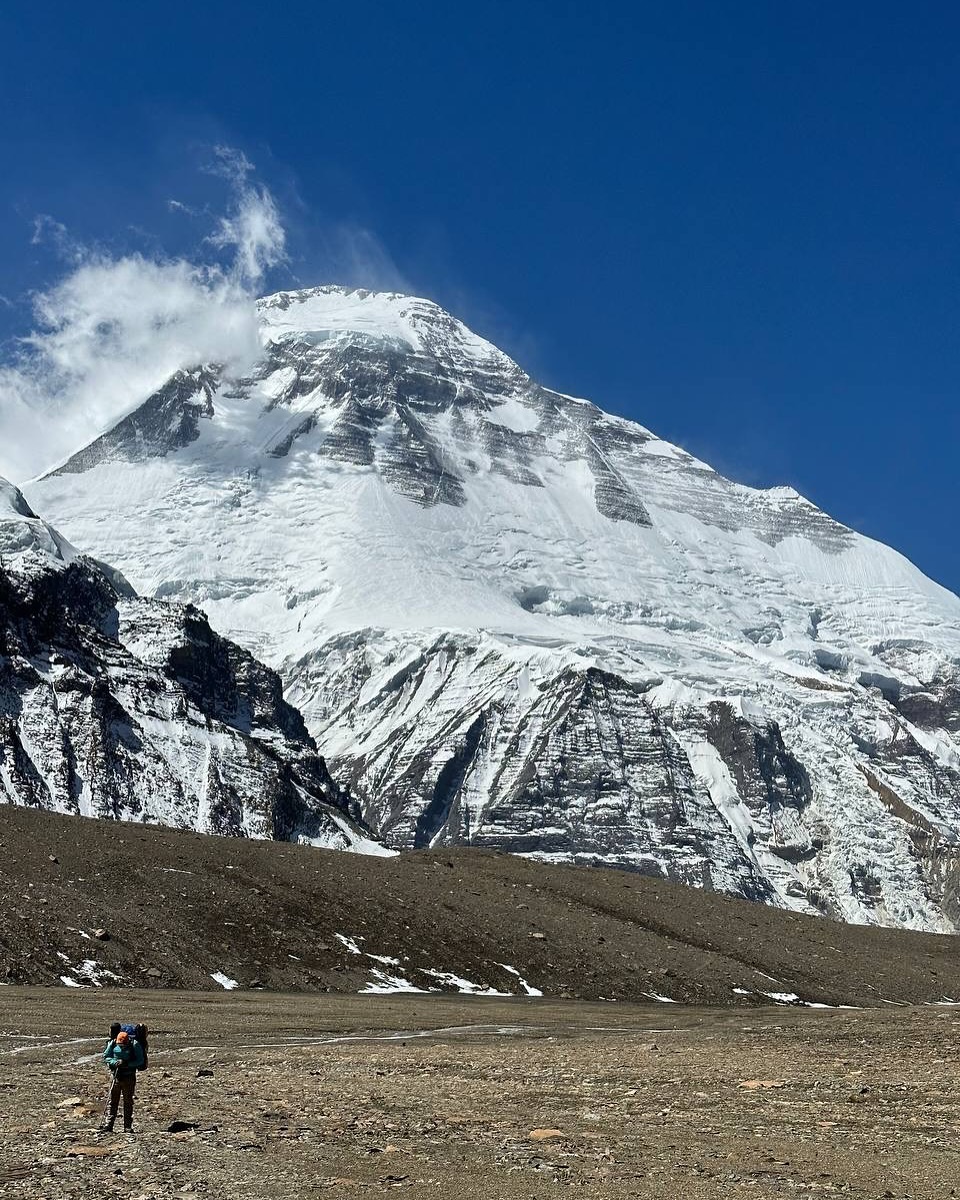
Dhaulagiri, the shining white mountain, in north-central Nepal, is one of the most spectacular and fascinating climbing challenges in the Nepalese Himalayas.
Nepal
Mt. Dhaulagiri
40 días
NE- Ridge Route
7
28°41'48"N 83°29'39"E
Live weather report
Dhaulagiri Range
Dhaulagiri, It is the fifth highest peak in Nepal and the seventh highest in the world, with an elevation of 8,167 meters above sea level. This mountain is located in the Northwest Corridor of Nepal, in the Myagdi District. Mount Dhaulagiri stretches approximately 120 kilometers from the Kaligandaki River to the Bheri River to the west. The name “Dhaulagiri” is derived from the Sanskrit words “Dhawala” and “Giri,” meaning “White” and “Mountain,” respectively. Mount Dhaulagiri is also the highest point in the Gandaki River basin. Annapurna I, located 34 kilometers east of Dhaulagiri I, forms a gorge, known as the Kaligandaki Gorge, the deepest in the world, through which the Kaligandaki River flows.
Dhaulagiri is considered one of the most fascinating peaks to climb. Mount Dhaulagiri has five ridges and south and west faces. Most ascents have been made via the first route, known as the “Normal Route.” The northeast route is considered the normal route; however, Mount Dhaulagiri has been climbed from all directions. It was the Swiss-Austrian team of mountaineers, led by Kurt Diemberger, who first reached the summit on May 13, 1960. As all routes on Dhaulagiri are challenging, only experienced climbers seem to be interested in this mountain.
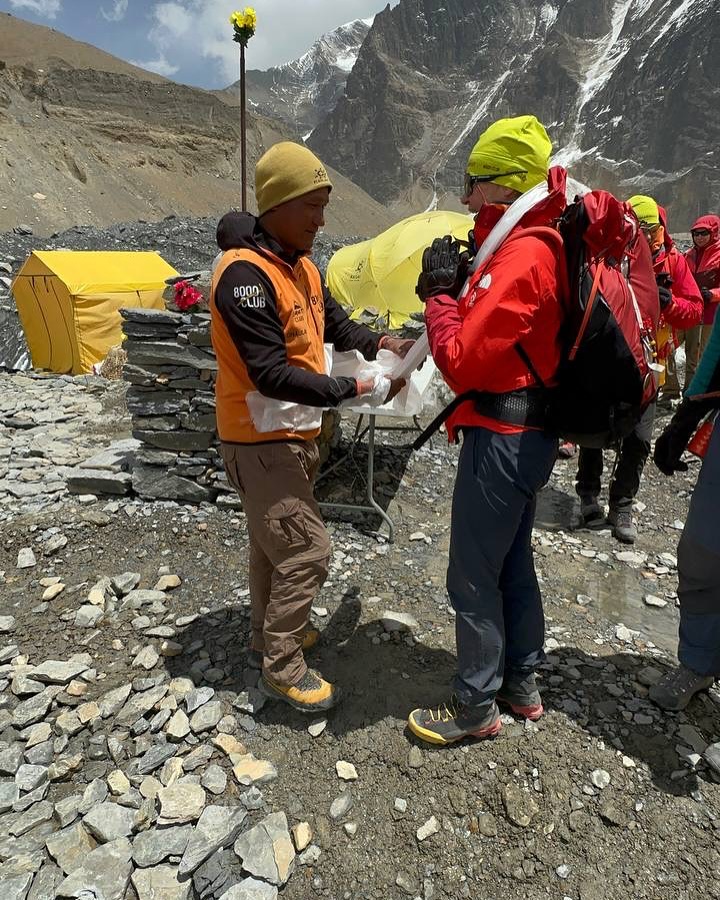
Base camp is usually located at around 4,750 m, followed by three additional camps before reaching the summit. The first camp is at 5,850 m, the second at 6,400 m, and the last at 7,400 m.
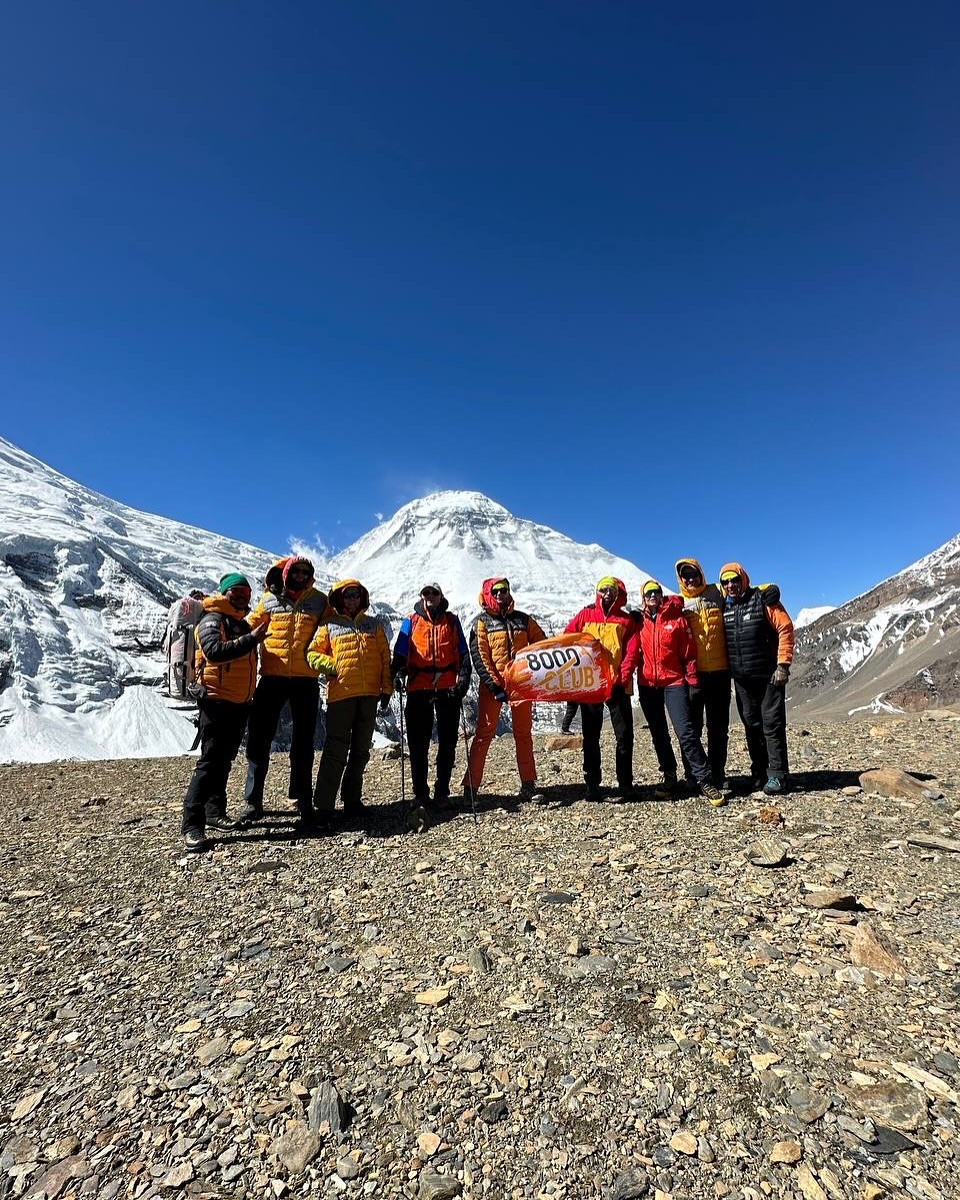
8,167m / 26,795ft
5-6 hours
Hotel + Lodge + Tent
Spring/Autumn
2 - 15 PEOPLE
Airfare to and from Kathmandu.
Visa fee ($125 USD for 90 days).
Lunches and dinners in Kathmandu and Pokhara (and in case of early return).
Additional stays in Kathmandu, Pokhara, or lower villages due to rest or logistical changes.
Mandatory: Medical coverage, rescue, air evacuation, and repatriation (submit copy before the trip).
Calls, internet during trek, laundry, hot showers, soft drinks, and alcoholic beverages.
Technical clothing, personal climbing equipment, private medical kit, and toiletries.
Fees for professional filming, video cameras, or drone usage.
Bonus for each climbing Sherpa: Minimum $1,500 USD.
Minimum contribution: $100 Porter, $100 Guide, $300 Base & High-Altitude Staff.