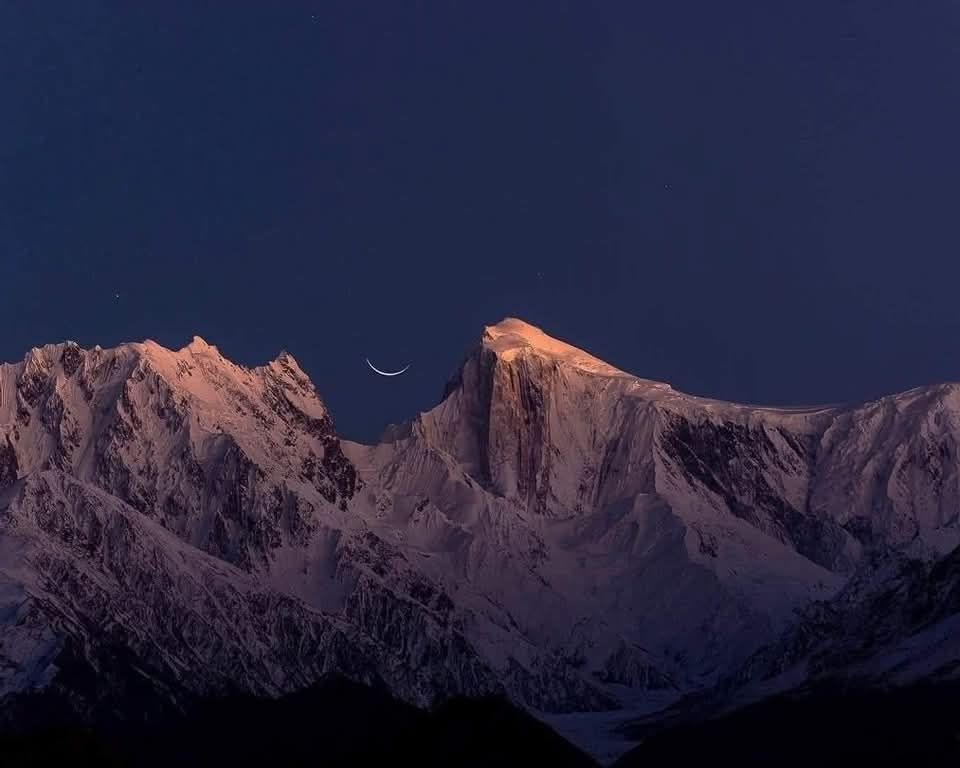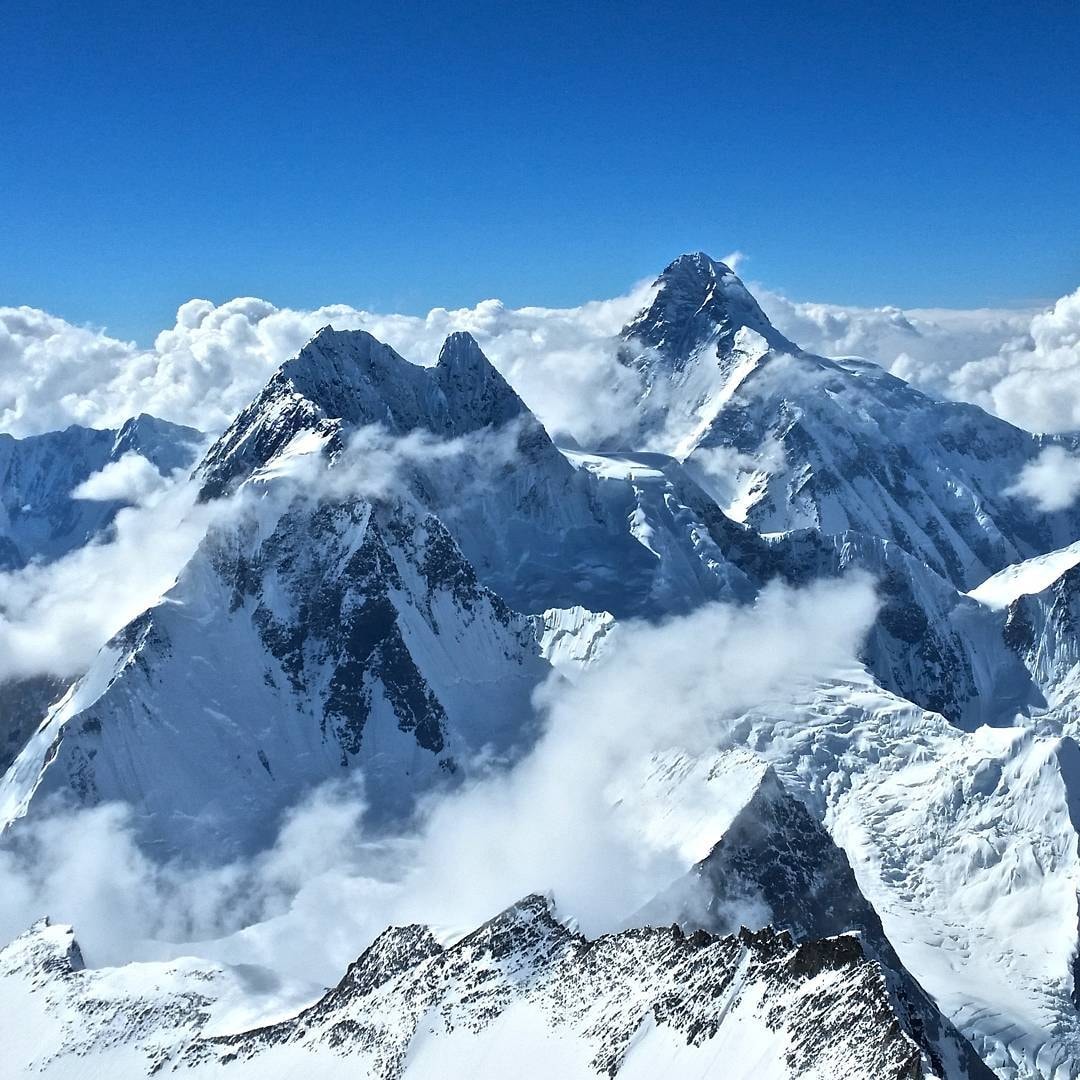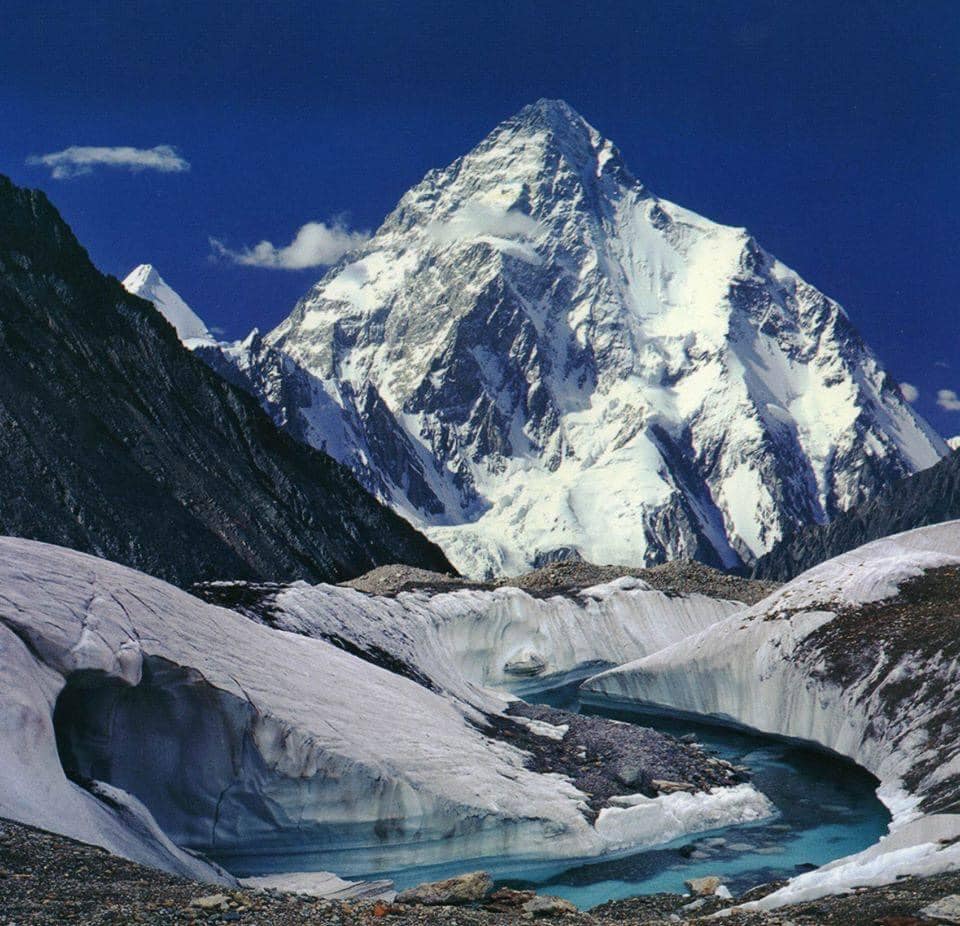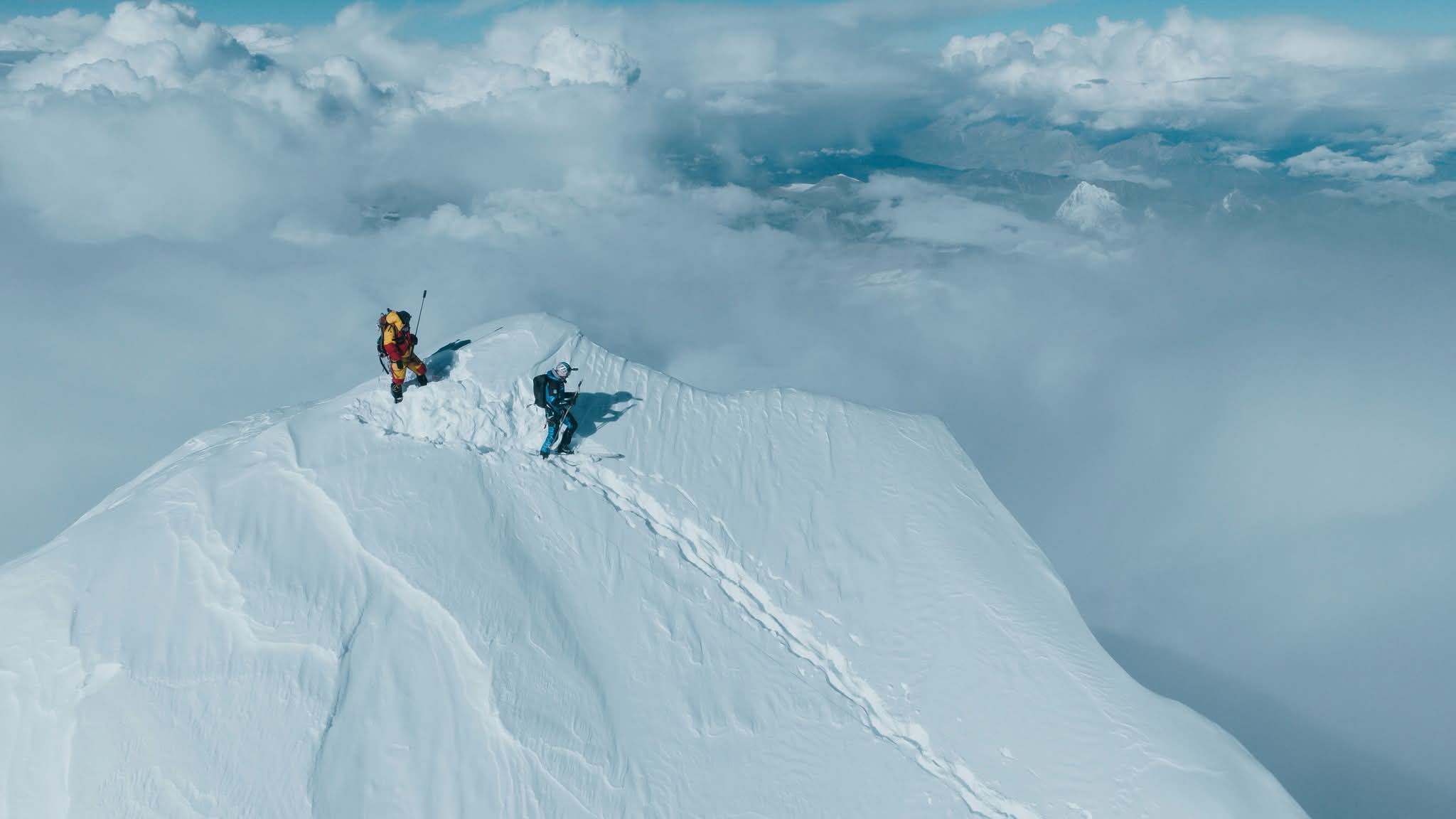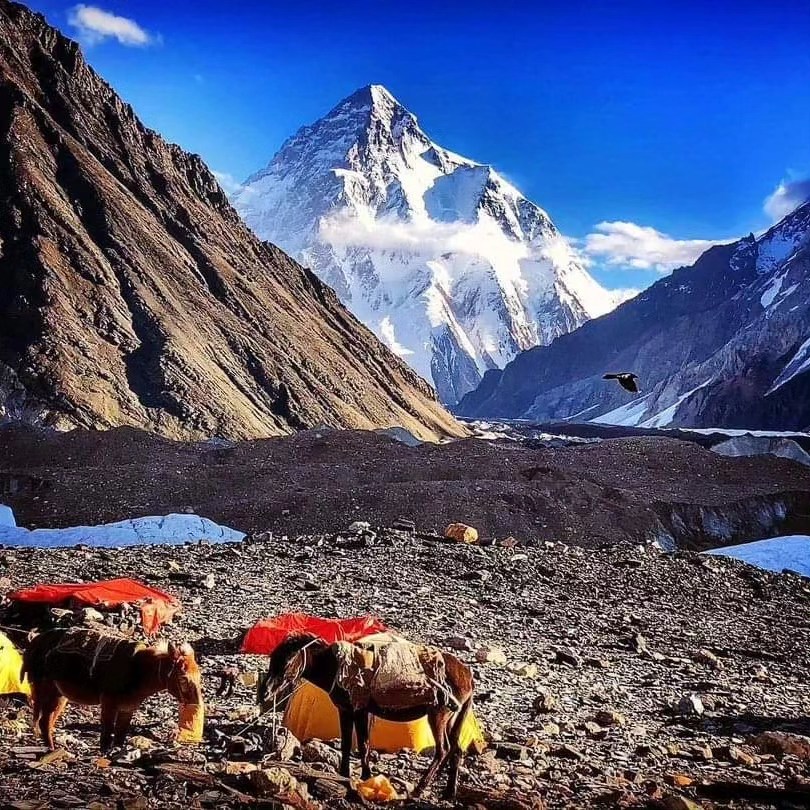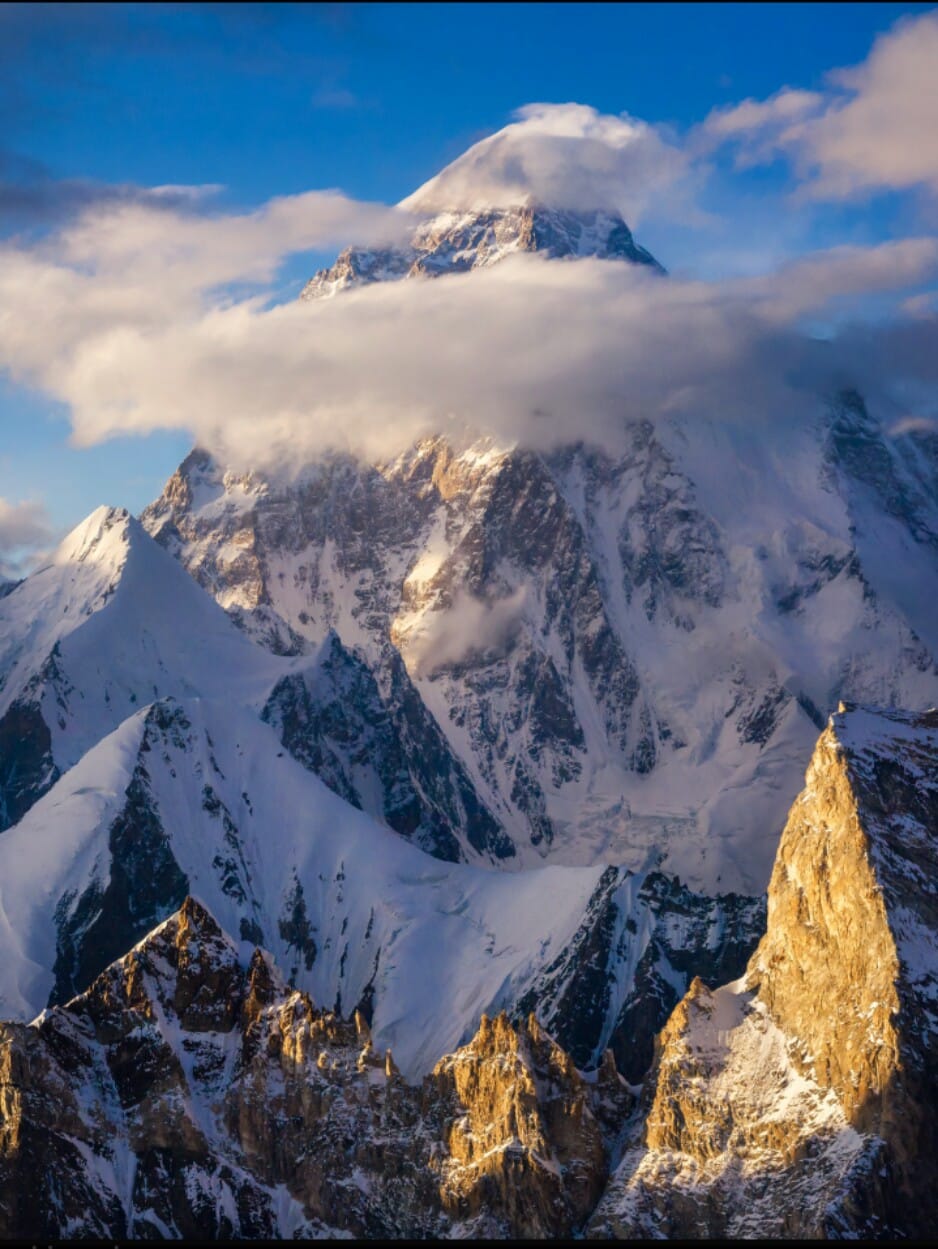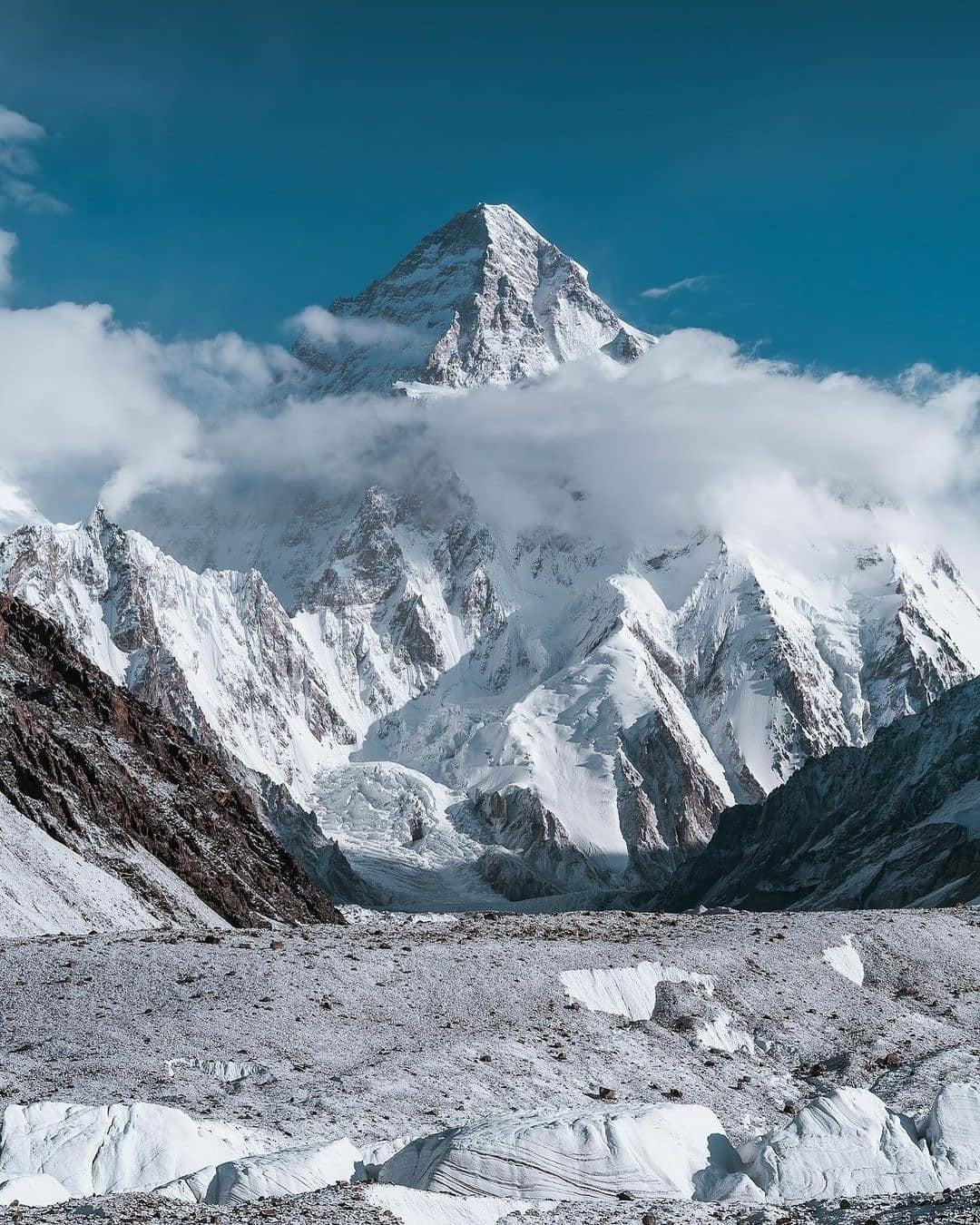
K2, popularly known as “The Savage Mountain”, at 8,611 m (28,251 ft) above sea level, is the second highest mountain on Earth, after Mount Everest, at 8,848.86 m (29,032 ft).
Pakistan
Mt. K2
52 days
Abruzzi Spur Route
2
35°52'51"N 76°30'48"E
Live weather report
Karakoram Range
K2, Mount K2, also known as Chogori or Qogir, is the second highest mountain in the world, with an altitude of 8,611 meters (28,251 feet) above sea level. It is located in the Karakoram mountain range, on the border between Pakistan and China. K2 has been described as “killer” and “wild,” and by the legendary mountaineer Reinhold Messner, “the mountaineer’s mountain.” The terrain of K2 is rocky up to 6,000 meters; above this altitude, it becomes a sea of snow and is known for its steep and challenging ascent, considered one of the most difficult and dangerous mountains to climb.
K2 was first explored by the British in 1856, but it wasn’t until 1902 that an attempt was made to climb it, and the first successful ascent was achieved then. Later, in 1909, another major expedition to K2 was undertaken, led by the Duke of the Abruzzi, a renowned royal mountaineer. The mountain was finally successfully climbed on July 31, 1954, by an Italian team led by A. Desio, who guided Lino Lacedelli and Achille Compagnoni to the summit.
The challenge of climbing such an incredibly vertical and dangerous mountain is one of the main motivations that lead professional climbers to attempt K2. The mountain is known for its technical and physical demands, and reaching the summit is considered one of the greatest achievements in world mountaineering. The adventurous spirit and the opportunity to test one’s limits can also be key factors in deciding to climb K2. We are proud to say that we have a high success rate on K2. We are recognized as one of the best K2 expedition organizers. The expedition will be fully supported by a team of veteran and technically skilled Nepalese Sherpas from Seven Summit Treks, all with prior experience climbing K2. The Sherpa team possesses in-depth climbing knowledge, risk management skills, and a friendly demeanor, and is highly motivated to ensure the K2 expedition is safe and successful.
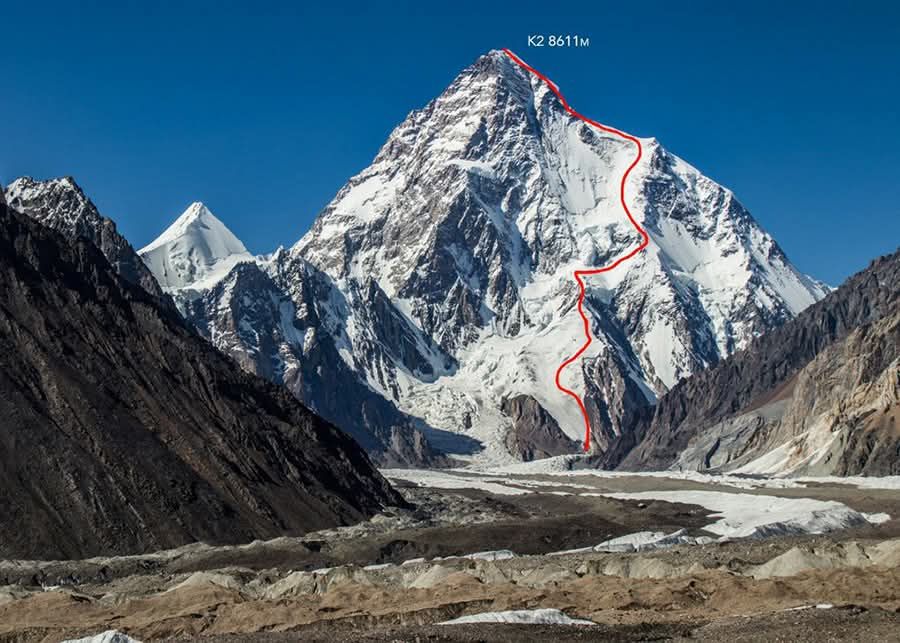
The Seven Summit Treks K2 expedition will begin the third week of June from Islamabad, with a subsequent flight to Skardu. The elevation gain from base camp to the summit exceeds 3,500 meters, where four additional camps will be established to facilitate the ascent and acclimatization. The route goes from base camp to Camp 1, Camp 2, and the House Chimney, and ascends from the Black Pyramid to Camp 3 and finally to Camp 4 (7,950 m / 6,083 ft), below The Shoulder (8,000 m) of K2. The expedition will be a direct attempt via the Abruzzi Spur, passing Bottleneck (8,210 m), to the summit (8,611 m / 28,251 ft) and descending to Camp 4/3 (safe zone). K2 Expedition Leader (2025): Chhang Dawa Sherpa
Mr. Chhang Dawa Sherpa (born July 30, 1982), expedition director for Seven Summit Treks, is the second Nepalese person to have successfully summited all 14 of the world’s 8,000-meter peaks. As in previous years, he will lead and guide the entire SST team on K2, an expedition that achieved great success in 2012, 2014, 2018, 2019, 2022, 2023, and 2024 under Dawa’s leadership. Under his leadership, SST successfully completed expeditions to 8,000-meter peaks in Nepal, China, and Pakistan. The world-renowned first winter expedition to K2 was also undertaken under his leadership in 2021.
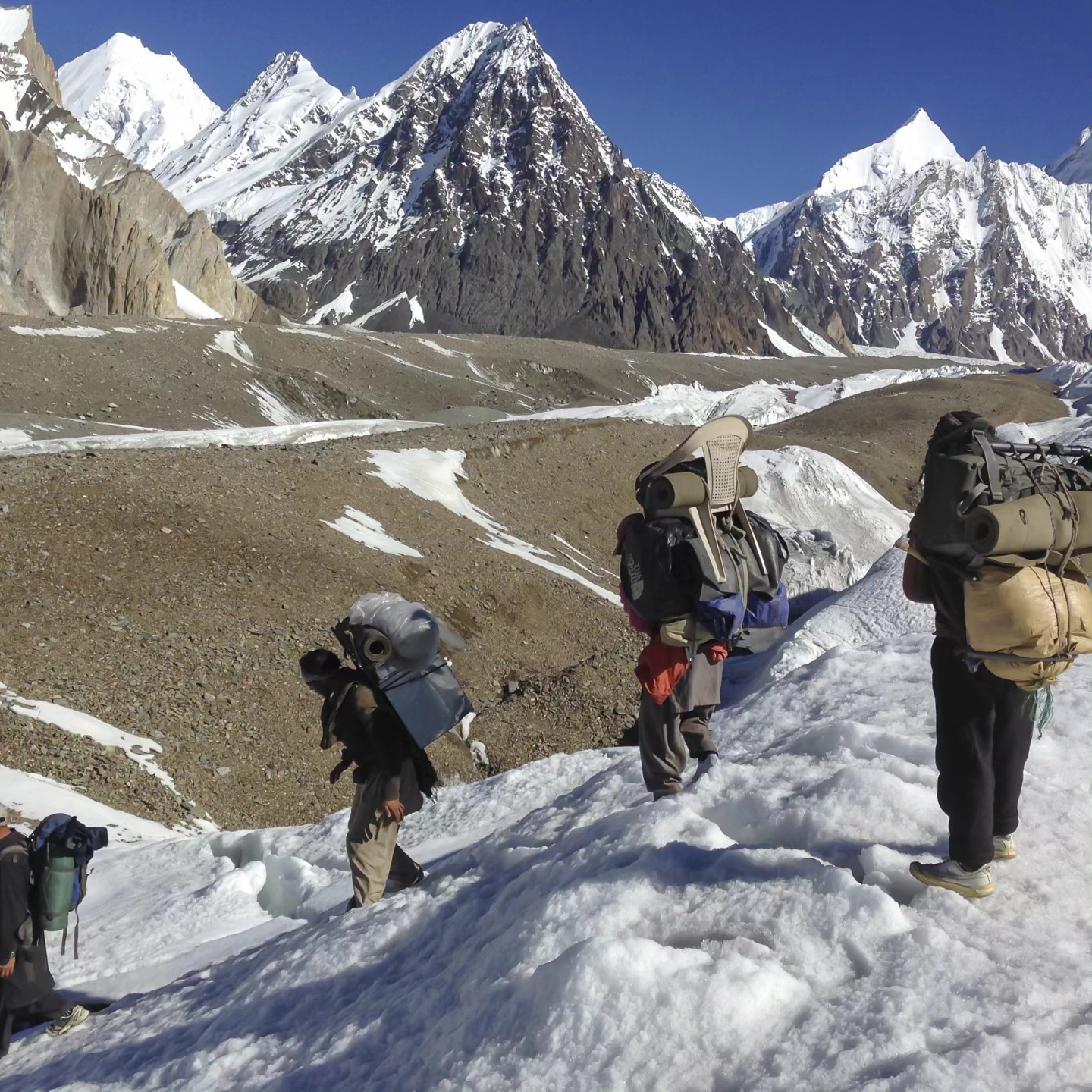
Scenic flight to Skardu, drive to Jhola, and trek to Base Camp, which is reached at an altitude of 5150 m. The trek to Base Camp offers magnificent views of the Karakoram. After 6 days of trekking, you will arrive at K2 Base Camp. At Base Camp, our best team of Sherpas will be waiting for you. Seven Summit Treks boasts the best Base Camp setup. You will spend approximately one month at Base Camp. Each member will have an individual tent and will share the mess hall, kitchen, showers, communications, and toilets. Before ascending, we will hold a grand puja ceremony at base camp to wish for good luck and a safe climb.
Once you arrive at base camp, your personal climbing sherpa or team leader will review basic and advanced training. For optimal acclimatization, once the sherpa team has fixed the rope, you will ascend to Camp I, located at 6,000 m altitude. On this section of the climb, you will encounter mixed terrain with some crevasses, sections of rock, and ice on the glacier. This will take you 5 to 6 hours of climbing. We will make frequent rotations at Camp I and back to base camp.
The climb from Camp I to Camp II is the most difficult and challenging section. In this section, you will encounter the Black Chimney, some rocky sections, and a steep climb, but there will be fixed ropes, so you will be able to climb safely with our sherpa, which is our top priority. This section of climbing will take between 4 and 5 hours.
The ascent from Camp II to Camp III is a long climb. There you will encounter the Black Pyramid. It will take 5 to 6 hours. You will climb with the Sherpa using a fixed rope.
The climb from Camp III to IV only includes a snow section. It is slightly easier than the previous rocky section, although due to the high altitude, the climb becomes more challenging and the climber begins to consume oxygen from this point onward. During the climb, your personal guide will be with you at all times. This section of climbing will take 4 to 5 hours.
Ascending from Camp IV to the summit, at 8,211 m altitude, you reach the Bottleneck of K2. There, you’ll find a steep, rocky area and snow, very dangerous with a risk of avalanches. Once you’ve crossed this section, the easier parts begin.
The most important day is summit day. It’s the day of achieving the main goal for all climbers. It’s a dream come true. So, most climbers begin their summit attempt at midnight and will trek to the top for approximately 8 to 10 hours, reaching the summit around 8-10 am. The summit of K2 is breathtaking. You’ll be mesmerized by the beautiful view of different 8,000 m peaks like Broad Peak, G1, G2, and many other beautiful mountains of the Pakistani Himalayas. On the same day, after taking some photos, you will hike to Camp II, or base camp, which will take approximately 6 to 7 hours. Descending from the summit is also a challenging part of this expedition, so a safe descent is also a crucial aspect of summit day. Seven Summit Treks will have a Sherpa climber accompanying a member from Camp IV to summit day and back to base camp. The SST guide will carry the oxygen cylinders for the members and themselves. To safely reach the summit of K2, SST will always rely on the best weather forecasts, communication, and support from the base camp leader. Fixing the ropes to the summit is the primary responsibility of our Sherpa climber, so we greatly admire them for fixing the ropes and working tirelessly to ensure the group reaches the top. Camp I (6,000 m/19,685 ft)
Camp II (6,760 m/22,178 ft)
Camp III (7,350 m/24,114 ft)
Shoulder of Camp IV (7,950 m/26,083 ft)
Bottleneck (8,211 m/26,939 ft)
Summit (8,611 m/28,251 ft)
8,611 m / 28,251 ft
5-7 hours
Hotel + Lodge + Tent
Summer
2 - 15 PEOPLE
Air tickets to and from Islamabad.
Visa fee for 90 days.
Lunches and dinners in Islamabad and Skardu (outside itinerary).
Additional accommodation in Islamabad/Skardu due to early arrivals, early returns, or flight delays.
Mandatory: Medical coverage, high-altitude rescue, air evacuation, and repatriation.
Phone calls, internet, laundry, hot showers, and alcoholic beverages.
Technical clothing, personal climbing equipment, and toiletries.
Fees for drones, professional cameras, or special filming.
Bonus for climbing Sherpa: Minimum $2,000 USD.
Base and high-altitude camp staff: Minimum $400 USD.