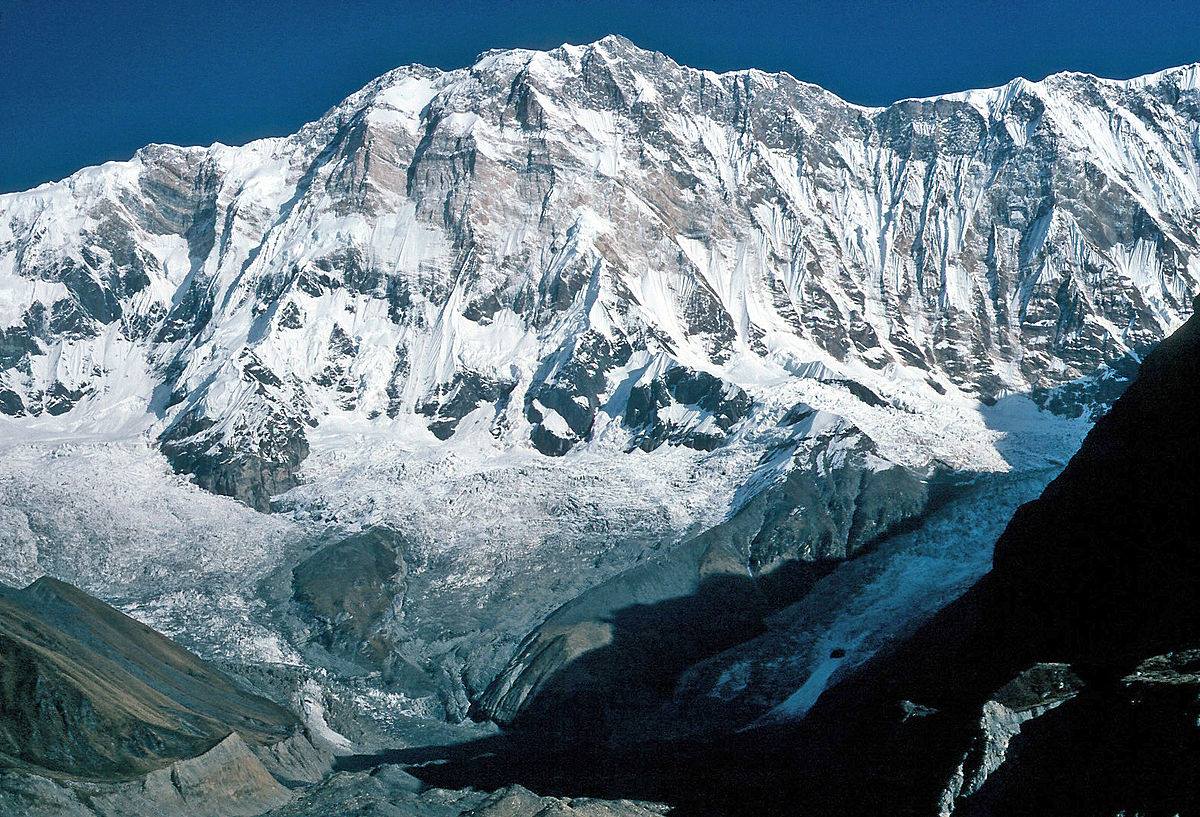
Annapurna I is the tenth highest mountain in the world at 8,091 m (26,545 ft) above sea level and is well known for the difficulty and danger involved in its ascent.
Nepal
Mt. Annapurna I
41 days
North Face
10
28°35'45"N 83°49'15"E
Live weather report
Annapurna Range
Annapurna I, Commonly known as Annapurna, it is the tenth highest mountain in the world at an altitude of 8,091 m (26,545 ft) above sea level. It is located in the Himalayas of north-central Nepal and is part of the Annapurna Massif, a mountain range that includes Annapurna I as the only 8,000-meter peak and several other peaks over 7,000 m (22,966 ft). Annapurna I is considered one of the most challenging and dangerous mountains to climb due to its steep slopes, exposed routes, and frequent avalanches and landslides along the climbing route. It rises east of the Kali Gandaki Gorge, which separates it from the Dhaulagiri Massif, 34 km to the west. The gorge between them is considered the deepest on Earth. In Sanskrit, Annapurna means “full of food” and is commonly associated with the Goddess of Harvests and the Goddess of Fertility.
Annapurna I was first climbed by a French expedition in 1950. The expedition initially intended to climb Dhaulagiri, but was forced to turn back due to difficult conditions and a lack of resources. They then turned their attention to Annapurna. After weeks of struggle, Maurice Herzog (also the expedition leader) and Louis Lachenal reached the summit on June 3, 1950. It was the first 8,000-meter peak to be successfully climbed, and its summit was the highest ascent on Earth for three years, until Everest was climbed.
An expedition to Annapurna I requires excellent physical condition, technical climbing skills, and experience in high-altitude mountaineering. Proper acclimatization to the altitude, adequate equipment, and preparation for the risks of avalanches, landslides, and other hazards are also essential. Climbing a mountain like Annapurna I can also be a way to experience the beauty and majesty of western Nepal in a profound and intense way. The views from the summit are said to be breathtaking, with panoramic vistas of the surrounding Annapurna, Dhaulagiri, and Mansiri mountain ranges.
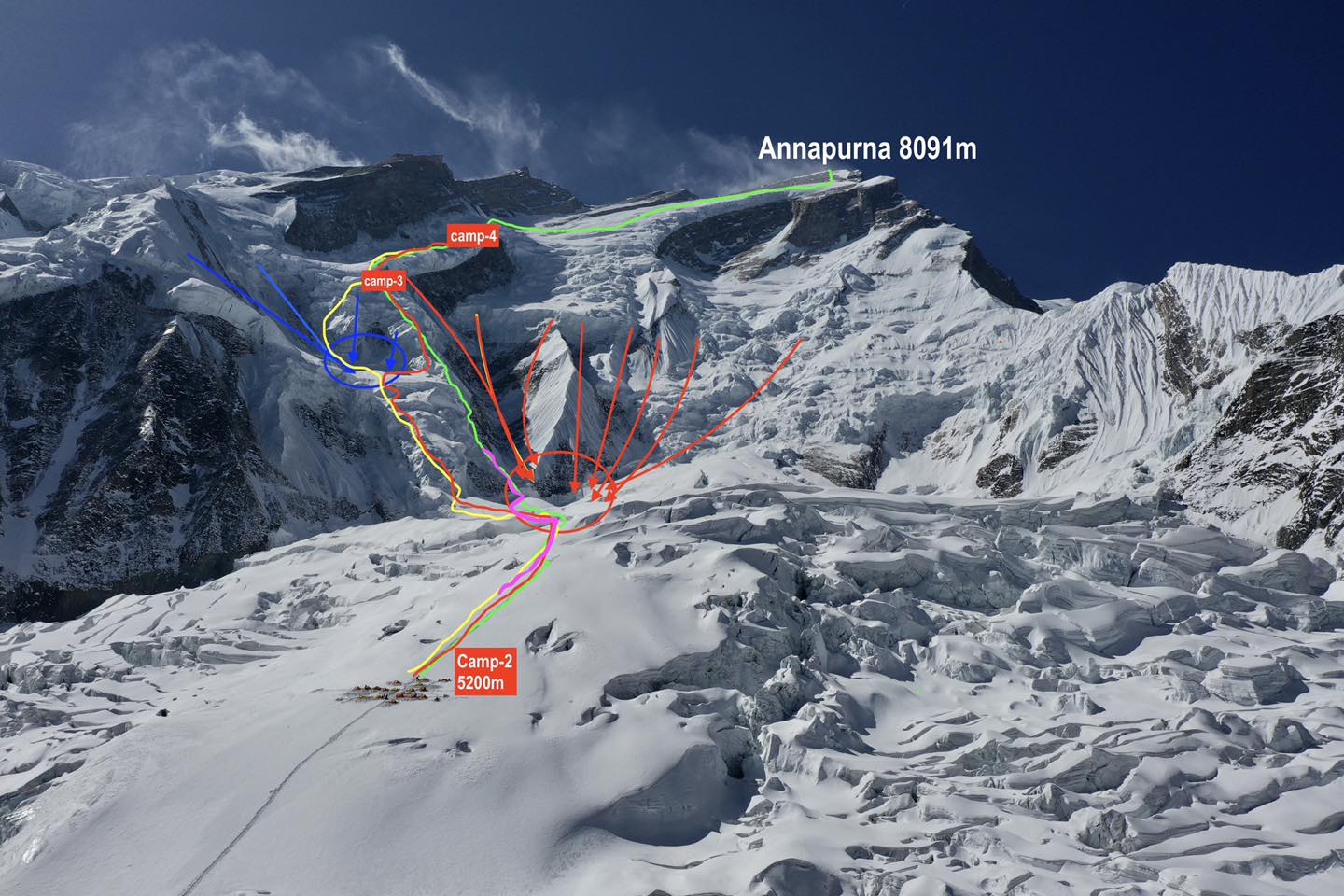
The Seven Summit Treks Annapurna I expedition will begin in mid-March from Kathmandu. You will have a couple of days to prepare your equipment and paperwork. Afterward, you will take a flight or vehicle to Pokhara and continue your trek or helicopter flight from Dana to base camp, depending on the itinerary. We will set up four camps and rotate frequently between them for optimal acclimatization. Base camp is typically located at 4190 m/13,747 ft, Camp I at 5150 m/16,896 ft, Camp II at 5700 m/18,700 ft, Camp III at 6500 m/21,325 ft, Camp IV at 7400 m/24,278 ft, and the summit at 8091 m/26,545 ft. Annapurna is one of the two most dangerous mountains in the world to climb (along with K2), with a terrifying summit fatality rate.
WHY CLIMB MOUNT ANNAPURNA I WITH SEVEN SUMMIT TREKS?
“We look forward to serving you and sharing our experience with you”
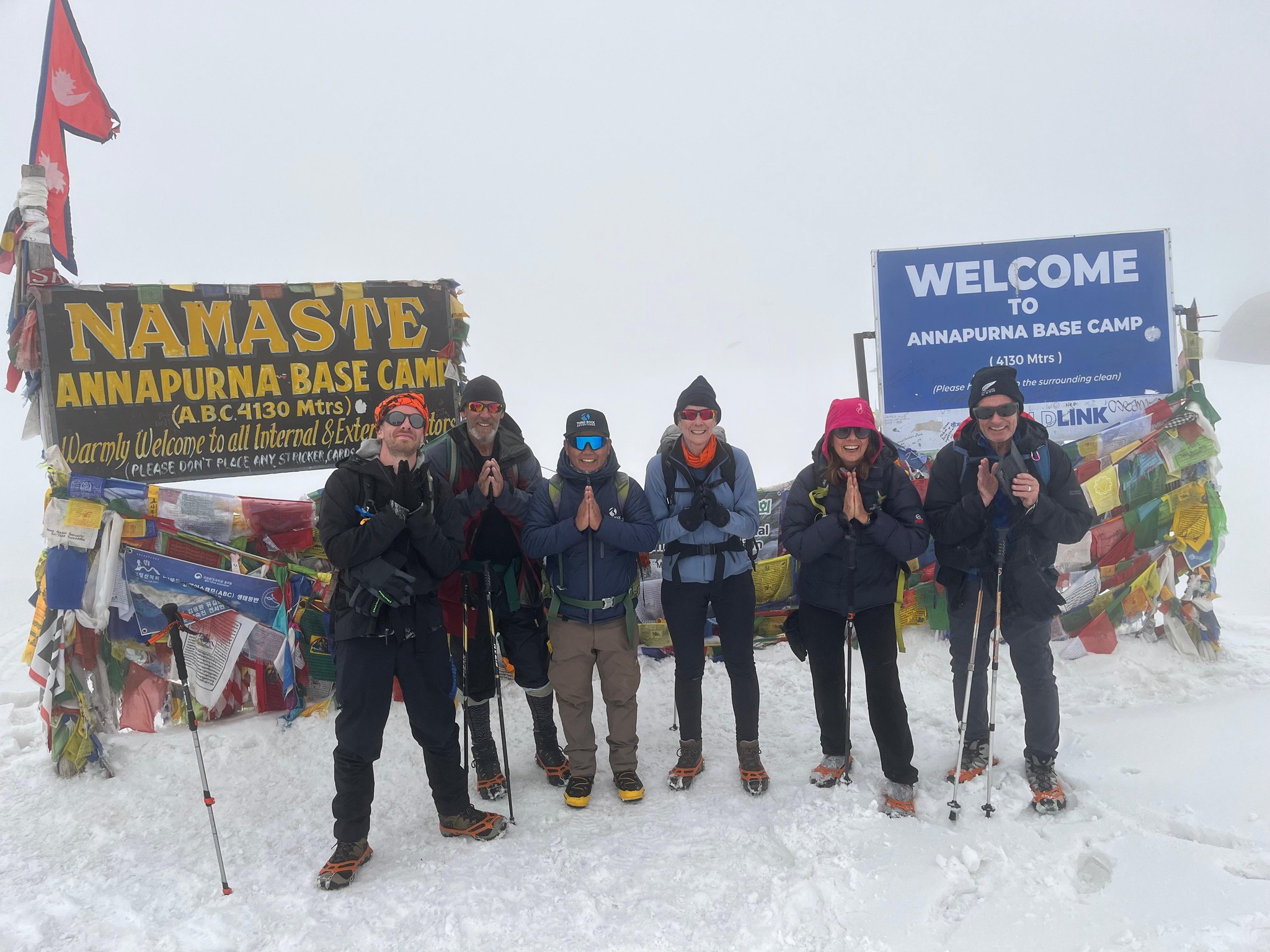
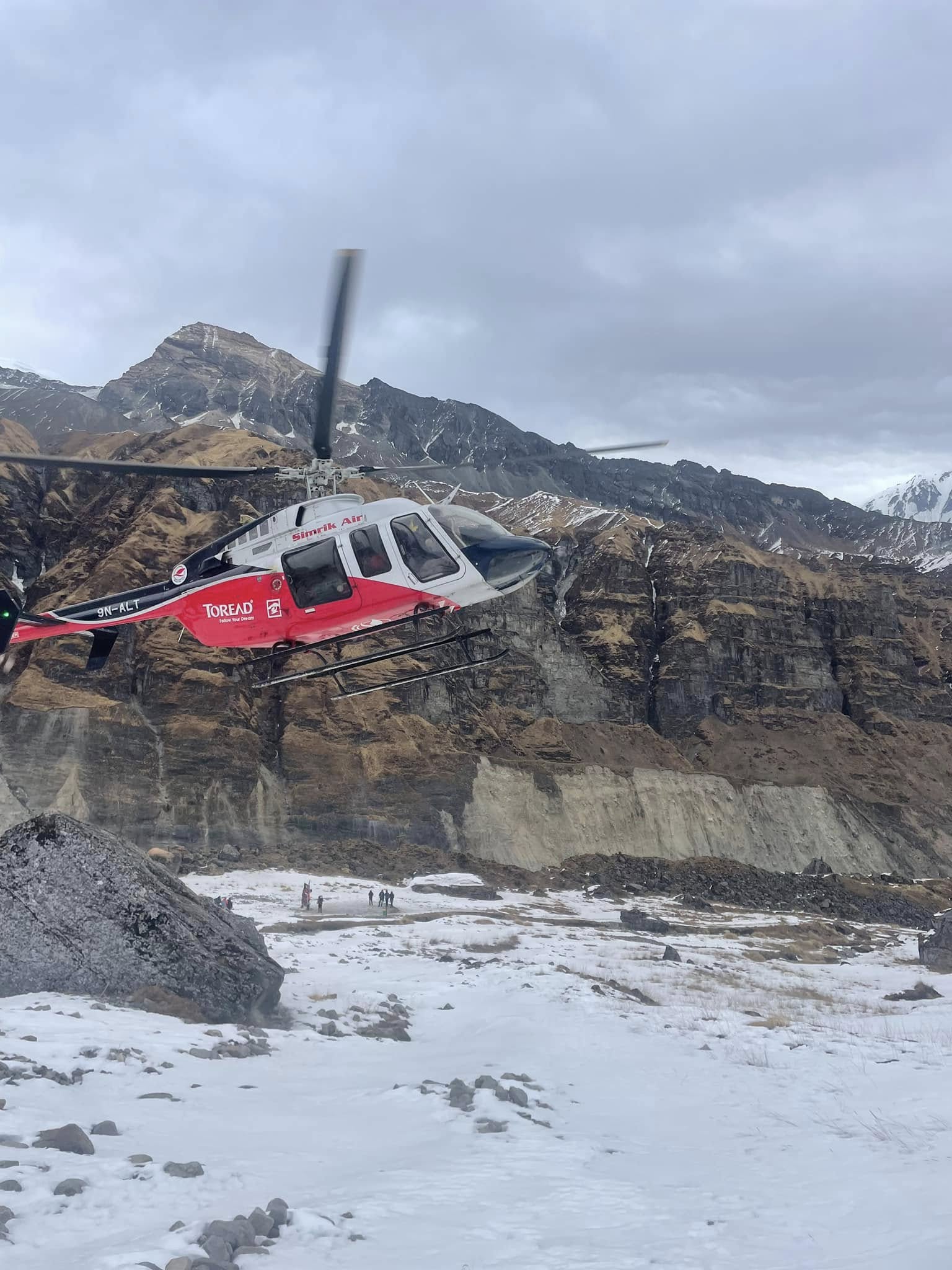
Fly to Pokhara and drive to Dana. On a charter helicopter flight, you will arrive at Annapurna Base Camp (4,190 m). Seven Summit boasts the best base camp. You will spend approximately one month there. Each member will have an individual tent, and there are also tents with a dining area, kitchen, showers, communication facilities, and toilets. Before ascending, we hold a large ceromantic puja at base camp to wish for good luck and a safe climb. It serves as a base for the rest of the climb and is where climbers can rest, acclimatize, and prepare for the next phase. Seven Summits offers frequent helicopter charter flights to base camp, and each flight includes plenty of fresh vegetables and meat, drinks, and sometimes bread.
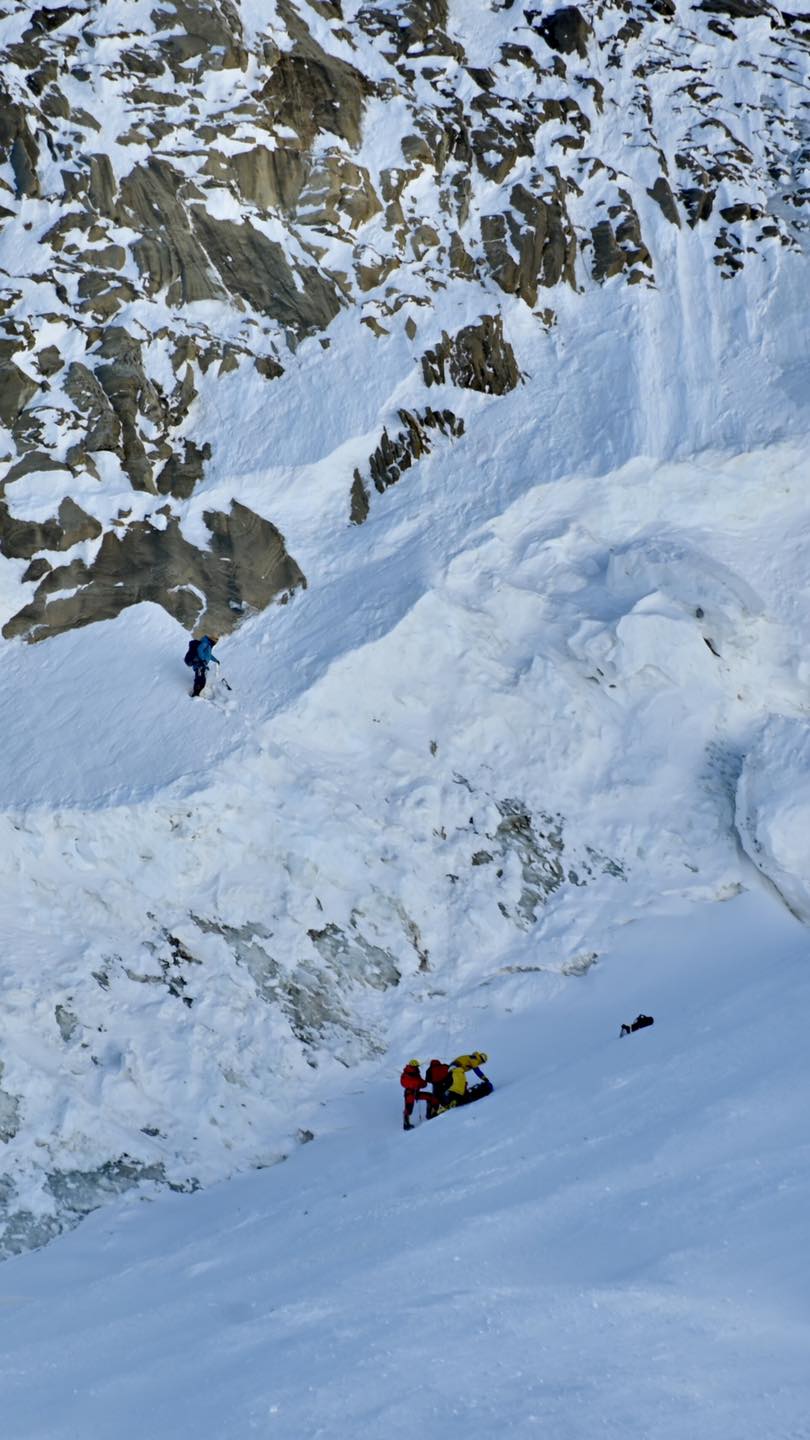
Once you arrive at ABC, your personal climbing sherpa or team leader will review basic and advanced training at base camp. You will then ascend to Camp I. For better acclimatization, once the sherpa team has fixed the rope, you will ascend to Camp I, which is at an altitude of 5,150 m. On this climbing section, you will encounter mixed terrain with a few crevasses and ice on the glacier section. This will take you 4 to 5 hours of climbing. We will rotate frequently at Camp I and back to base camp.
The climb from Camp I to Camp II is an intermediate ice section with some mixed climbing sections. In this section, some rock and glacier areas, as well as the central part of the glacier, are somewhat technical, but there will be fixed ropes throughout. The hike will take 4 to 5 hours.
The climb from Camp II to Camp III is a fairly long distance. It will only take 5 to 6 hours. It’s a long stretch, but easier. The fixed-rope climbing sherpa will be present for a safe climb.
This is the last camp before the summit and is usually located at around 7,400 meters altitude. The ascent to Camp IV is short, but there are crevasses, so caution is advised when ascending to Camp IV due to the altitude and low oxygen levels. From here, climbers take the final step towards the summit.
The most important day is summit day. It is the main goal of every climber. It is a day they dream of. That is why most climbers begin their ascent to the summit at dusk and hike for about 7 or 8 hours, reaching the top between 8 and 10 a.m. The summit of Annapurna is breathtaking. You will be captivated by the beautiful view of different 8,000-meter peaks. That same day, after taking some photos, you will descend to Camp III or Camp II, which will take about 5 or 6 hours. Descending from the summit is also a challenging part of this expedition, so safety on the descent is also a key aspect of summit day. Seven Summit Treks will have a Sherpa climber and a team member accompanying them from Camp IV to summit day and back to Base Camp. The SST guide will carry an oxygen bottle for the team members and themselves. For a safe summit of Annapurna, SST will always have guidelines for the best weather forecast, communication, and support from the Base Camp leader. Fixing ropes to the summit is the primary task of our Sherpa climber, so we greatly admire our Sherpa for fixing ropes, opening trails, and making every effort to ensure the group reaches the summit of Mount Annapurna. Camp I (5,150 m/16,896 ft)
Camp II (5,700 m/18,700 ft)
Camp III (6,500 m/21,325 ft)
Camp IV (7,400 m/24,278 ft)
Summit (8,091 m/24,278 ft)
8.091 m / 26.545 ft
5-6 hours
Hotel + Lodge + Tent
Spring
2 - 15 PEOPLE
Airfare to and from Kathmandu.
$125 USD for 90 days.
Lunches and dinners in Kathmandu and Pokhara (or in case of early return).
Additional accommodation due to itinerary or flight changes.
Mandatory: Medical coverage, rescue, evacuation, and repatriation.
Internet outside Base Camp, laundry, hot showers, and alcoholic drinks.
Technical clothing, personal climbing equipment, and toiletries.
Fees for drones or professional filming.
Climbing Sherpa bonus: Minimum $1,500 USD.
Minimum $400 USD for Base Camp staff.