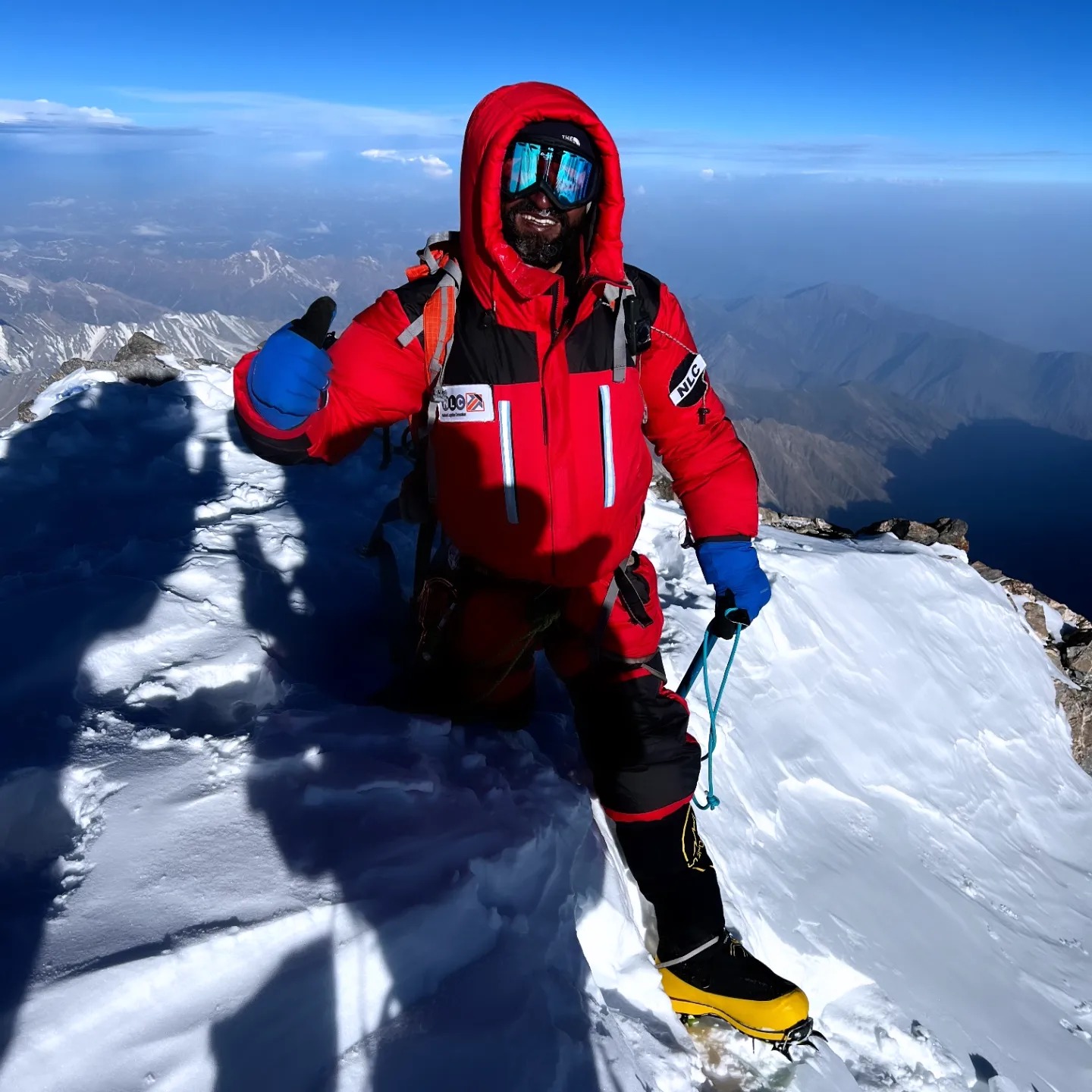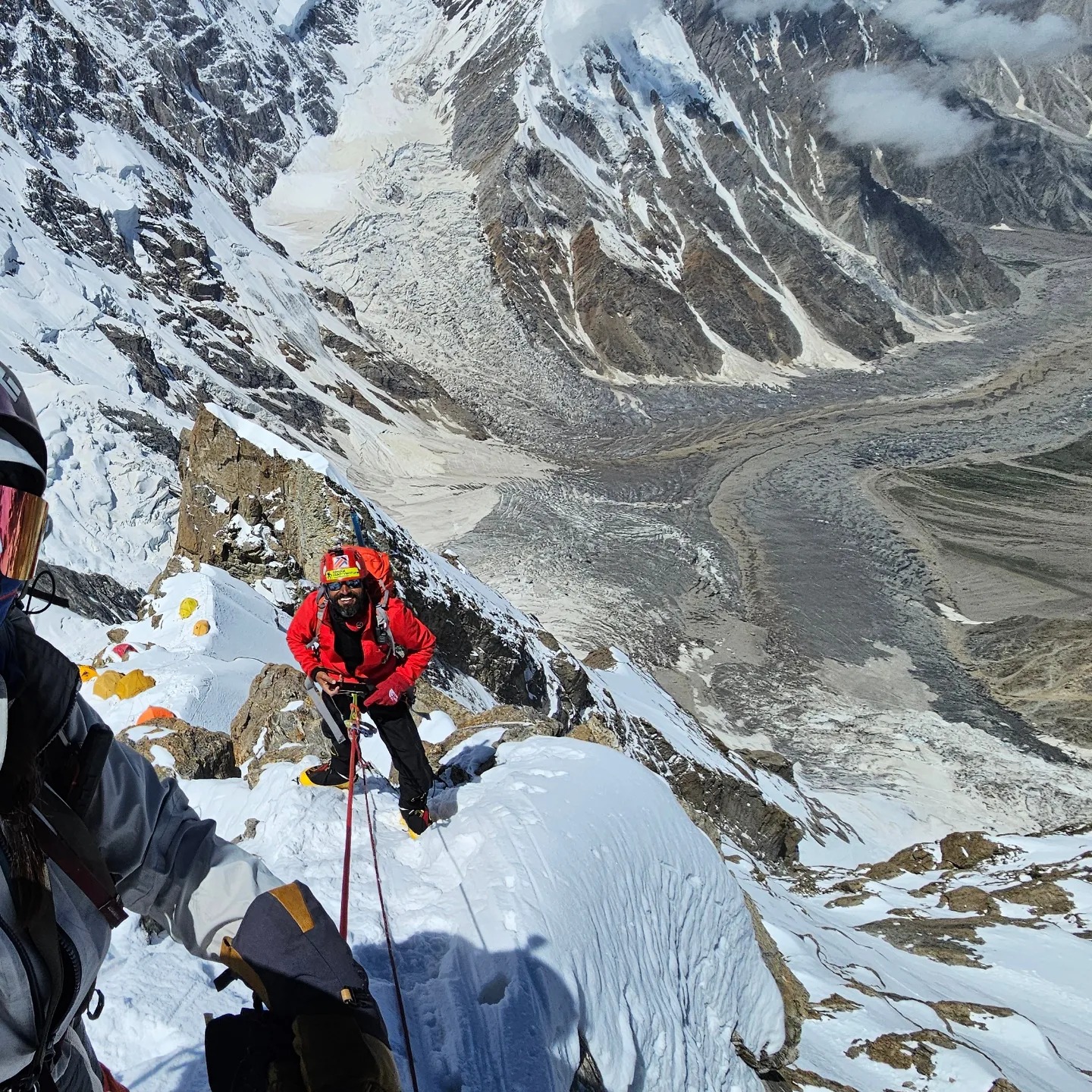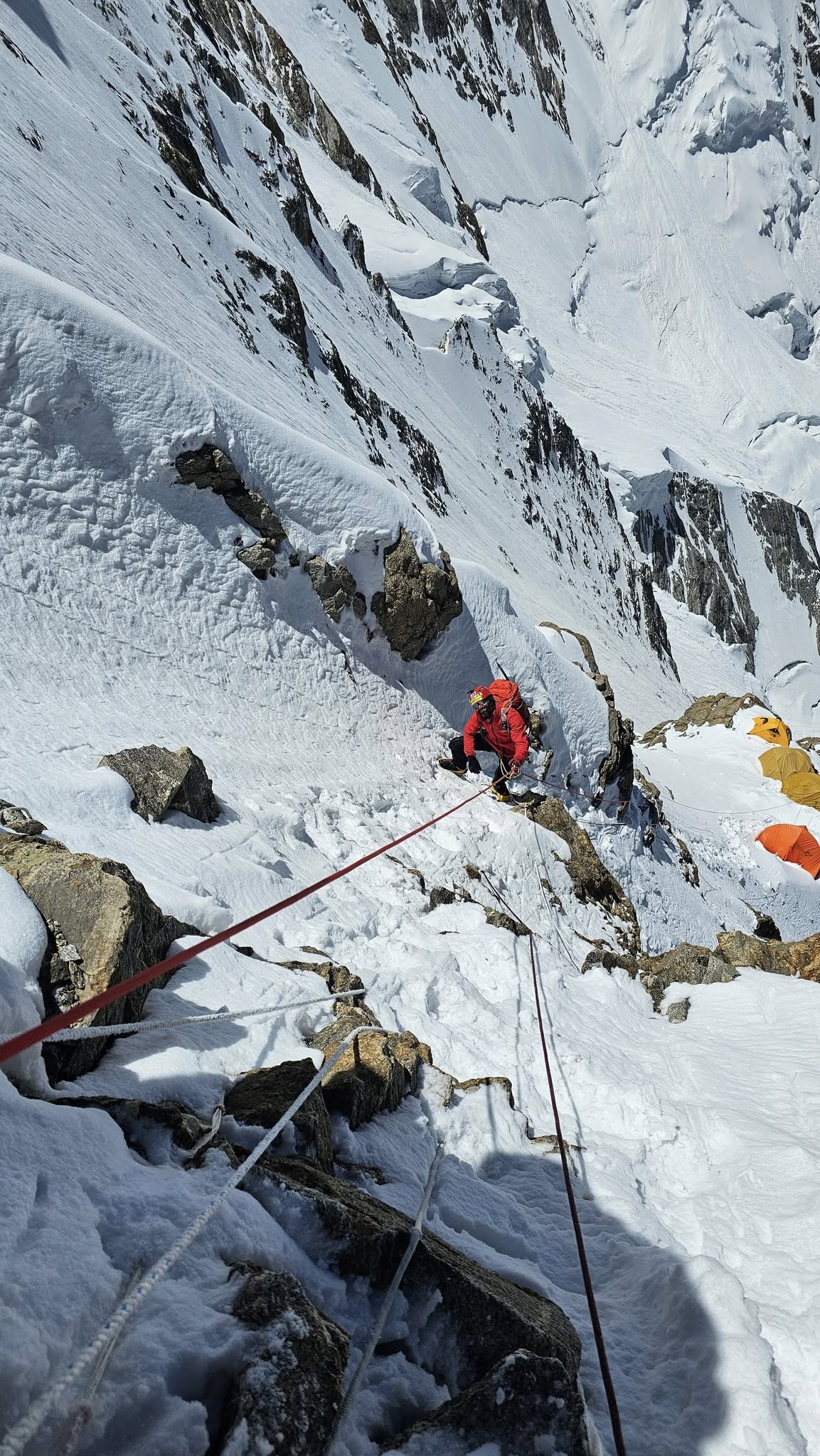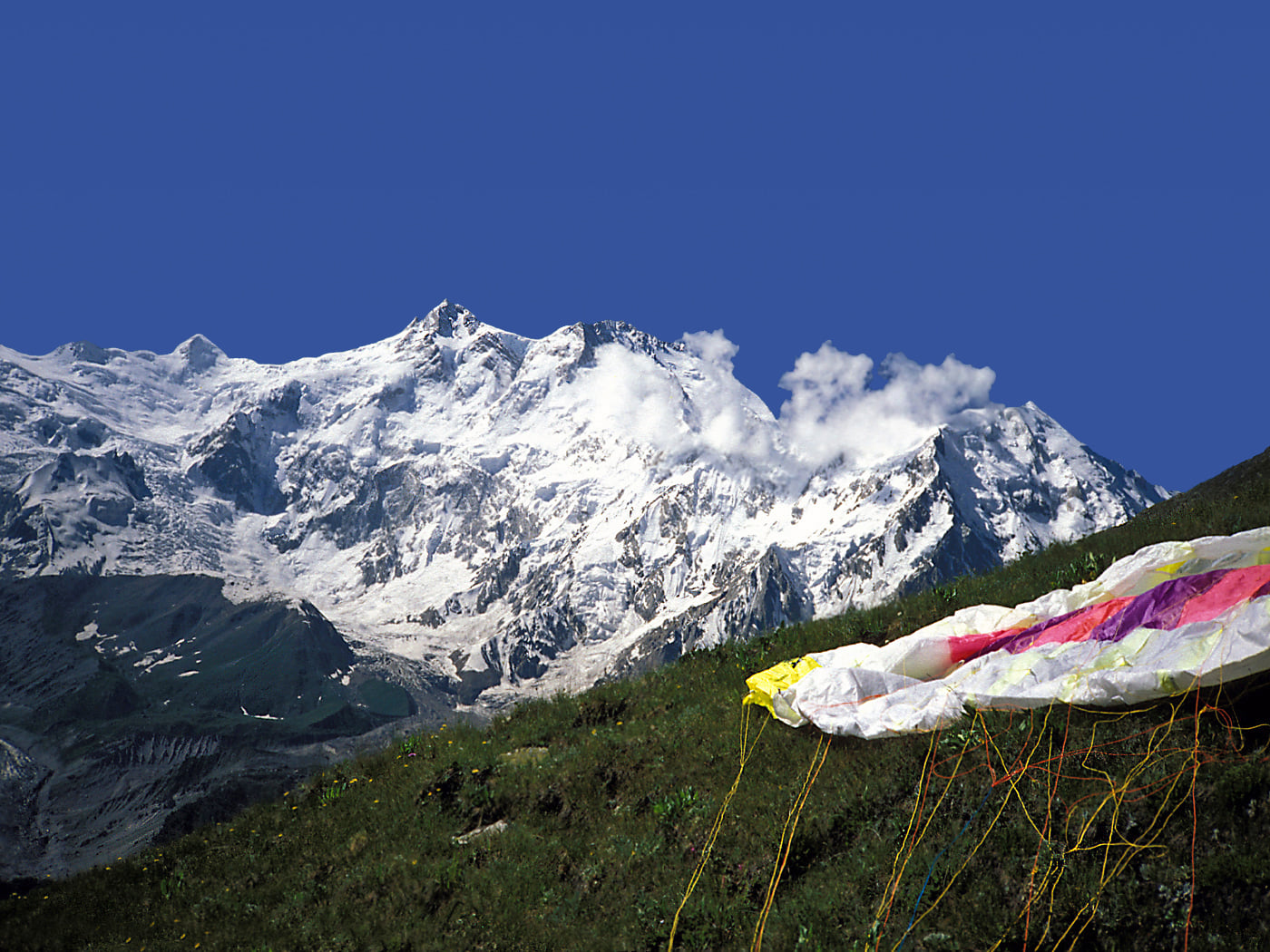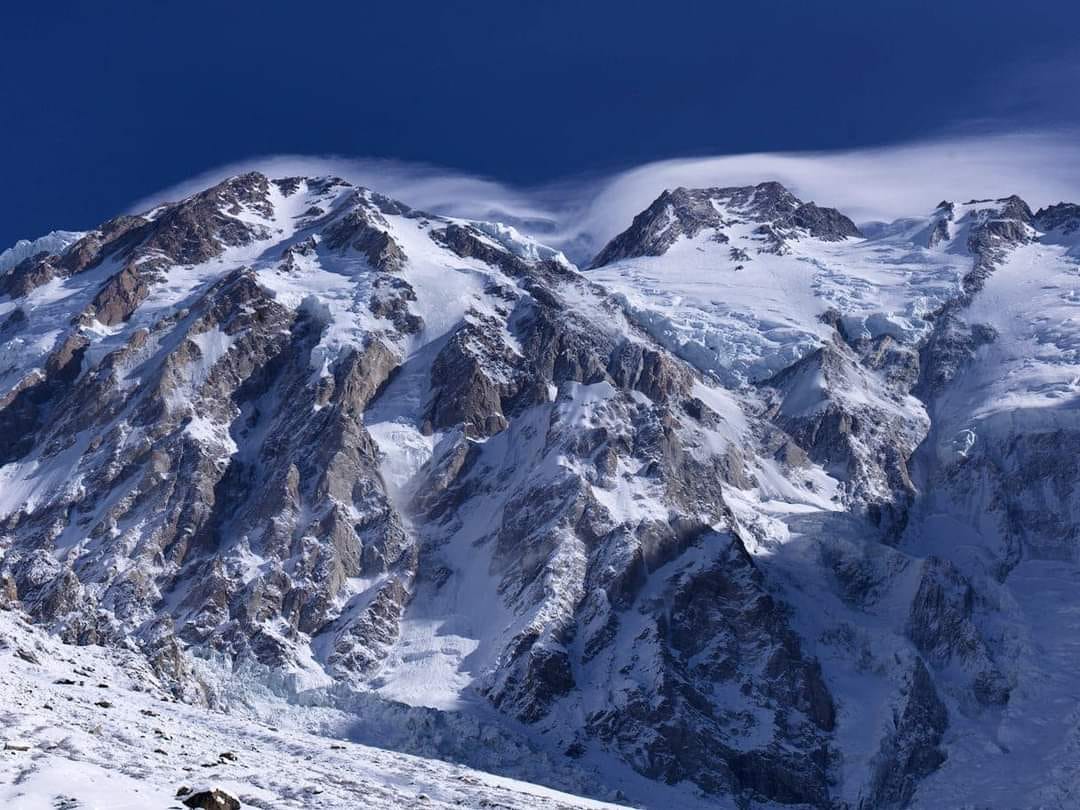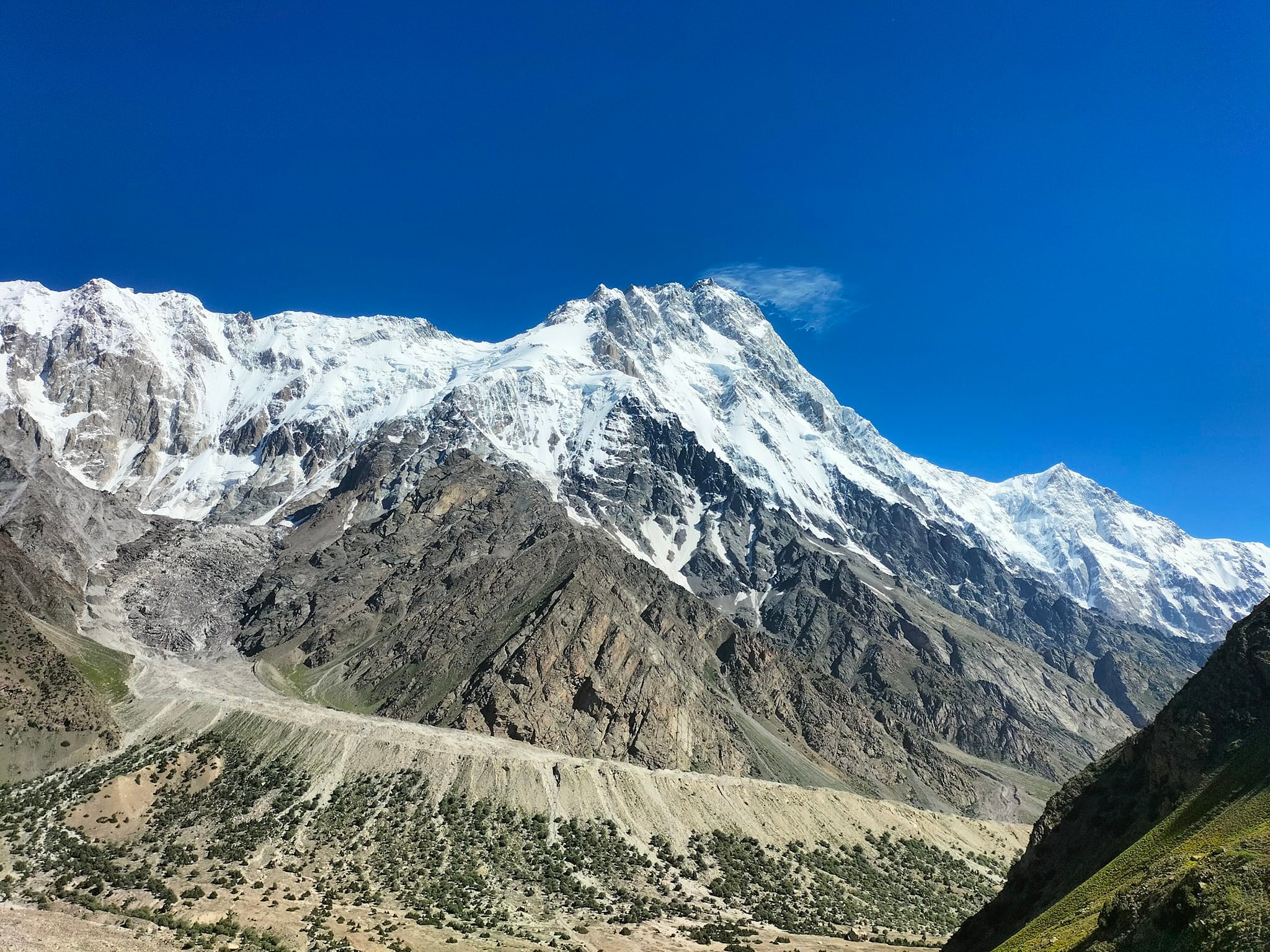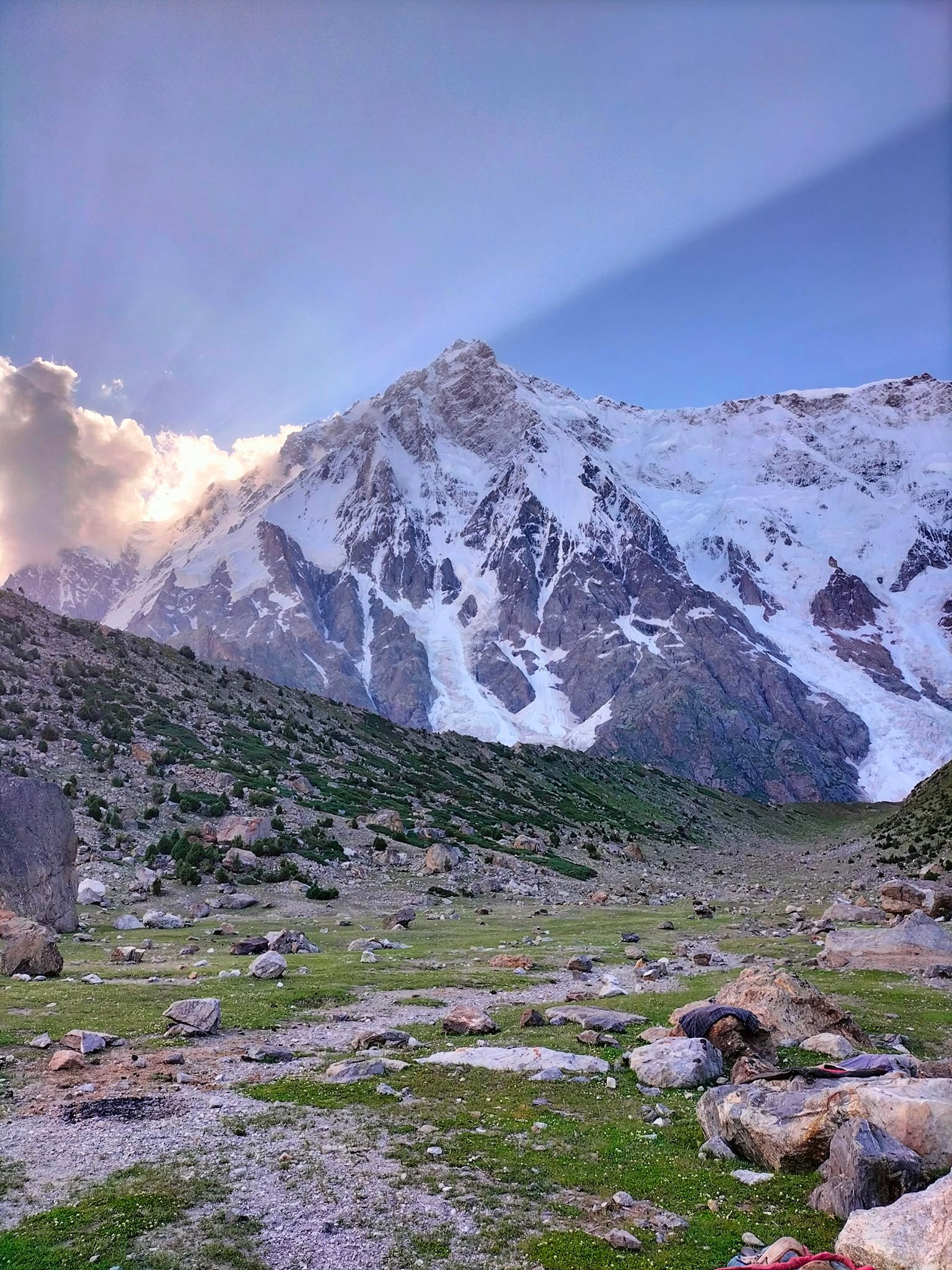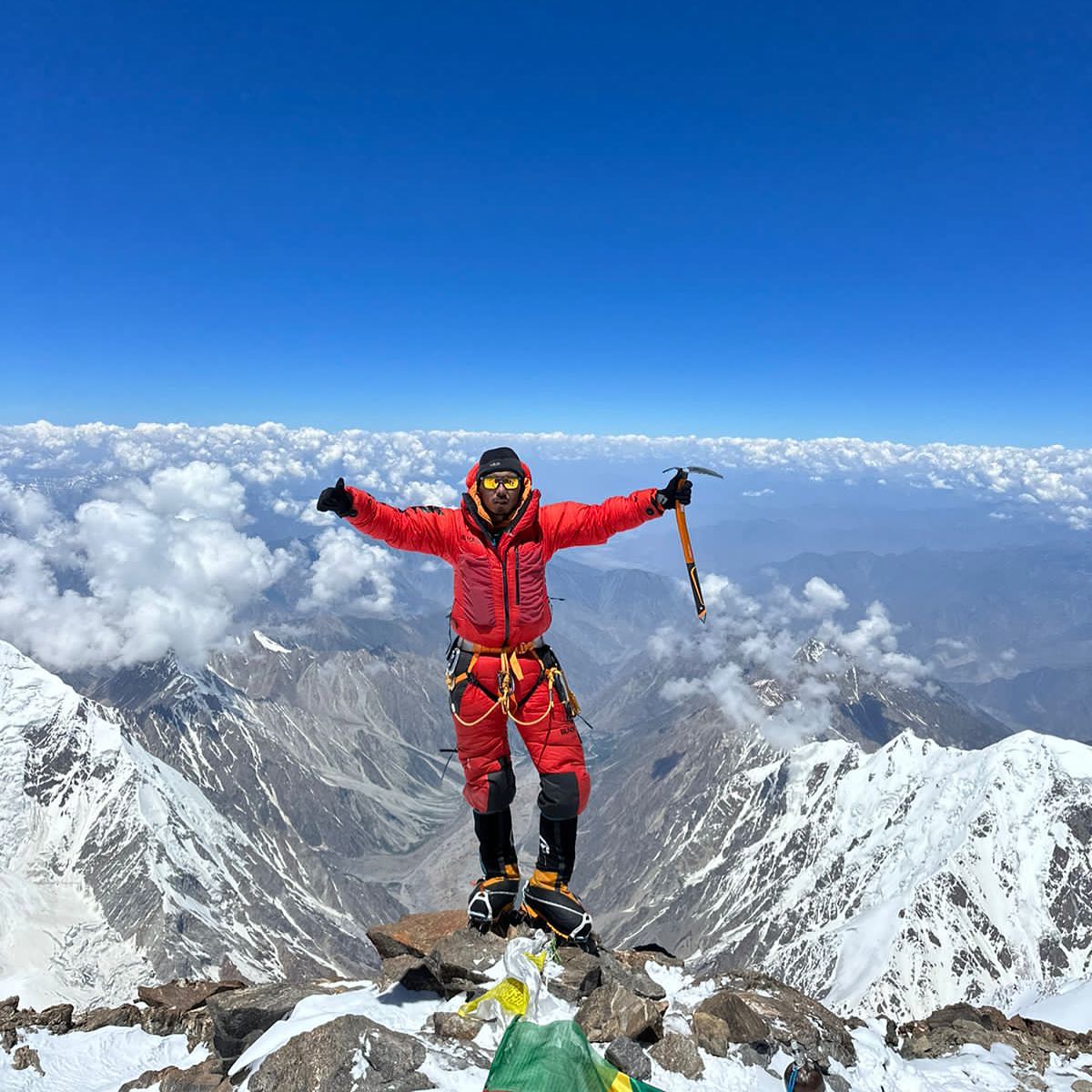

Nanga Parbat, the ninth 8000 in the world, is famous in the climbing world for being a tough, technical and very rewarding mountain.
Pakistan
Mt. Nanga Parbat
50 days
Diamir Face (Kinshofer)
9
35°14'15"N 74°35'24"E
Live weather report
Karakoram Range
Nanga Parbat, It is the ninth highest mountain in the world, standing at 8,125 meters (26,657 feet) above sea level. Located in the western Himalayas in Pakistan, it is known as the “Killer Mountain” due to its challenging climbing routes and high fatality rate among climbers. Geographically, Nanga Parbat is considered the western anchor of the Himalayan mountain range. The name Nanga Parbat means “Naked Mountain” in Hindi/Urdu and refers to the exposed rock buttresses of the south face. The north face is equally intimidating. In contrast to the craggy rock and ice of the south face, a broad barrier of seracs spanning the mountain protects the snow-covered north face. Today, most attempts are made on the Diamir face, which is generally considered the easier and safer route, with the Kinshofer route being the standard ascent route.
In 1953, German climber Hermann Buhl made the first successful ascent of Nanga Parbat, climbing solo and without supplemental oxygen. His climb, which involved 41 hours of getting lost and back, was considered a major achievement in the climbing world and solidified Nanga Parbat’s reputation as a challenging and dangerous mountain to climb.
Before World War II, climbers were convinced that the only way to climb the mountain was from the north via a long arc that extended over Rakhiot Peak (7,010 m), between the two summits of Silberzacken (Silver Saddle), and finally to the summit of Nanga Parbat, thus avoiding a more direct ascent of the north face. The route was dangerously exposed to avalanches and bad weather. Thirty-one people died attempting to climb the mountain before the first ascent, which led to it acquiring the infamous name of “Killer Mountain.” Nanga Parbat is considered one of the most challenging and dangerous mountains to climb, with a high mortality rate. Many climbing routes are steep, exposed, and prone to avalanches and rockfalls. The mountain is also known for its severe and unpredictable weather, which can make the climb even more difficult.
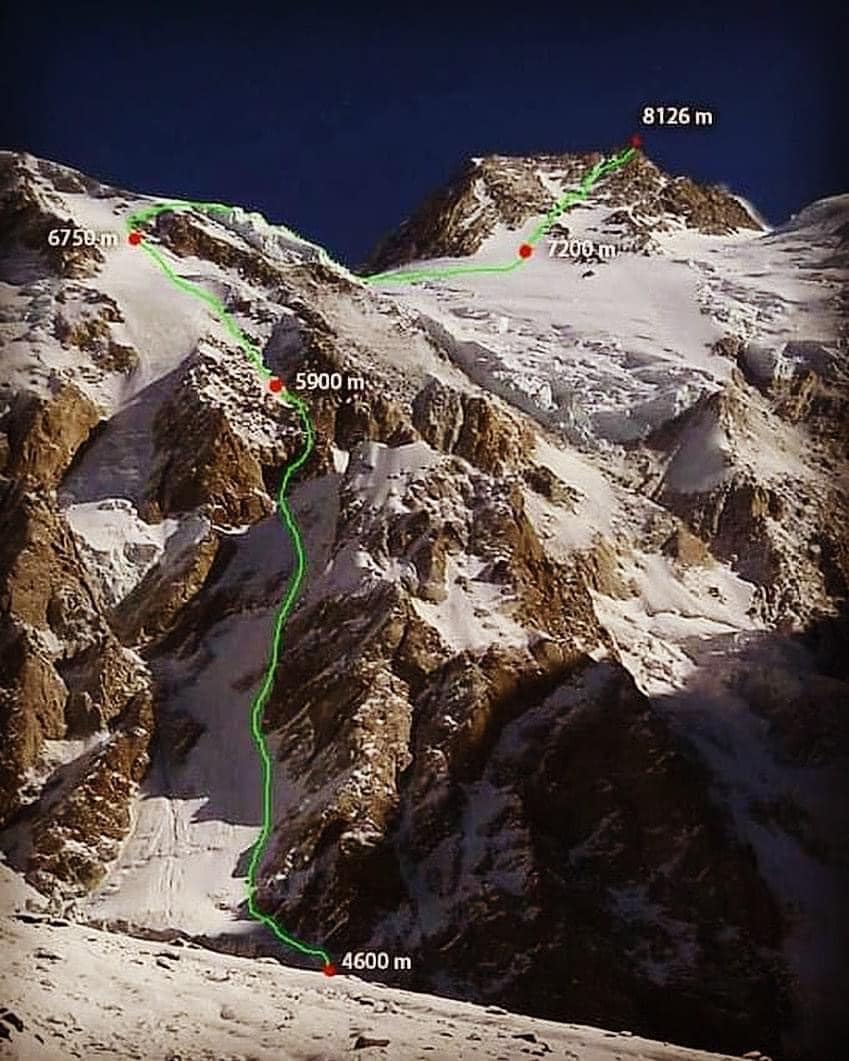
The Seven Summit Treks Nanga Parbat expedition will begin in the third week of June, departing from Islamabad and driving to Chilas. The vertical gain from base camp to the summit is over 4,000 meters. We will aim to establish three camps along the way to support your ascent and acclimatization. We will rotate frequently between camps for optimal acclimatization. The base camp is normally established at (4,100 m/13,451 ft), Camp I at (4,600 m/15,092 ft), Camp II at (5,900 m/19,357 ft), Camp III at (6,750 m/22,146 ft), Camp IV at (7,200 m/23,622 ft) and the Summit at (8,125 m/26,657 ft).
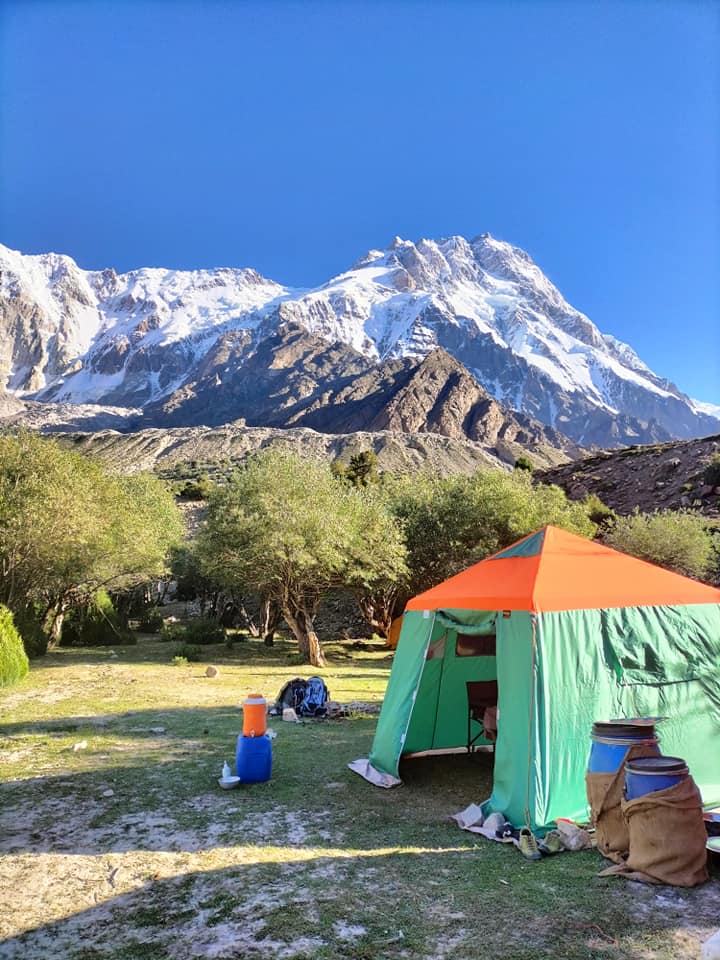
“WHY CLIMB NANGA PARBAT WITH SEVEN SUMMITS TREKS?”
8,125m / 26,660ft
5-6 hours
Hotel + Lodge + Tent
Spring
5 People Min
Airfare to and from Islamabad.
Visa fee for a 90-day stay.
Lunches and dinners in Islamabad (and in case of early return).
Stay in Islamabad or Chilas due to early arrival, late departure, or logistics changes.
Mandatory: Medical coverage, high-altitude rescue, aerial evacuation, and cancellation.
Calls, internet, laundry, hot showers (outside of BC), and alcoholic beverages.
Technical clothing, personal climbing gear, private medical kit, and toiletries.
Fees for professional filming or drone usage.
Climbing Sherpa bonus: Minimum $2,000 USD.
Calculated for base and high-altitude staff: Minimum $400 USD.