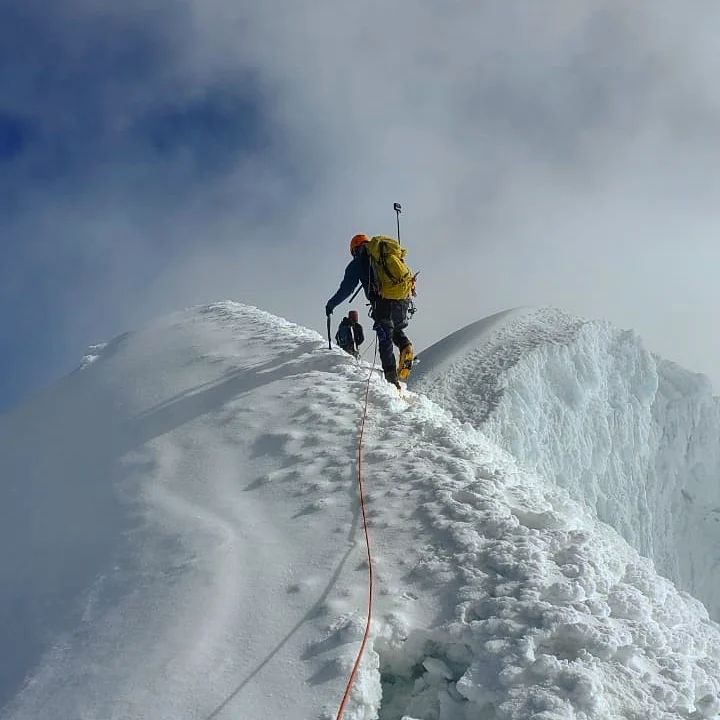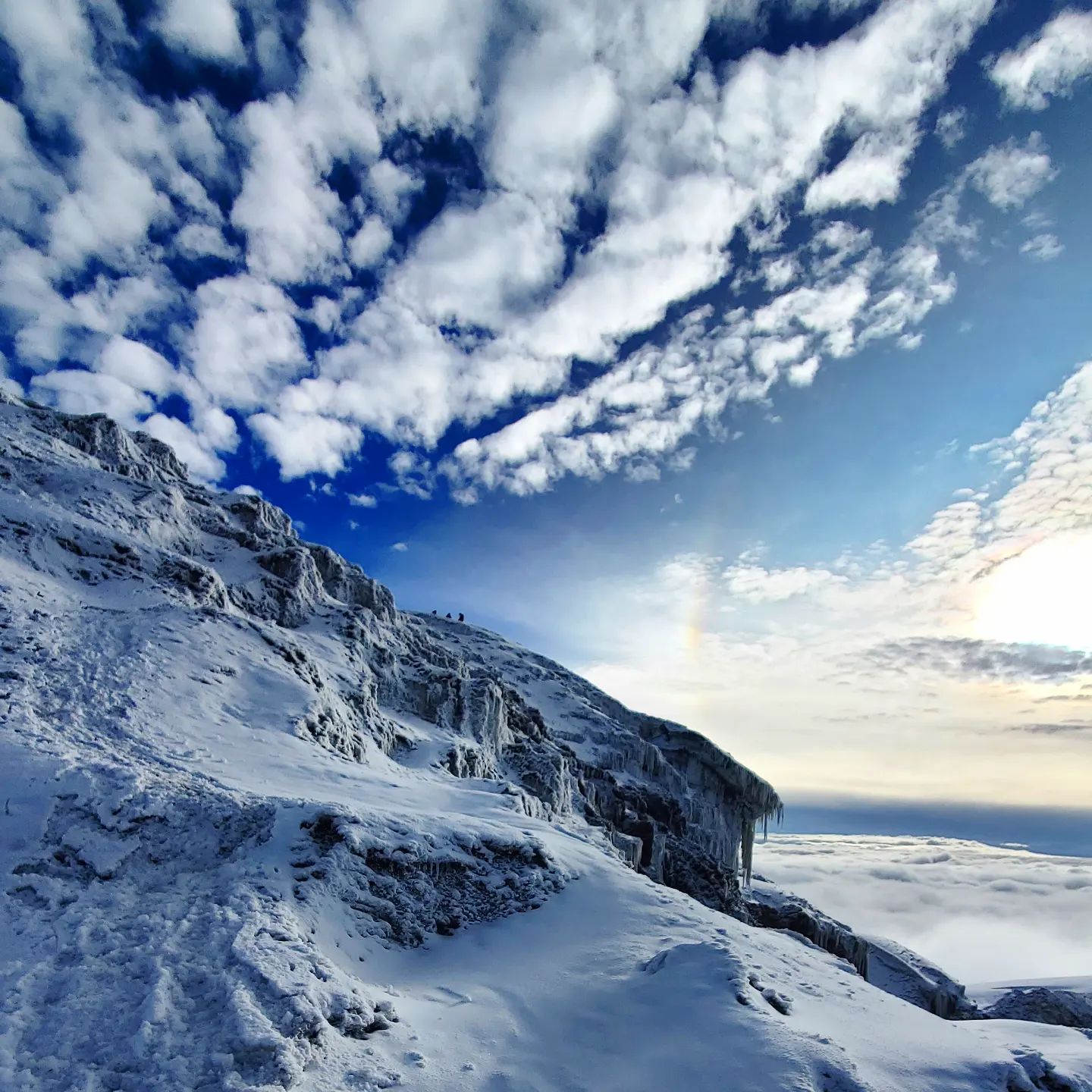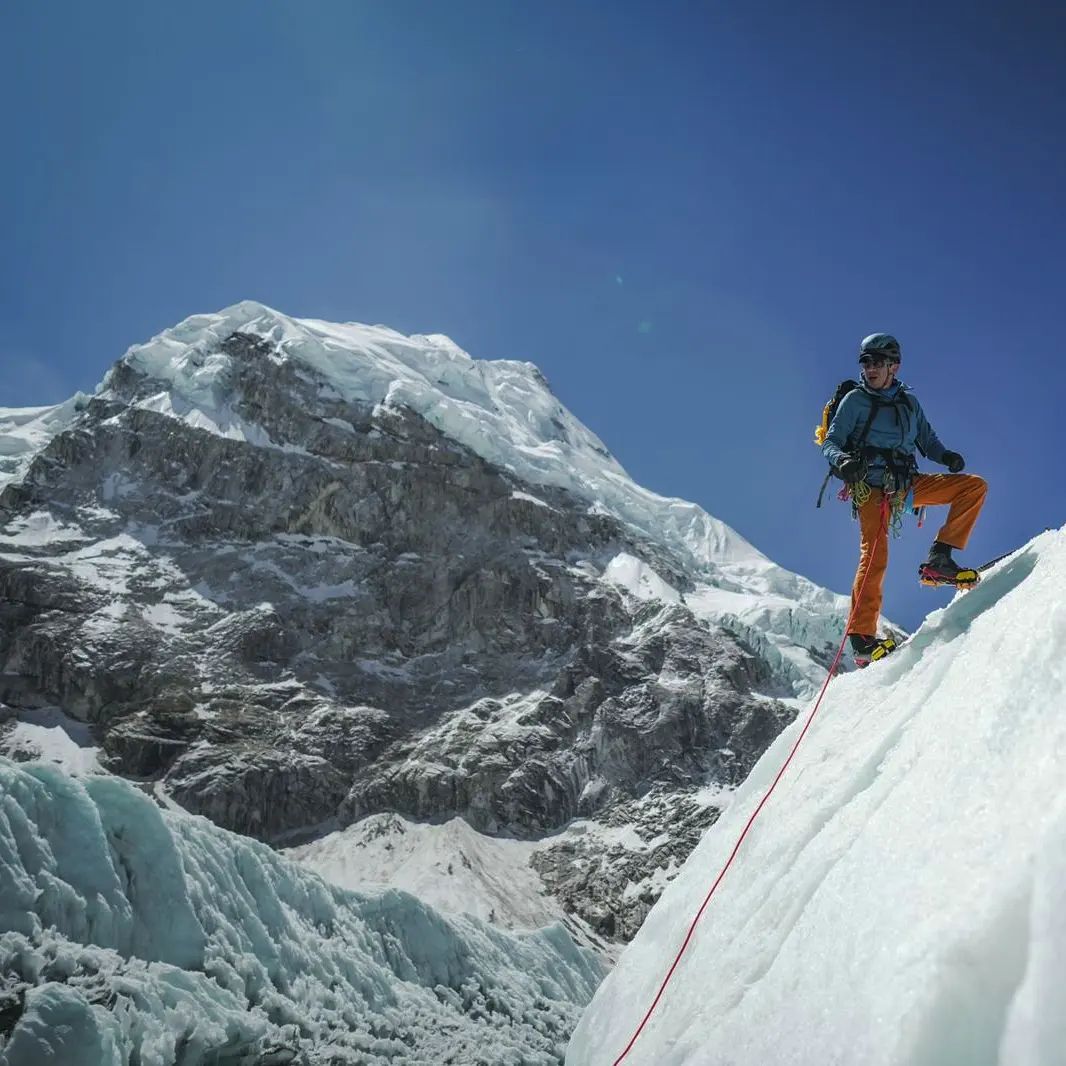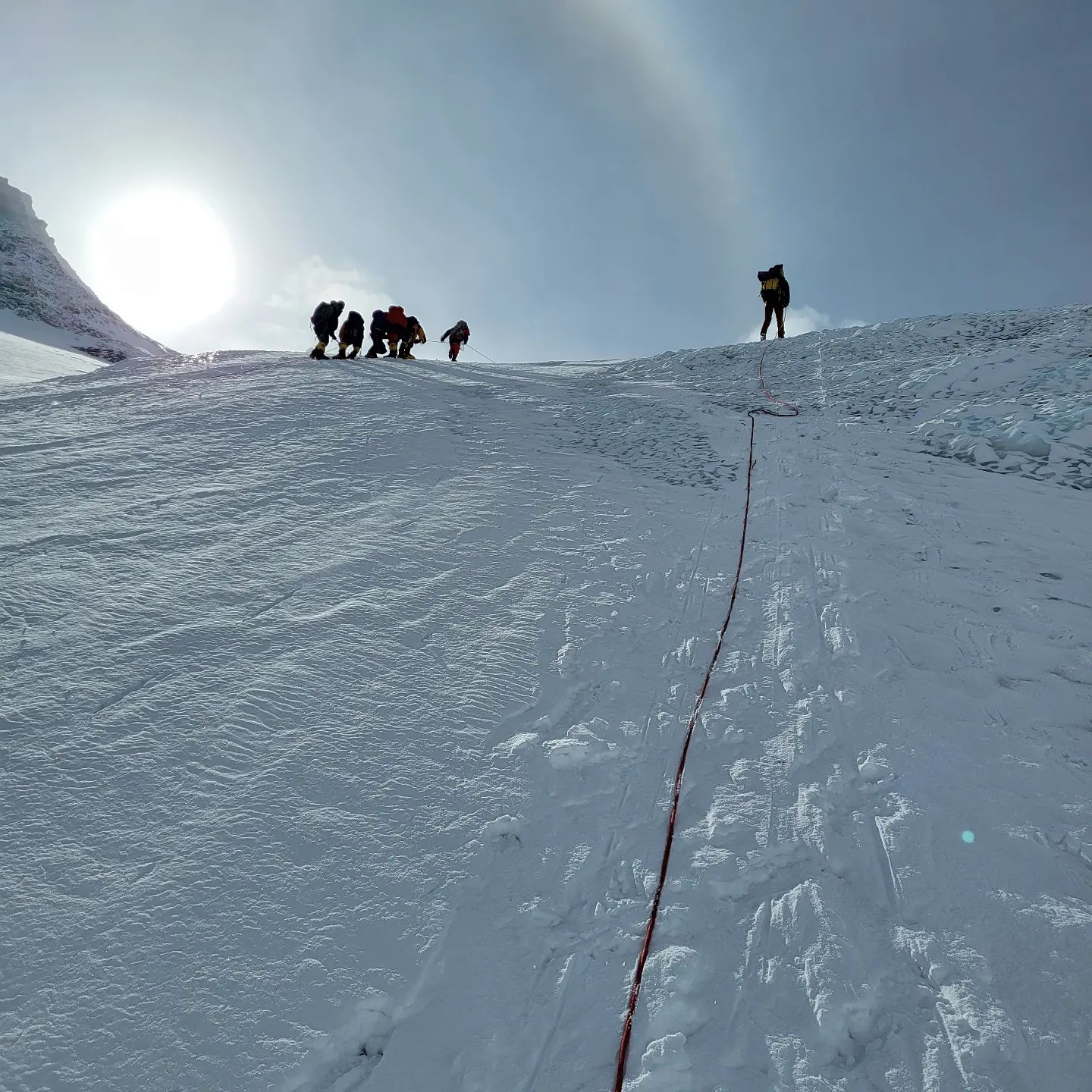
Mount Lhotse is the fourth highest mountain in the world at 8,516 m above sea level; the main summit is located on the border between the Tibet Autonomous Region of China and the Khumbu region of Nepal.
Nepal
Mt. Lhotse
60 days
S COL; W-Face
4
27°57'42"N 86°56'00"E
Live weather report
Mahalangur Range
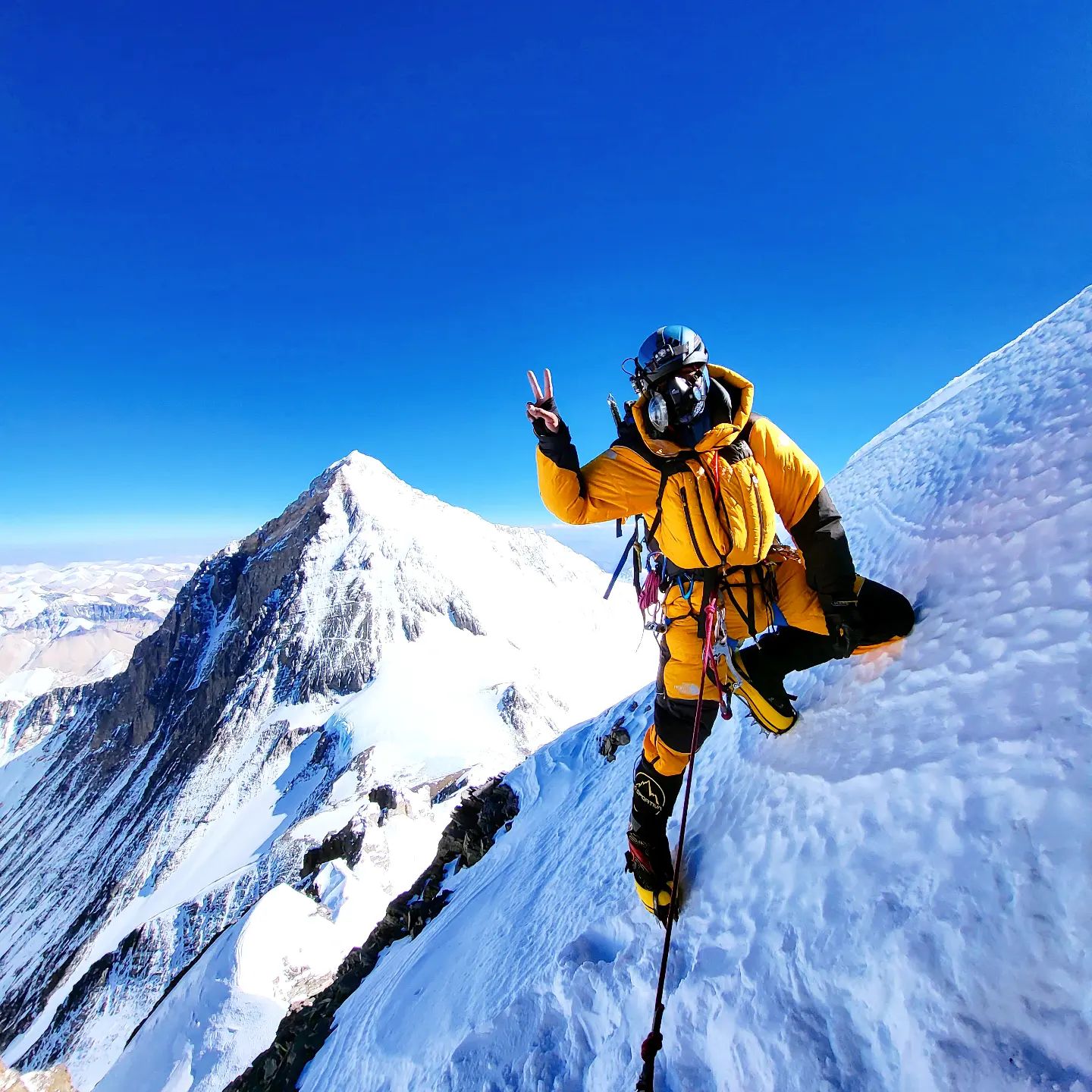
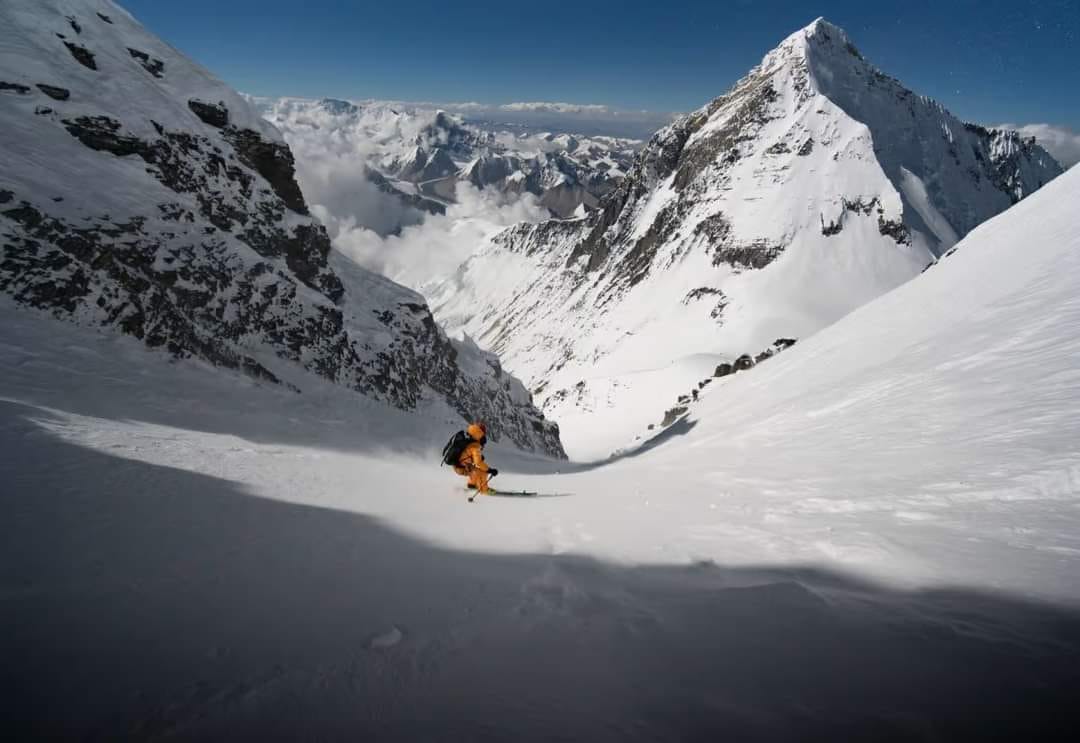
Lhotse, It is the fourth highest mountain in the world, with an altitude of 8,516 meters (27,940 feet) above sea level. It is located in the Himalayas, on the border between Nepal and Tibet. Its long ridge, which runs east to west, lies immediately south of Mount Everest, and the South Col, a vertical ridge that never dips below 8,000 meters, connects the summits of both mountains. Lhotse has three summits: Main Lhotse (8,516 m), Lhotse Shar (8,383 m), and Middle Lhotse (8,413 m). A deep scar, an icy gully known as the Lhotse Couloir, marks the west face of Lhotse; this couloir is the crucial test for climbing Lhotse, primarily because climbing conditions are affected by the weather and seasonal snowfall. Lhotse was first summited on May 18, 1956, by a Swiss team consisting of Ernst Reiss and Fritz Luchsinger. They climbed the mountain via the West Ridge, the same route used for the first ascent of Everest in 1953. Since then, there have been numerous successful ascents of Lhotse, with most climbers using the South Col route, the same route used to climb Everest. Lhotse’s south face is known for being steep and technically challenging, and has only been successfully climbed a few times.
There are many reasons why people choose to climb mountains, and Lhotse is no exception. Climbing Lhotse is a significant challenge and requires a high level of physical fitness, technical climbing skills, and mental fortitude. The mountain is known for its steep and challenging south face, and the thin air and extreme altitude make it a demanding climb.
The Lhotse Seven Summits expedition begins the first week of April from Kathmandu. You will have a couple of days to prepare your equipment and paperwork. Afterward, you will fly to Lukla, from where the actual trek to base camp begins, taking approximately seven days on foot, depending on the itinerary. This trip is ideal for those with prior experience on peaks of 7,000 meters or higher. The route traverses the Khumbu Icefall. Continuing on, we will reach Camp 1, located at the top of the Khumbu Icefall, surrounded by crevasses. From Camp 1, we will cross the lateral moraine to the west ridge, which will give us a close-up view of Lhotse. This is the perfect location for Camp 2. Leaving Camp 2, we will reach the face of Lhotse, crossing glaciers and ice cliffs, where we will establish Camp 3. Camp 4 is located near the South Col. From Camp 4, we will advance through steep rocky sections to the summit.
WHY CLIMB MOUNT LHOTSE WITH SEVEN SUMMIT TREKS?
“We look forward to serving you and sharing our experience with you”
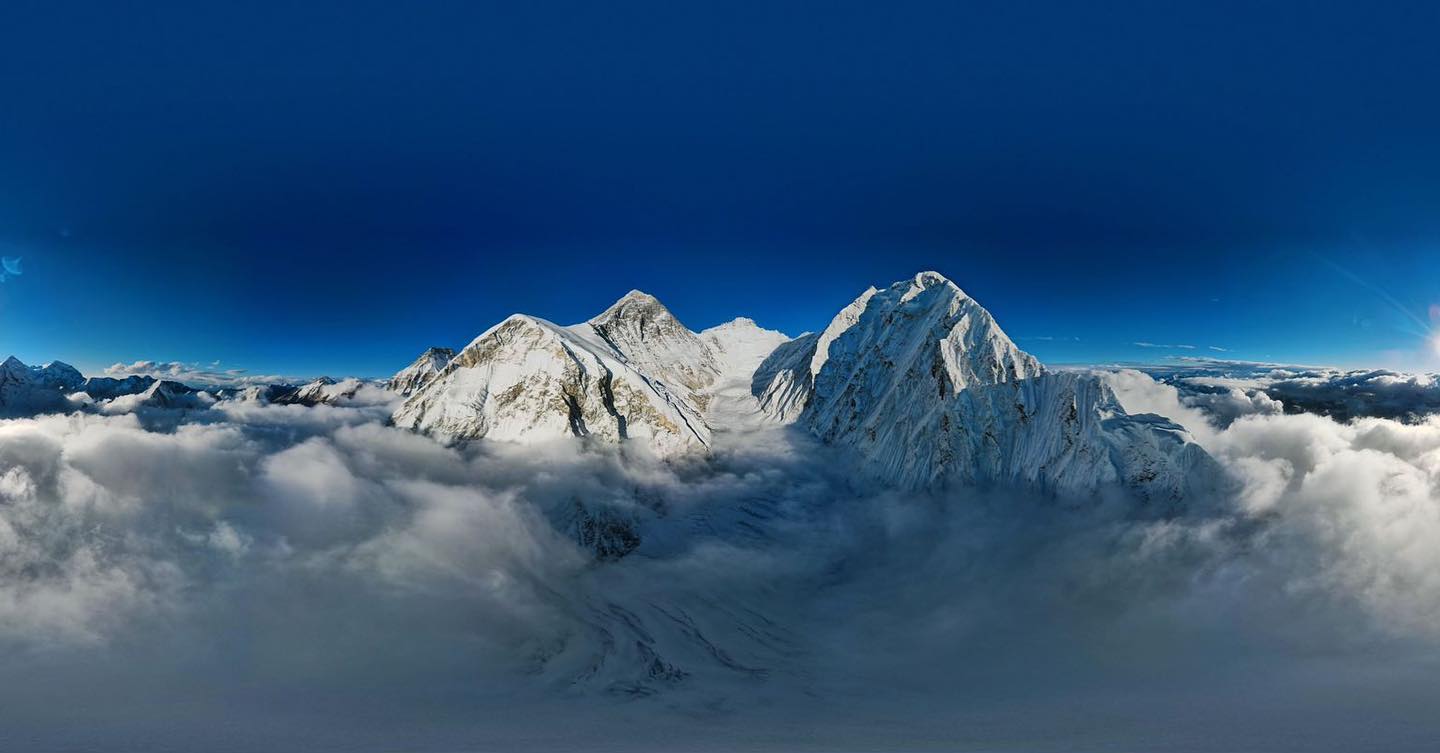
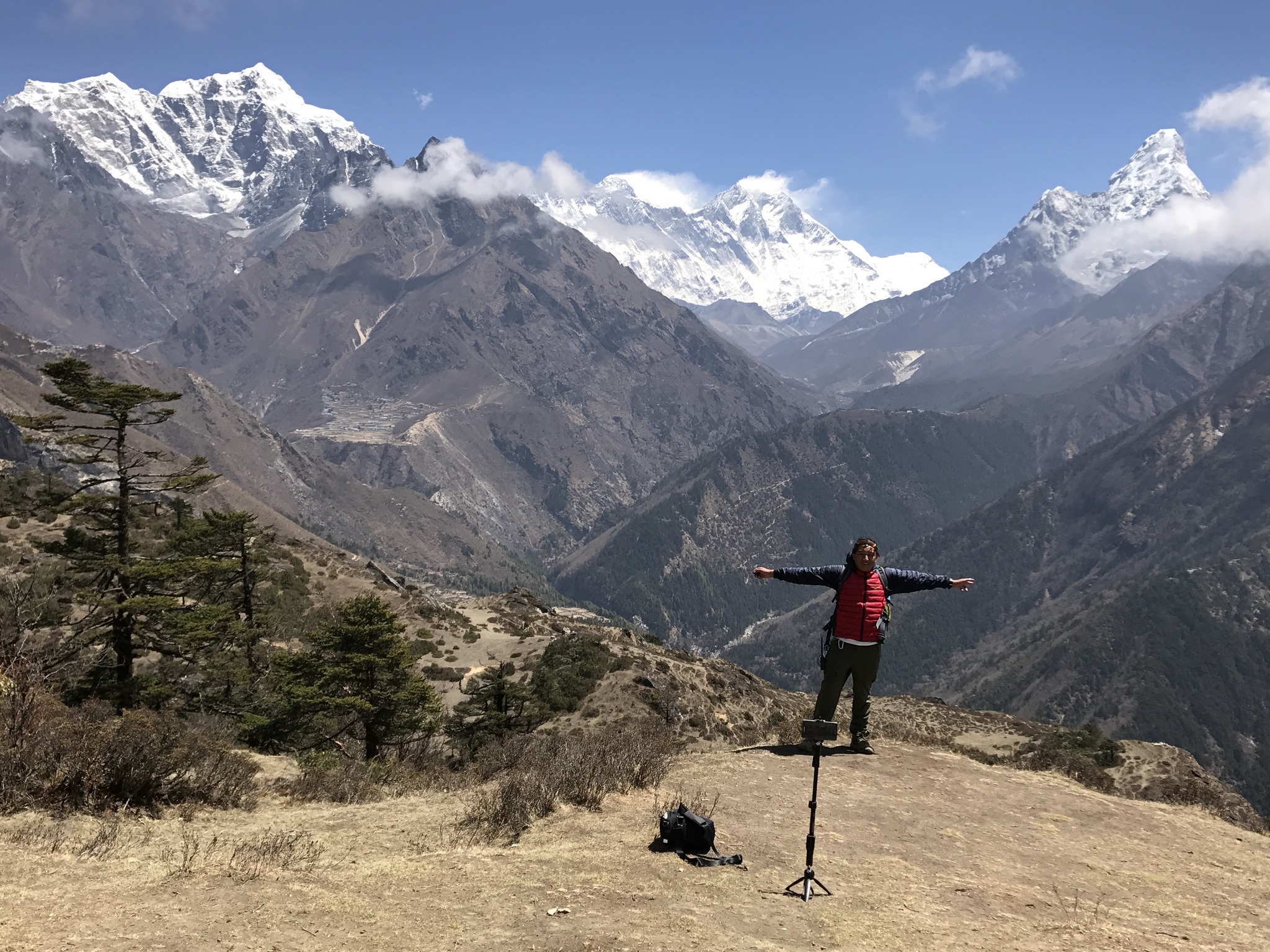
A scenic flight to Lukla and an additional trek will take you to Lhotse Base Camp (5,400 m). The trek to Base Camp offers magnificent views of the Himalayan range, including Everest, Mount Pumori, Nuptse, and the Khumbu Icefall. Enjoy a warm morning and a lovely, light-filled afternoon, where our best Sherpa team will be waiting for you. At EBC, there will be a large number of groups; however, Seven Summit boasts the best Base Camp. You will spend approximately 45 days at Base Camp. Each member will have an individual tent, and there are shared dining tents, kitchens, showers, communication facilities, and toilets. Before ascending the mountain, we will perform a large ceromantic puja at base camp for good luck and a safe climb. Seven Summits will offer frequent helicopter charter flights to EBC, and each charter flight will bring plenty of fresh vegetables, fresh meat, and drinks.
Once you arrive at Lhotse Base Camp, your personal climbing sherpa or team leader will receive a base check and advanced training at base camp. You will then cross the Khumbu Icefall. This icefall is 600 meters of moving ice. For better acclimatization, once the Sherpa team has fixed the rope, you will ascend to Camp I, located at an altitude of 6,065 m. In this climbing section, you will encounter mixed terrain with a few crevasses and ice on the glacier section. This will take you 4 to 5 hours of climbing. We will make frequent rotations at Camp I and back to Base Camp.
Camp II is located at an altitude of 6,500 m. The climb from Camp I to Camp II consists of an intermediate ice section with some mixed sections. In this section, the climb includes sections of rock and glaciers, and in the middle of the glacier, the difficulty is somewhat technical, but there will be a fixed rope. At Camp II, you’ll find the SST fixed mess hall with a kitchen, so this will be the night where we spend the most time after Base Camp.
Camp III (7,300 m/23,950 ft)
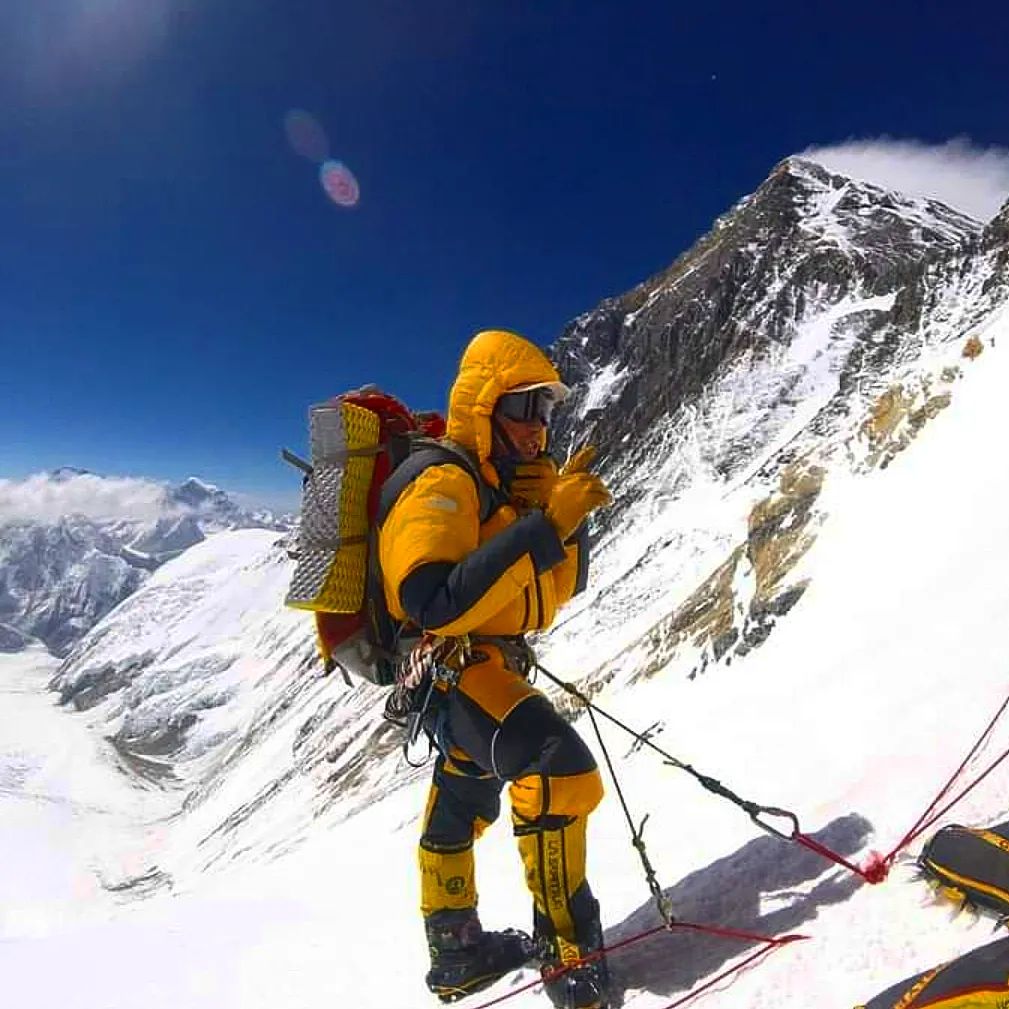
Climbing from Camp II to Camp III is equivalent to climbing from the face of Lhotse to Camp III. The face of Lhotse is steep, and the ice section is harder, but the route is fixed with ropes, and the angles can vary from 30 to 45 degrees. It’s a long climb, and a Sherpa with a fixed rope will be present for safe climbing. You will spend two nights at Camp III before the summit attempt for better acclimatization. Note: Up to Camp III and the rocky section of the Yellow Band, all Everest and Lhotse climbers climb together. Before reaching Camp IV/South Col, the team splits up.
From Camp IV, you will have a magnificent view of Mount Everest to the north and Mount Lhotse to the south, covered in loose rock. This is the last camp. The climb to Camp IV is short, but there are some rocky sections, and you should be careful when ascending to Camp IV due to the altitude, as oxygen levels are low. There will be a fixed rope to ensure safe climbing.
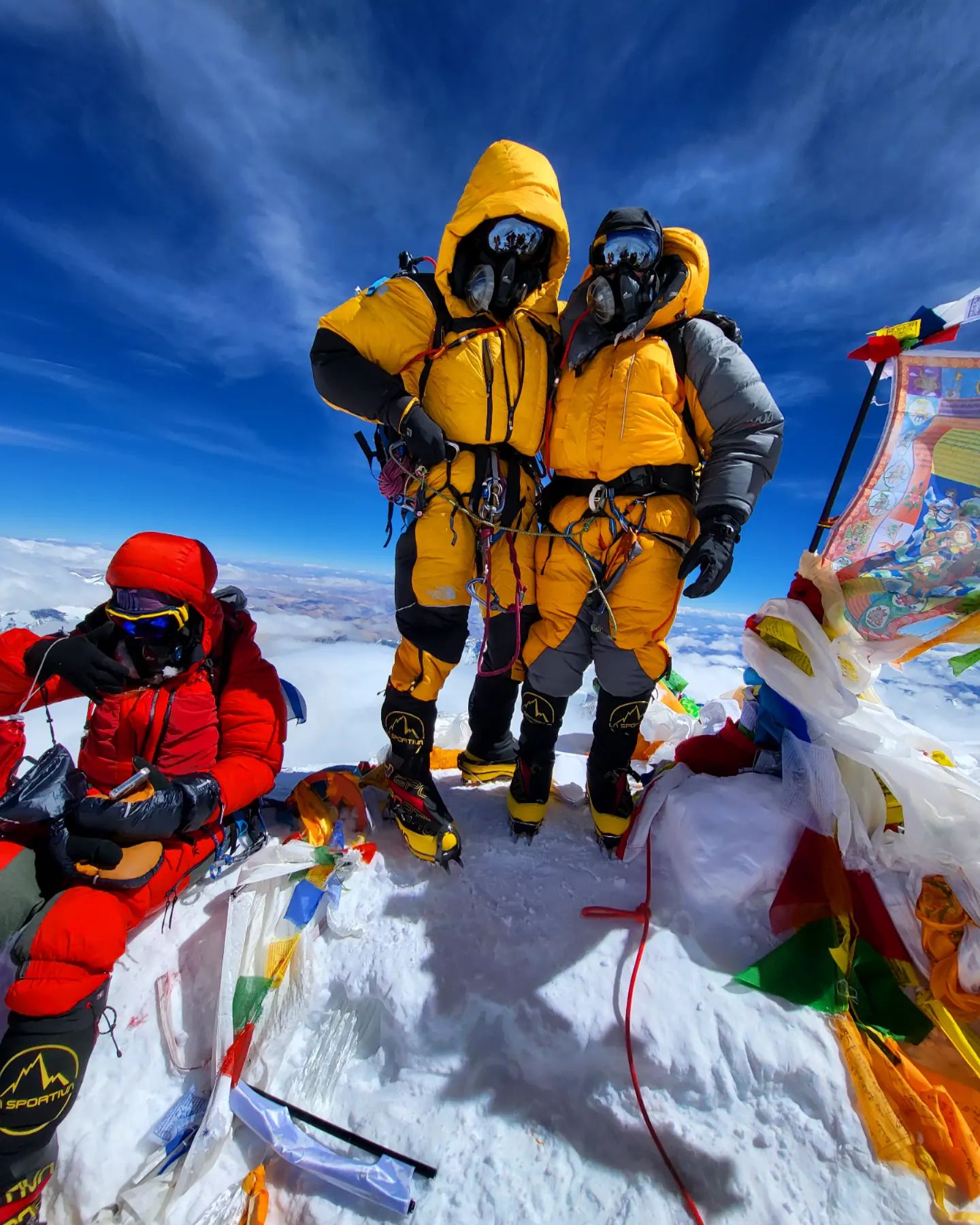
The most important day is summit day. It is the main goal of all climbers. It is a day that climbers dream of. Therefore, most climbers begin their ascent to the summit late at night and will hike to the top for approximately 7 to 8 hours, reaching the summit around 6 or 7 am. There is a rocky section called the Yellow Band that leads to the main summit of Mount Lhotse. The summit of Mount Lhotse is breathtaking. You will be mesmerized by the beautiful view of different 8,000 m peaks. On the same day, after taking some photos, you will hike to Camp III or Camp II, which will take approximately 5 to 6 hours. Descending from the summit is also a challenging part of this expedition, so safe descent training is an important part of summit day. Seven Summit Treks will have a Sherpa climber with a member of Camp IV until summit day. Camp I (6,065 m/19,898 ft)
Camp II (6,750 m/22,146 ft)
Camp IV (7,900 m/25,919 ft)
Summit (8,516 m/27,940 ft)
8.516 m / 27.940ft
5-6 hours
Hotel + Lodge + Tent
Spring
2 - 15 PEOPLE
Airfare to and from Kathmandu.
Visa fee: USD $125 for 90 days.
Lunches and dinners during the stay in the city (or in case of early return).
Additional accommodation in Kathmandu due to early arrival, late departure, or changes in domestic flights.
Mandatory: Medical coverage, high-altitude rescue, air evacuation, and repatriation.
Calls, internet, laundry, hot showers, and all types of alcoholic or bottled beverages.
Technical clothing, personal climbing gear, personal first-aid kit, and toiletries.
Special fees for professional cameras and drones.
Bonus for the climbing Sherpa: Minimum USD $1,500.
For Base Camp and High Camp staff: Minimum USD $400.