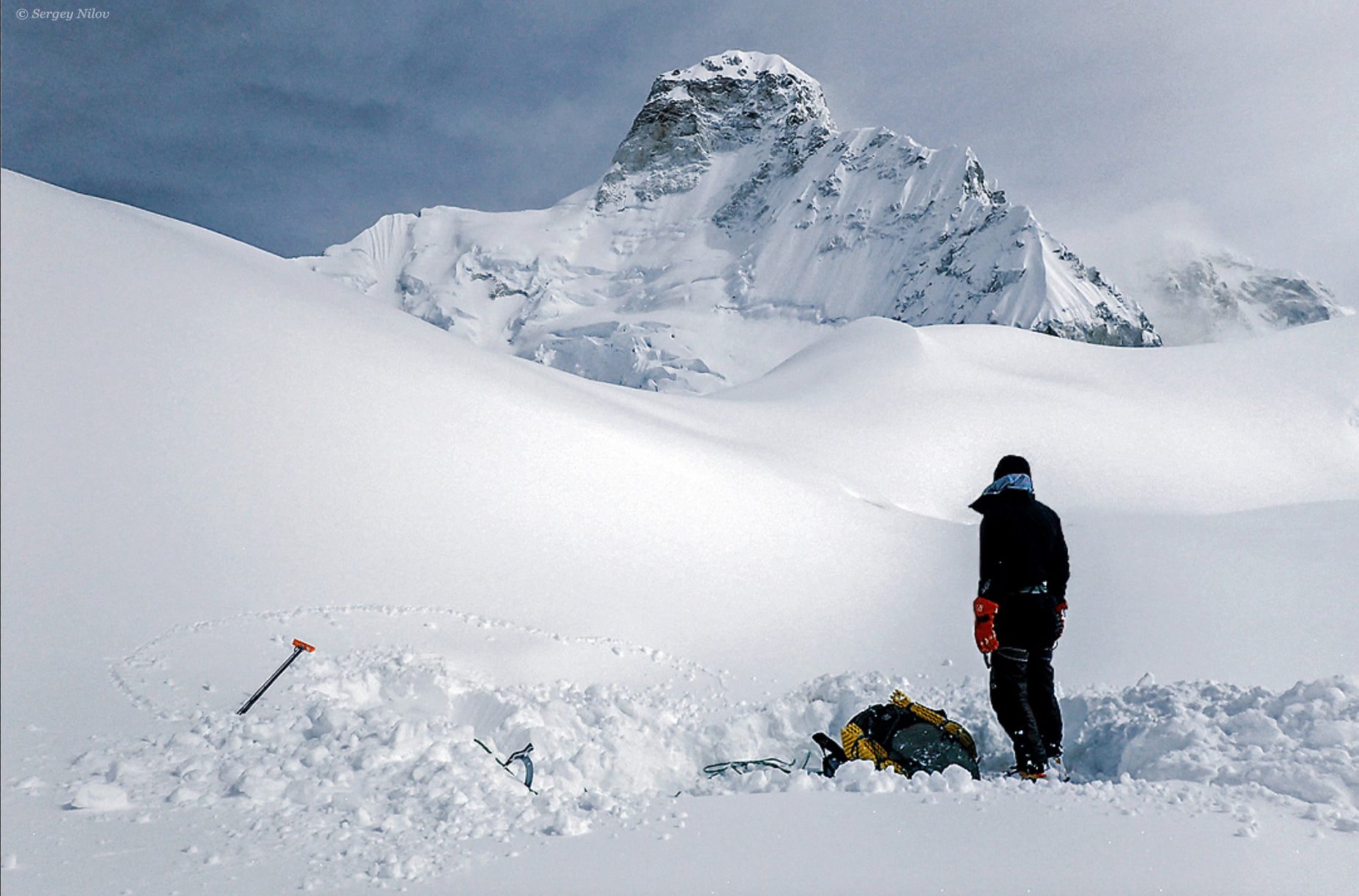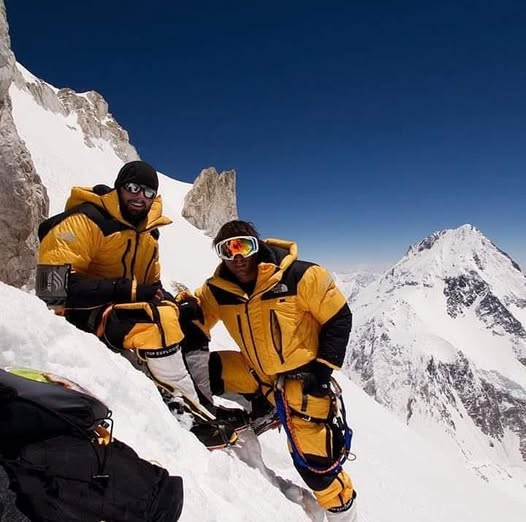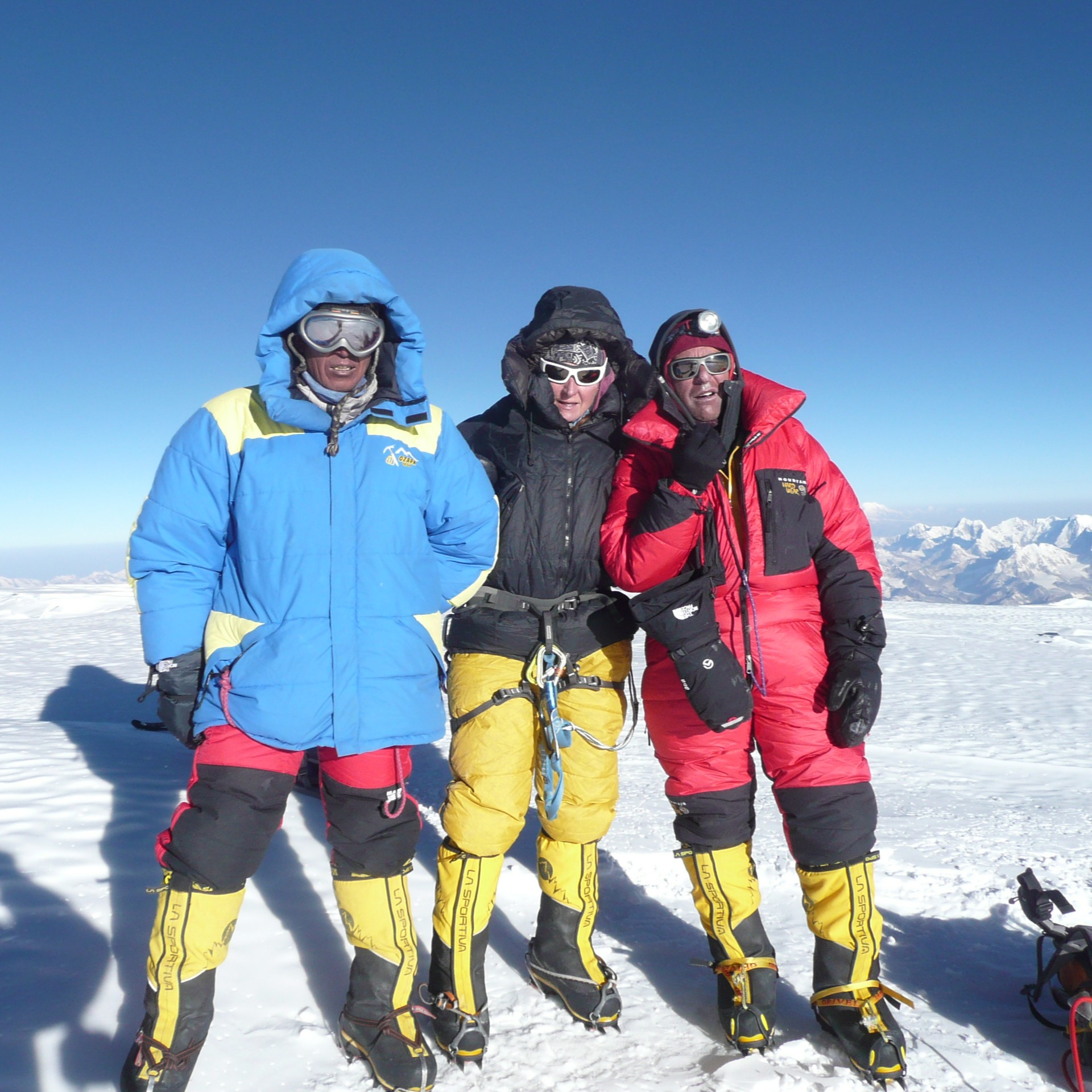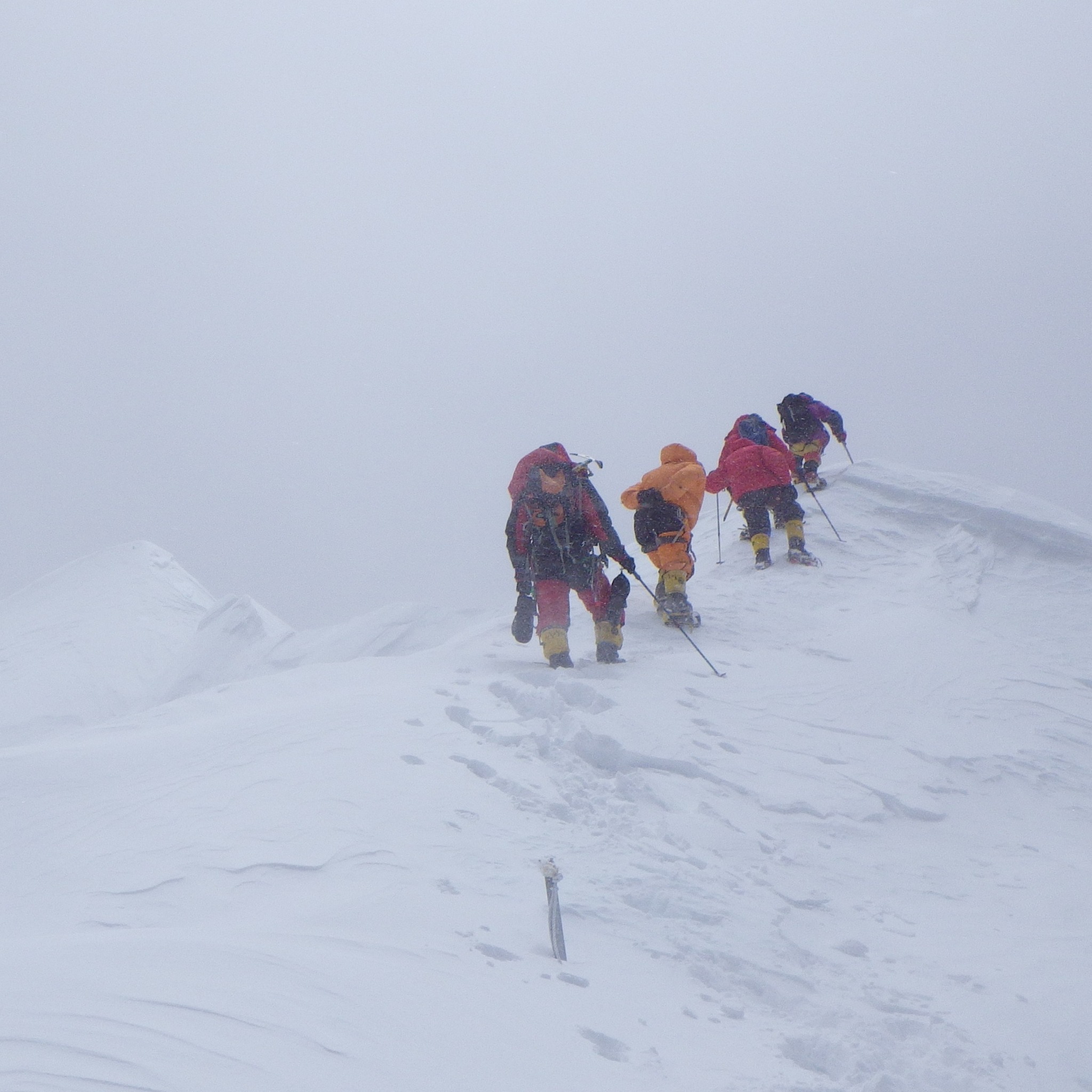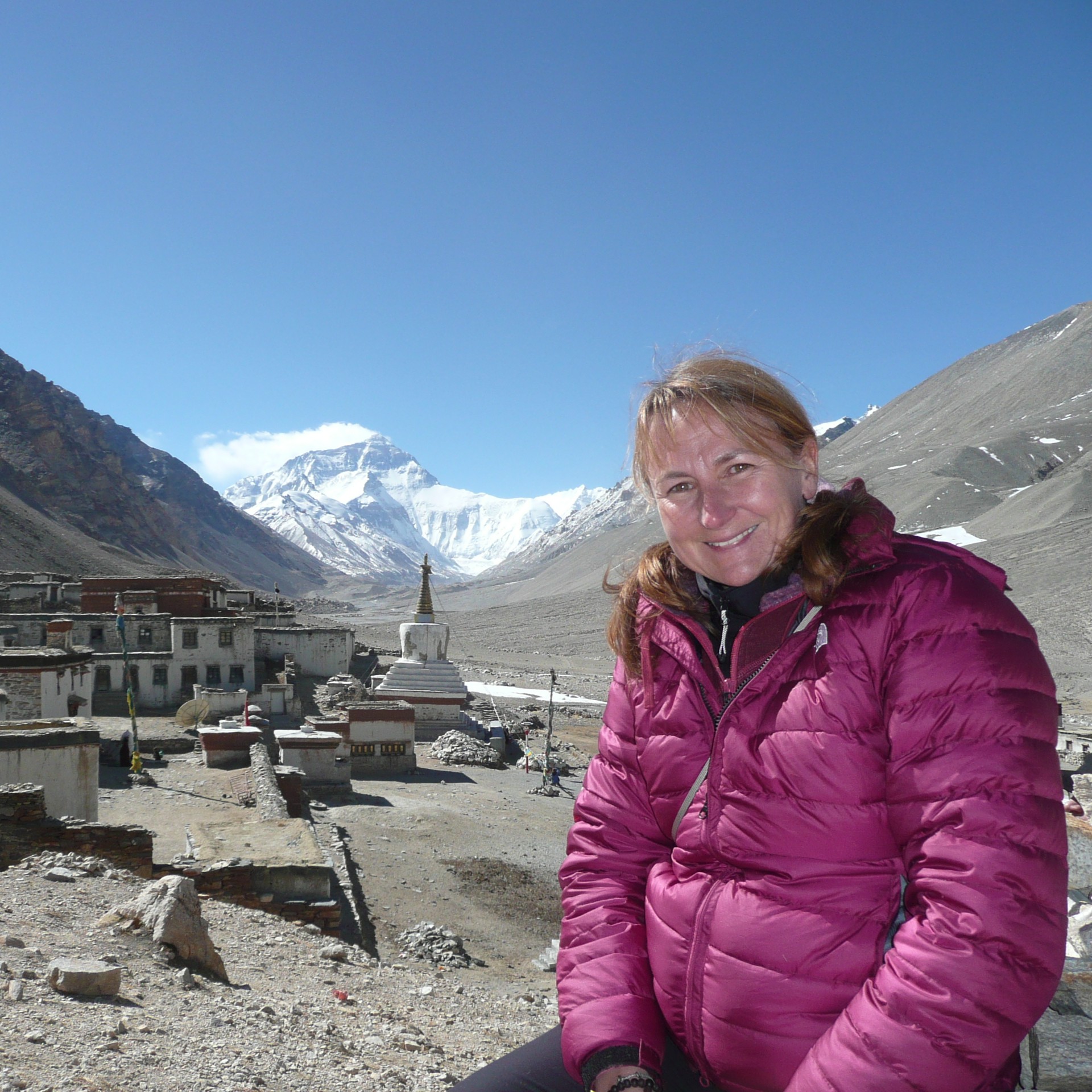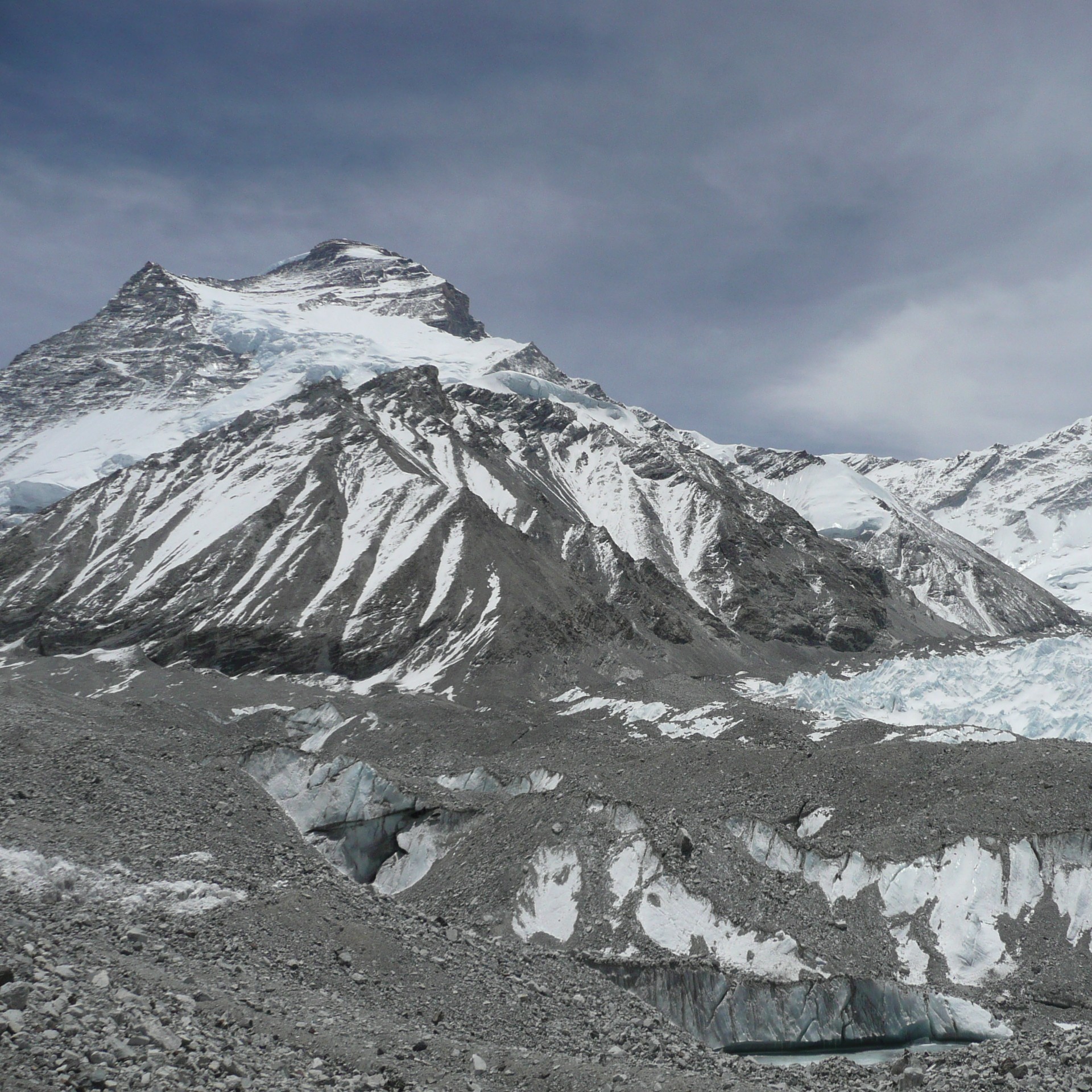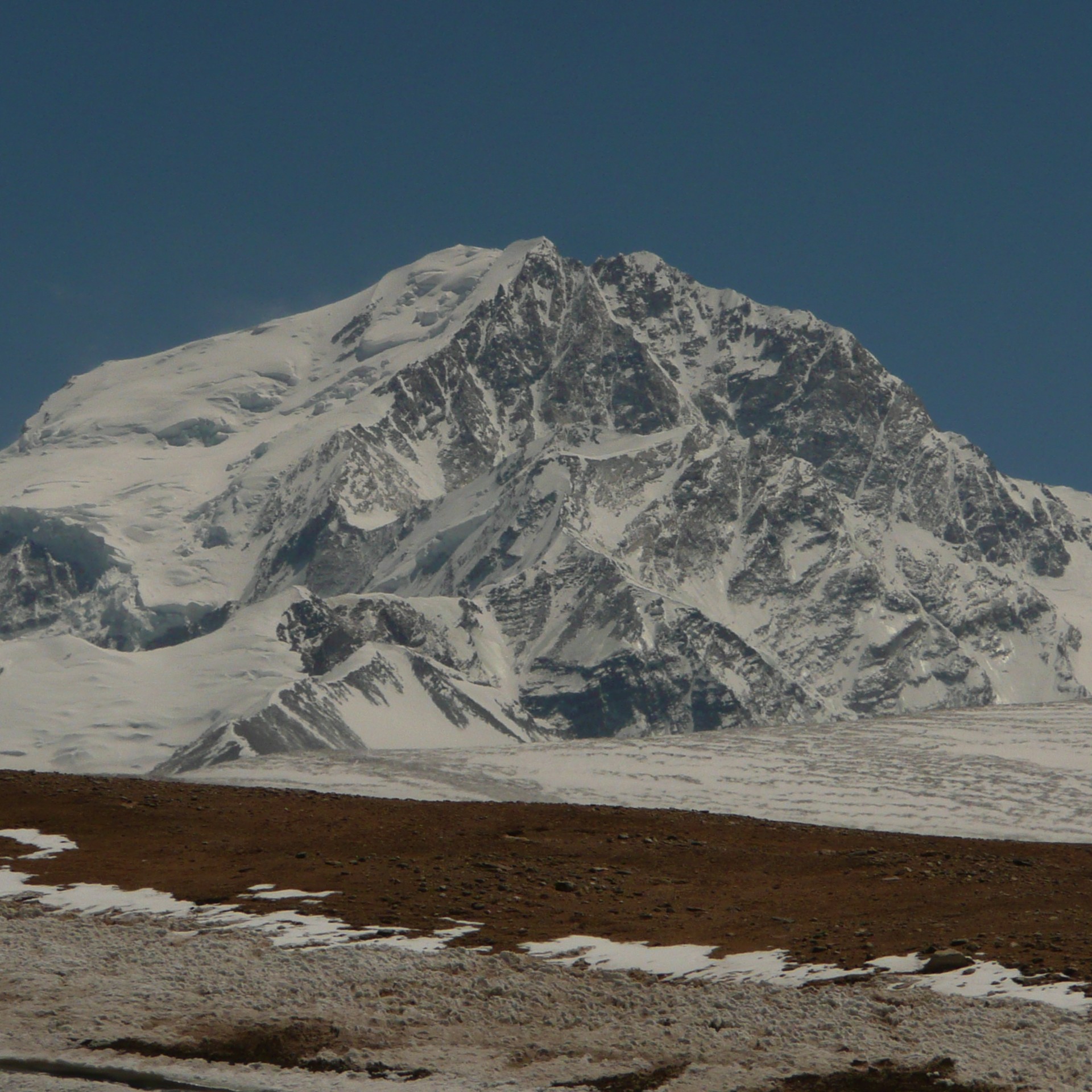

Shisha Pangma, at 8,027 m (26,335 ft) above sea level, known in Tibet as “the God of the grasslands”, is the lowest peak among the fourteen 8,000 m peaks.
China
Mt. Shisha Pangma
33 days
NE / NW (INAKI)
14
28°21'09"N 85°46'45"E
Live weather report
Jugal Himal
Shisha Pangma, The world’s fourteenth highest peak lies just north of Kathmandu, on the Tibetan side of the Himalayas. The peak is characterized by its long, steep, and rugged south face, which rises to over 2,000 meters, making it a formidable sight for any aspiring climber. The peak’s Indo-Nepali name is Gosaitan, meaning “The Sacred Place.” The mountain’s Tibetan name is Xixapangma, which translates as “The Mountain that Dominates the Grassy Plains.”
Shisha Pangma was the last of the eight-thousanders to be climbed. The first ascent is attributed to Hsu Ching and his ten-man Chinese team in 1964. The team consisted of Chang Chun-yen, Wang Fu-zhou, Chen San, Cheng Tien-Liang, Wu Tsung-Yue, Sodnam Doji, Migmar Trashi, Doji, and Yonten. Shisha Pangma was finally opened to foreign teams in 1980. The first ascent after the opening of Shisha Pangma was made by a German expedition via the north route.
The Seven Summit Treks Shisha Pangma expedition will begin the first week of April, departing from Kathmandu and continuing to Timure after obtaining a visa for China. The elevation gain from base camp to the summit is almost 3,000 meters, where we will establish three camps to facilitate the ascent and acclimatization. We will rotate frequently between camps for optimal acclimatization.
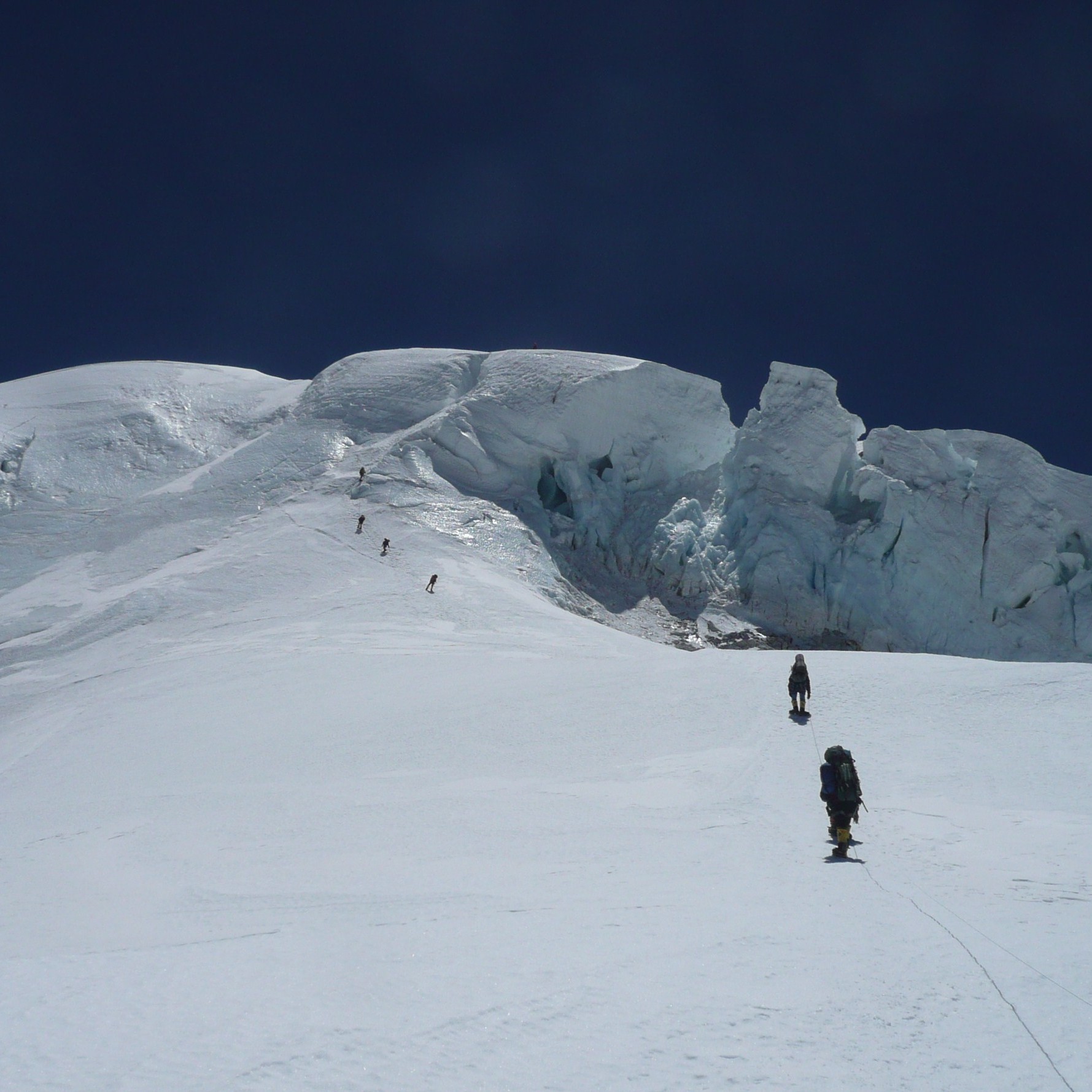
The base camp is normally established at (5,220 m/17,126 ft), Camp I at (6,400 m/20,997 ft), Camp II at (6,800 m/22,310 ft), Camp III at (7,450 m/24,442 ft) and the summit at (8,027 m/26,335 ft).
“We look forward to serving you and sharing our experience with you.”
According to the itinerary, you will arrive at the Chinese base camp of Shisha Pangma, in Tibet, after a 5-day overland journey from Kathmandu. You will have acclimatization and rest days at Old Tingri. You will have 2 days of acclimatization at Base Camp and an additional trek to Advanced Base Camp (5400 m). A puja ceremony for good fortune will be performed before heading to the higher camps. Seven Summit Treks will provide you with the best base camp, equipped with a spacious dining hall, kitchen, bathrooms, communication facilities, and a tent.
Mount Shisha Pangma is climbed via the north ridge and is considered the easiest route. The Shisha Pangma base camp is located on the beautiful Tibetan Plateau, offering magnificent views of the Himalayas. Climbers will ascend to base camp two or three times to acclimatize.
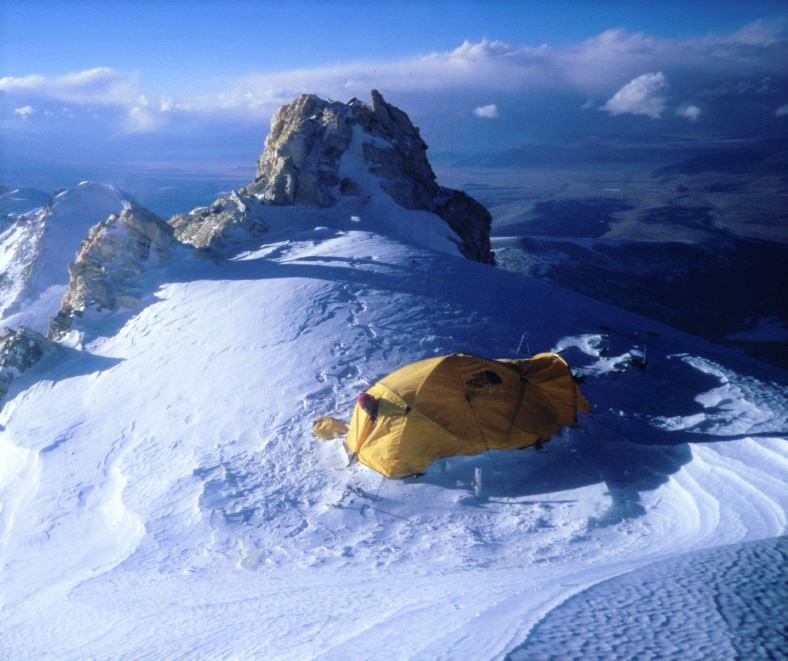
Camp I is located at an altitude of 6400 m and is a flat snowfield with ample space for camping. The trek from base camp to Camp I takes approximately 6 hours. The first step is to hike across a flat snowfield to reach the crampon zone and then cross the glacier. The camp is an ideal spot to enjoy magnificent sunrises and sunsets. The fixed rope begins at Camp I.
Camp II is located at approximately 7100 m. The traverse between Camp I and Camp II takes 3 to 4 hours, and it is safe to cross some crevasses. Once the climbing Sherpa has fixed the rope, the climber must follow the same route for safety.
Camp III is located at an altitude of 7500 m. From Camp II to III, a strenuous 3 to 4-hour climb is required. You will sleep at Camp III twice during the expedition. During the ascent to the Summit Col, you will sleep in two tents, and after resting at Camp III, you will head for the summit another early morning. Fixing ropes to reach the summit is the main task of our climbing sherpa, so we greatly admire his ability to fix ropes, open trails, and do everything possible to ensure the group reaches the top of Mount Shisha Pangma.
With the best weather forecast, once we leave Camp III for the summit, it will take us between 6 and 9 hours to climb. It is a long, challenging, and adventurous trek, so most climbers begin their ascent to the summit at dusk and reach it early the next morning, between 7 and 10 a.m. We will reach the main summit of Mount Shisha Pangma. The view from the top is breathtaking. From the summit of Shisha Pangma, we’ll have a magnificent view of Mount Everest, Mount Cho Oyu, and many other 8,000- and 7,000-meter peaks. We’ll return to Camp II the same day after summiting Shisha Pangma. The descent will take several hours.
8,027m / 26,335ft
4 - 6 hours
Hotel + Lodge + Shop
Spring/Autumn
2 - 15 PEOPLE
1st Rotation: Base Camp – Camp I, touch Camp II, sleep at Camp I and descend.
2nd Rotation: Base Camp – Camp I, Camp I to Camp II, sleep at Camp II and descend to Base Camp.
Airfare to and from Kathmandu.
Multiple-entry visa fee ($125 USD for 90 days).
Lunches and dinners during the stay in Kathmandu.
Additional stay in Kathmandu due to early arrival, late departure, or early return from the mountain.
Medical coverage, high-altitude rescue, air evacuation, and repatriation (Mandatory copy required before arrival).
Technical clothing, personal hygiene items, private medical kit, and personal climbing gear.
Fees for professional filming, movie cameras, or drone usage.
Personal Sherpa summit bonus: Minimum $1,800 USD.
Minimum contribution: $100 Porter/Yak, $100 Guide, $400 Base Camp Staff.
Any service not mentioned in the itinerary or trip extensions for personal reasons.